Push button door locks have become a go-to choice for homeowners, landlords, and small businesses looking for convenient, key-free access. No more fumbling with keys, no more “lost key” emergencies—just enter a code and you’re in.
But while they’re incredibly practical, one important question remains:
Are push button door locks actually secure?
Let’s walk through what makes them safe, what their weaknesses are, and how you can get the most out of them.
Recommended Product

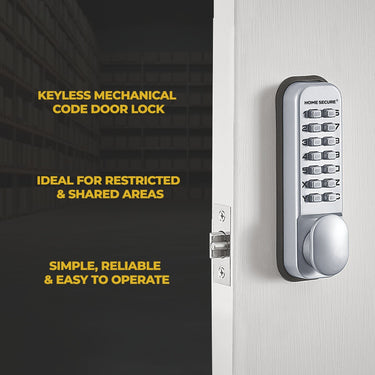
You can check it out here if you're curious: Home Secure™ Digital Push Button Lock
What Exactly Are Push Button Door Locks?
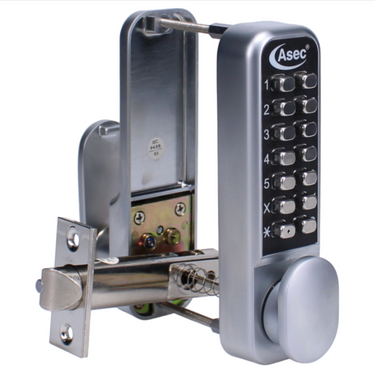
At their core, push button door locks replace your traditional key with a numeric code. Depending on the model, that keypad might be mechanical (no batteries) or electronic (powered by batteries or smart features).
Mechanical Push Button Locks
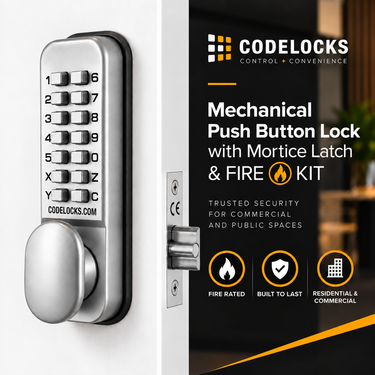
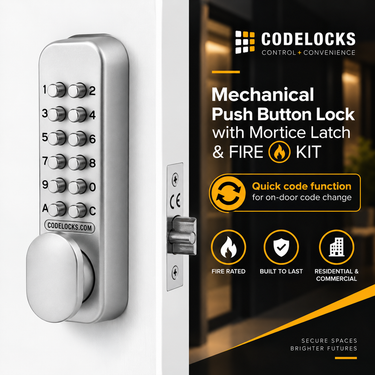
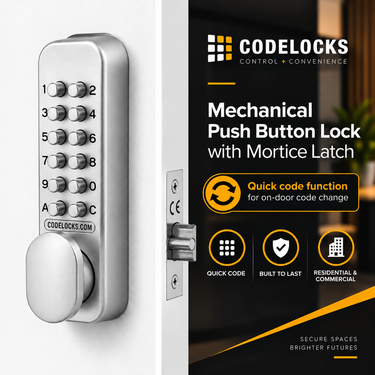
These are simple and sturdy. No wiring, no power, very weather-resistant.
However, with heavy use, certain buttons may show more wear than others—which can make it easier for someone to guess the code.
Electronic Push Button Locks
These offer more flexibility:
-
Changeable or temporary PINs
-
Audit trails
-
Smart home integration
-
Backlit, sometimes randomised keypads
They require batteries, of course, but they typically give plenty of warning when power runs low.
Check Out a Popular Keypad Lock

Here’s the product link again if you want to see the specs: Home Secure™ Digital Push Button Lock
So… Are Push Button Locks Secure?
In most cases, yes—they’re secure enough for typical home and commercial use. Like any security device, though, their effectiveness depends on:
-
The quality of the lock
-
How well it’s installed
-
How well you manage your access codes
-
The material strength of the door frame
Even the best keypad lock won’t help if it’s mounted on a flimsy hollow-core door with tiny screws.
Where Push Button Locks Have Weaknesses
1. Code Guessing
Mechanical buttons may show fingerprints or wear. Someone determined enough might use that to narrow down possible combinations.
2. Shoulder Surfing
If someone watches you enter your code—even from across the street with a camera—they can come back later and use it.
3. Physical Tampering
Cheaper models usually have cheaper materials. Weak screws, exposed mounting points, or loose housings can make forced entry easier.
4. Digital Exploits (For Smart Models)
This is rare for reputable brands, but cheaper electronics with weak encryption can be vulnerable.
5. Battery Failures
Some locks fail locked when batteries die, others fail unlocked. Most people simply forget to change batteries even when the lock warns them.
Explore This Secure Digital Keypad Lock

Click to View the Lock:Home Secure™ Digital Push Button Lock
Best Practices for Enhancing Push Button Lock Security
Choose Trusted Brands
Look for high-quality construction and reinforced metal housings.
Change Default Factory Codes
Default codes are easily found in manuals and online—change them immediately.
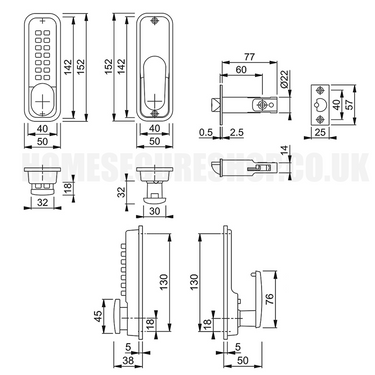
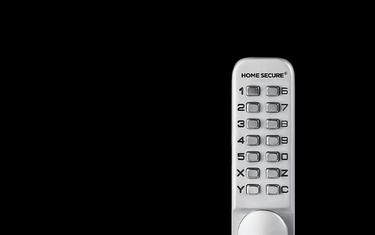
On the Home Secure™ keypad lock, the code is set by small pins inside the keypad. Our keypad lock fitting instructions show how to change it step by step.
Use the Longest Code Your Lock Allows
Avoid predictable patterns like 1234, 1111, or birth years. On the Home Secure™ keypad lock, a code can be 4 to 6 buttons long and can include the letters X, Y and Z, so use all 6.
Use Randomised Keypads Where Available
Some digital locks randomise button positions to prevent smudge attacks.
Rotate Codes Regularly
Every 3–6 months, or after tenants/visitors no longer need access.
Reinforce the Door
A strong lock means little if the door frame is weak. Upgrade:
-
Strike plates
-
Screws
-
Door material
Keep Backup Entry Options
Carry a spare key, maintain a 9V emergency power option, or use remote app unlocking.
Are Push Button Door Locks Secure?
Yes—push button locks are secure enough for most homes and businesses when paired with proper installation and code hygiene. Electronic versions offer better security against wear-pattern attacks, while mechanical models shine in reliability.
However, your lock is only as secure as:
-
The quality of the model
-
The strength of the door hardware
-
The way you manage and protect your access code
With the right setup, push button locks provide a safe, convenient, and modern access solution.