Window Restrictors – Child Safety Restrictors for uPVC Windows
A window restrictor limits how far a window opens, typically to around 100mm. That's enough for fresh air, but not enough for a child to fall through or for someone to climb in. Most restrictors fit in minutes with a screwdriver.
Which window restrictor do I need?
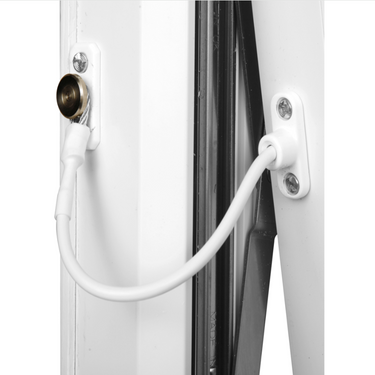
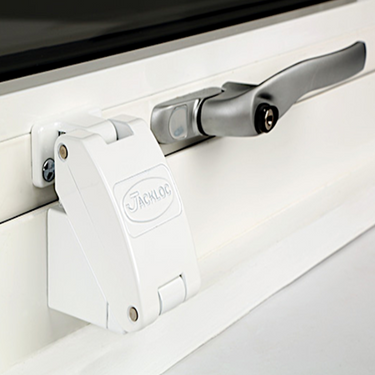
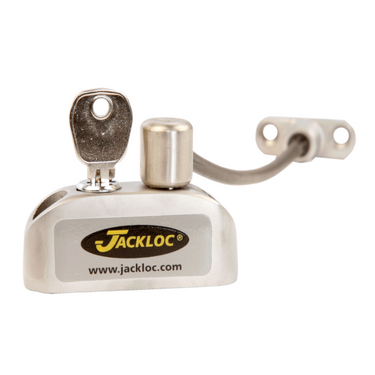
Cable restrictors: a steel cable between the opening sash and the frame, with a lock so children can't release it. The cable restrictor with hidden handle bracket fits behind your existing window handle. The locking cable restrictor is child-resistant to BS EN 16281:2013.
Restricted window hinges: replace the friction stays with restricted ones, which open about 10cm and have a release for full opening. See restricted window hinges.
Sliding window restrictor: a self-adhesive lock for sliding windows, no drilling needed.
Restrictors for landlords
Window restrictors may be needed in rented and multi-occupancy properties, especially on upper-floor windows. Check what applies to your property, and whether windows also need to open fully as a fire escape.
A window restrictor limits how far a window can open — typically to around 100mm — preventing falls from height. They're essential where children sleep or play above ground level, and standard practice in rentals, schools and care settings.
Cable restrictors tether the sash to the frame with a strong cable, releasable by key for cleaning. Locking restrictors build the limit into the hinge or a keyed catch. Cables retrofit to almost any window type; hinge-based versions are tidier on new installations.
Where a risk assessment identifies fall risk — upper-floor windows in HMOs, properties with children, care accommodation — restrictors are the accepted control measure and widely required by local licensing. Key-releasable models keep escape routes usable, which matters for fire safety compliance.
Yes — key-operated restrictors release fully so the window opens for cleaning or emergency escape, then re-engage automatically when closed. Never fit a non-releasable restrictor to a designated fire escape window.
Cable and face-fix restrictors fit all three with appropriate screws; concealed and hinge-type restrictors are mainly for uPVC. Check the fixing depth on aluminium — self-tappers need solid section to bite into.