
Most burglaries in the UK don’t involve forced doors, smashed glass, or elaborate planning. In reality, many break-ins happen because a home presents an easy, low-risk opportunity — often through poorly secured doors or overlooked access points.
Understanding which entry points burglars most commonly use allows homeowners to focus security efforts where they actually matter. Below, we outline the most targeted entry points in UK burglaries, explain why they’re vulnerable, and show how they can be secured more effectively.
What Is the Most Common Entry Point in UK Burglaries?
Across UK residential burglaries, doors are the most commonly used point of entry, with front doors and back doors consistently ranking highest. Ground-floor windows and garages follow closely behind.
Importantly, a large proportion of burglaries involve no forced entry at all. Doors or windows were unlocked, locks were outdated, or access was simply too easy to ignore. This is echoed by guidance from the Association of British Insurers, which highlights secure doors and windows as a key factor in protecting homes and possessions.
1. Front Doors: The Primary Target
Despite being highly visible, the front door remains the most common entry point in UK burglaries.
This is rarely because homeowners are careless — it’s usually due to:
-
Older locks that no longer meet current standards
-
Door frames that fail under pressure
-
Doors left unlocked during short absences
-
A lack of visible deterrents
Burglars often start with the simplest test: the handle. If the door opens, entry is immediate and quiet.
How to reduce front door risk:
-
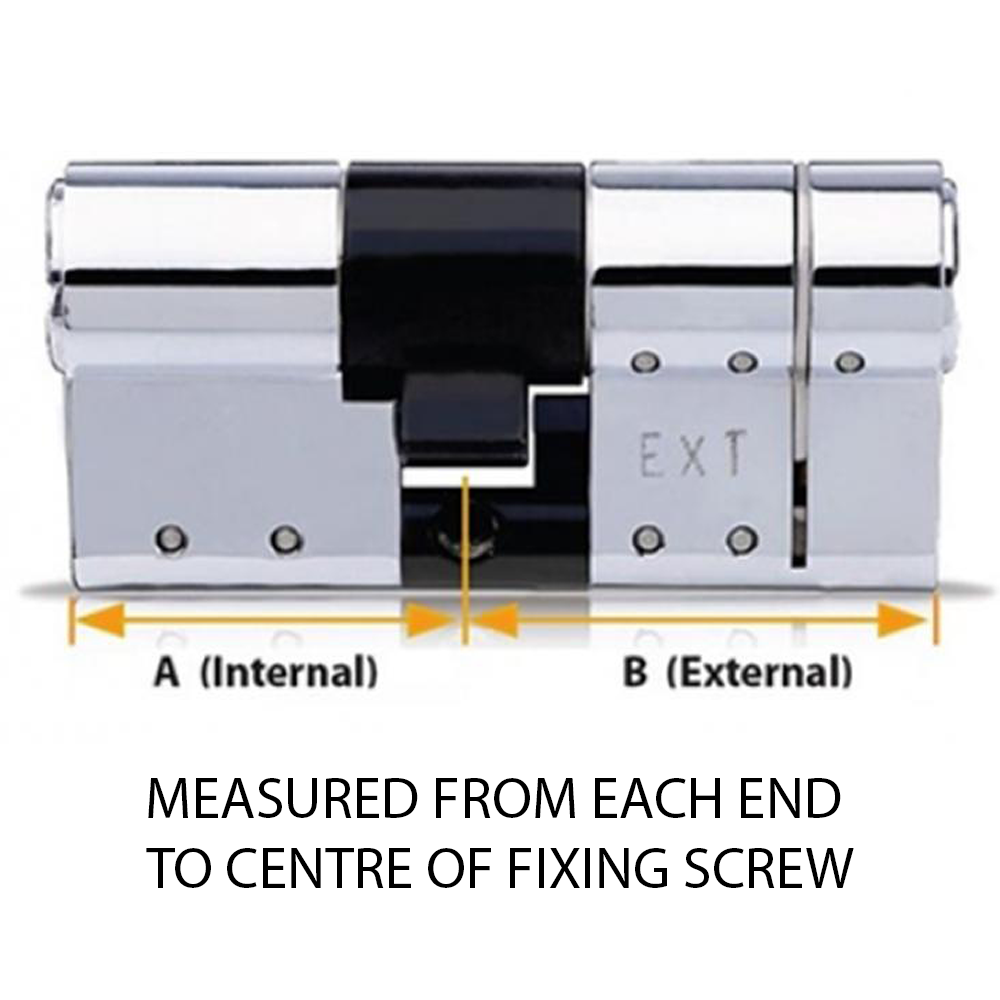
Use a BS 3621-approved lock
-
Ensure the door and frame are solid and properly installed
-
Add visible deterrents such as video doorbells or external cameras
If you want a deeper, step-by-step breakdown of how burglars exploit weak front doors — and how to reinforce them properly — this guide goes into more detail: Burglar Proof Your Front Door.

2. Back Doors and Patio Doors: High Risk, Low Visibility
Back doors are attractive because they’re typically out of sight from neighbours and the street. Patio doors are a particular weak point in many UK homes, especially older installations.
Common vulnerabilities include:
-
Worn or weak locking mechanisms
-
Doors that can be lifted from their tracks
-
Poor or non-existent rear lighting
Once hidden from view, burglars can work with minimal pressure.
How to improve security:
-
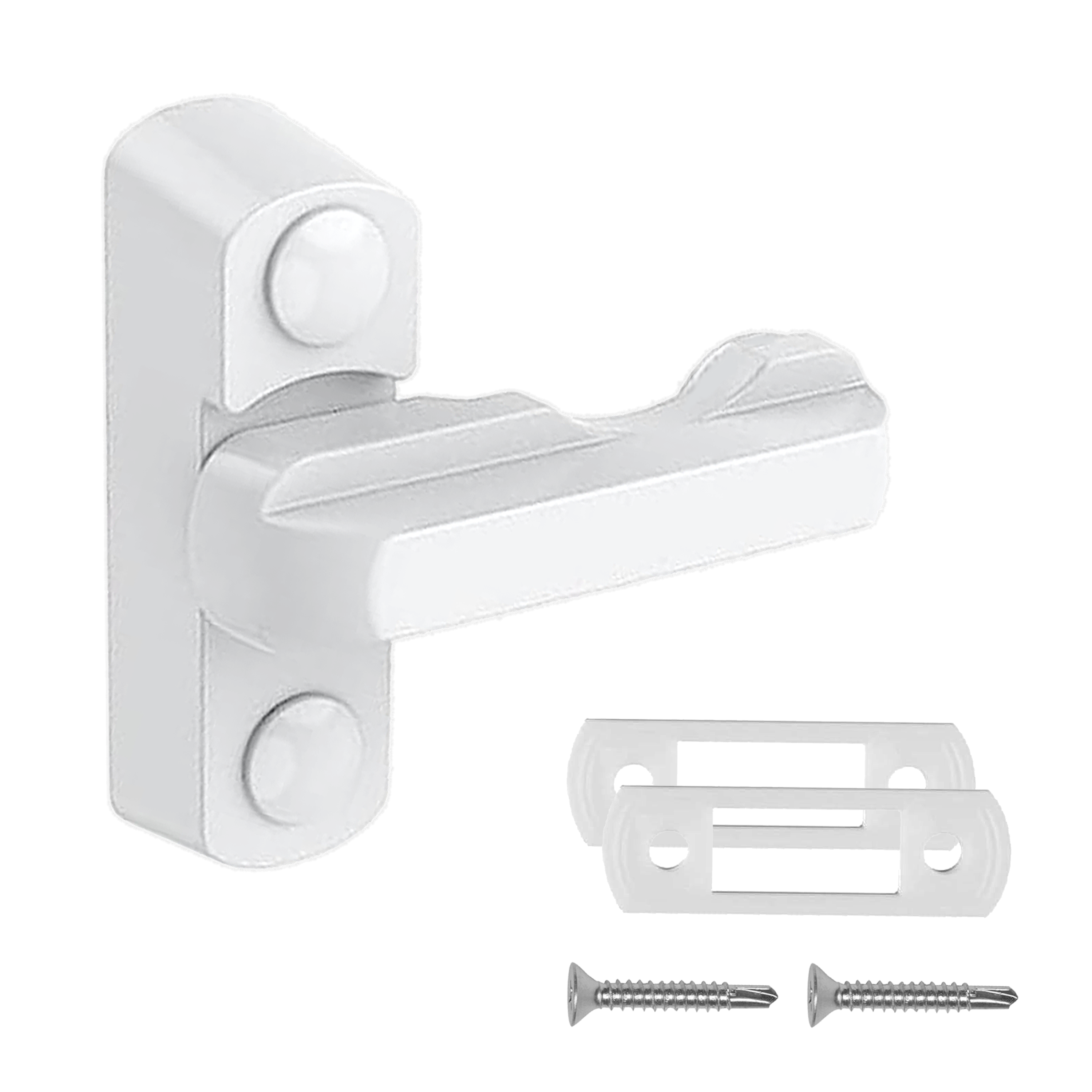
Fit anti-lift devices on patio doors
-
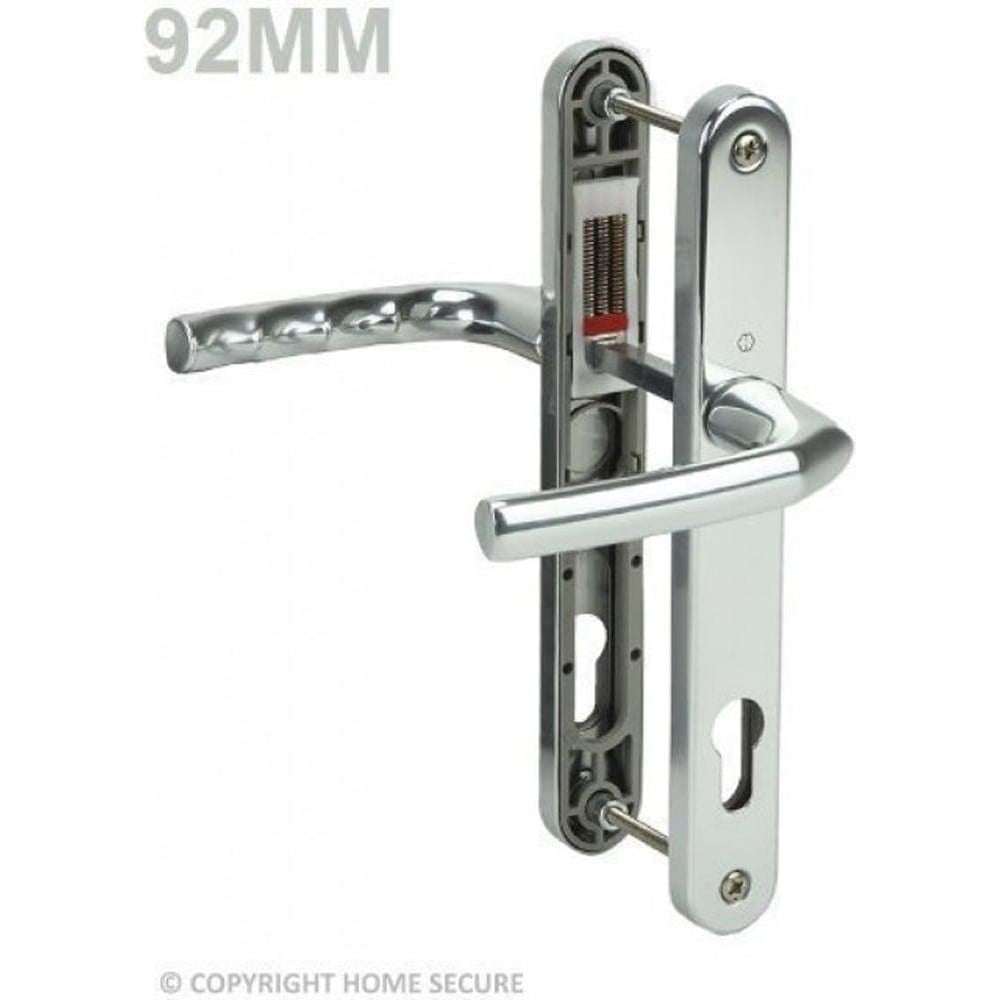
Use modern multi-point locking systems
-
Install motion-activated lighting in rear gardens

3. Ground-Floor Windows: Overlooked Access Points
Ground-floor windows are frequently used in burglaries, particularly those at the side or rear of a property.
They’re often vulnerable because:
-
Windows are left open for ventilation
-
Locks are broken, missing, or never used
-
Fences, hedges, or outbuildings block visibility
Even a small opening can provide enough access.
Window security essentials:
-
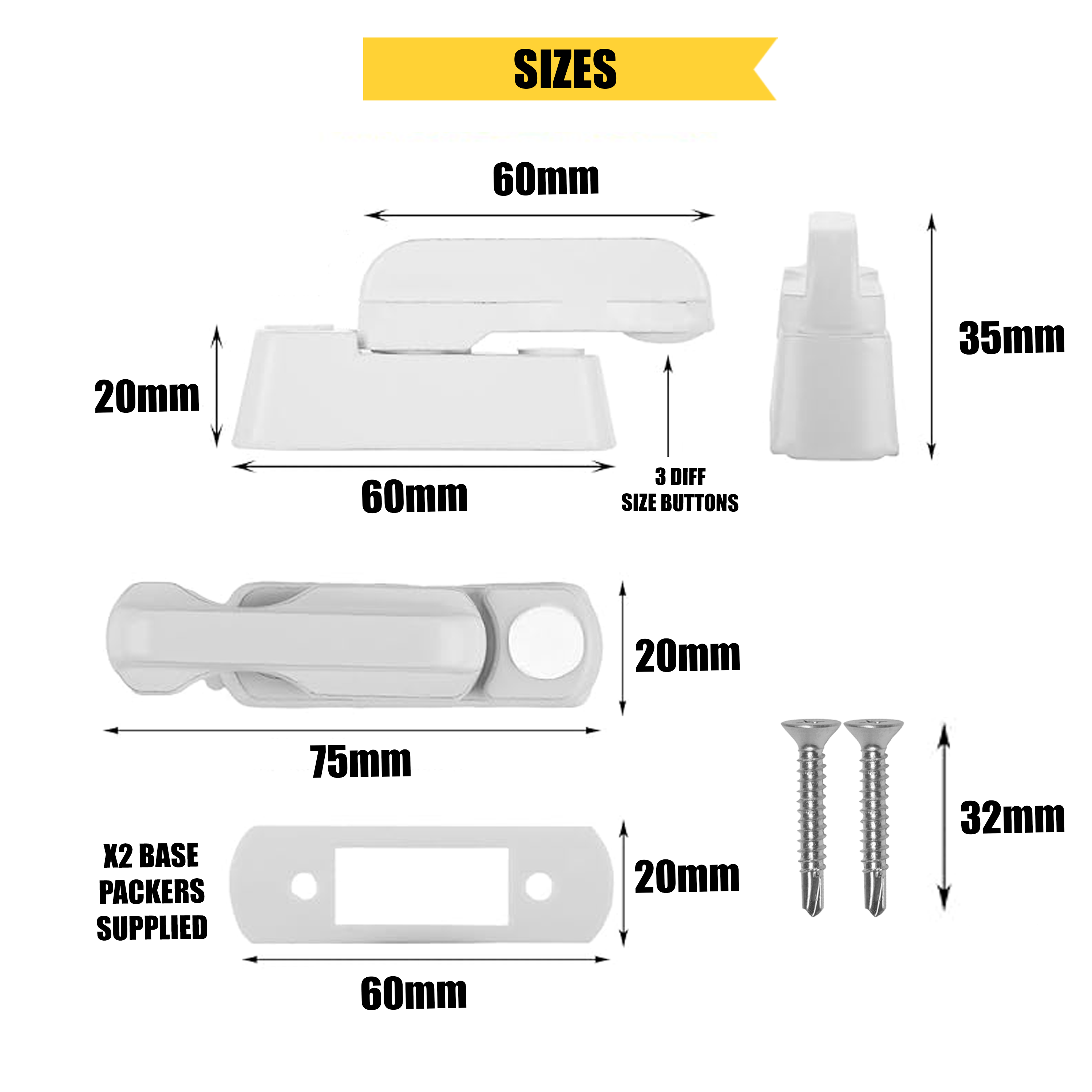
Fit key-operated window locks
-
Avoid leaving windows open when the property is unattended
-
Consider laminated glass in higher-risk areas
4. Garages and Internal Access Doors
Garages are a common weak link — and not just because of the main garage door.
Typical issues include:
-
Up-and-over garage doors that can be forced quietly
-
Tools stored inside that can be used elsewhere
-
Weak internal doors leading directly into the house
Once inside a garage, burglars gain time and privacy.

Garage security best practice:
-
Install additional garage door locks
-
Secure internal access doors with strong deadlocks
-
Keep tools and ladders locked away
5. Side Doors and Utility Entrances
Side doors and utility room entrances are often treated as secondary access points — which is exactly why burglars target them.
They’re commonly:
-
Poorly lit
-
Fitted with cheaper or older locks
-
Used infrequently, so faults go unnoticed
Rule of thumb:
Any door that leads into your home should meet the same security standard as your front door.
6. Opportunistic Entry: When No Force Is Needed
A significant number of UK burglaries involve no damage whatsoever.
Common causes include:
-
Doors left unlocked “just for a moment”
-
Keys left in doors or visible near windows
-
Ladders, bins, or furniture left outside
Burglars actively look for these opportunities because they carry the lowest risk.
Simple habit that reduces risk:
Carry out a quick security check before leaving home or going to bed — lock doors and windows, remove access aids, and keep keys out of sight.
How to Reduce the Risk of Burglary by Securing Common Entry Points
The most common entry points used in UK burglaries are well known — and largely preventable. Front doors, back doors, windows, and garages become risks when security is outdated, inconsistent, or treated as an afterthought.
By strengthening these access points, you don’t just improve physical security — you make your home a far less attractive target. Burglars typically avoid properties that appear well protected and move on to easier options.
Focusing on the most commonly exploited entry points, upgrading weak locks, and maintaining simple security habits can significantly reduce your risk of a break-in.