Indoor air quality is crucial for a healthy home—especially as modern properties become more airtight. Homeowners often compare window vents (trickle vents) with mechanical ventilation systems when deciding how to improve airflow. Understanding the differences will help you choose the best option for reducing condensation, preventing mould, and maintaining good indoor air quality.

What Are Window Vents (Trickle Vents)?
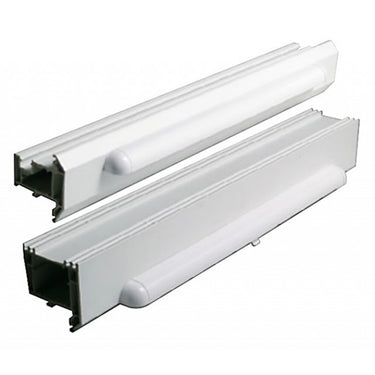
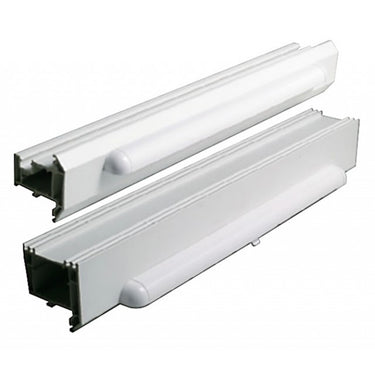
Window vents, or trickle vents, allow a small, controlled amount of air to flow into your home without opening the window. They offer a simple and affordable way to improve airflow.
👉 Shop a range of high-quality window vents here: Window Ventilation | Trickle Vents for uPVC & Timber
Benefits of Window Vents
-
Cost-effective and easy to install
-
Suitable for both modern and older windows
-
Passive ventilation—no electricity needed
-
Helps reduce condensation in lightly affected homes
Limitations of Window Vents
-
Inconsistent airflow depending on weather
-
Not powerful enough for severe damp or mould problems
-
May allow outside noise or cold air to enter

What Is Mechanical Ventilation?
Mechanical ventilation uses powered fans to extract stale air and, in some systems, replace it with fresh filtered air. Common systems include MEV, dMEV, and MVHR.
Advantages of Mechanical Ventilation
-
Provides consistent and controlled airflow
-
Significantly reduces moisture, damp, and mould
-
MVHR systems recover heat, improving energy efficiency
-
Filters out dust, pollen, and pollutants
-
Quiet modern designs suitable for everyday use
Drawbacks
-
Higher cost than window vents
-
Requires electricity and periodic maintenance
-
Installation can be more complex

Window Vents vs Mechanical Ventilation: How They Compare
| Feature | Window Vents | Mechanical Ventilation |
|---|---|---|
| Cost | Low | Medium–High |
| Airflow Control | Passive | Active & Precise |
| Moisture Control | Basic | Excellent |
| Energy Efficiency | Moderate | High (MVHR) |
| Noise Reduction | Low | Good |
| Maintenance | Minimal | Moderate |
If you're considering upgrading your existing vents, you can browse a full range of window ventilation products here:
👉 Window Ventilation | Trickle Vents for uPVC & Timber
Expert Insight on Ventilation and Damp Prevention
Proper ventilation is one of the most effective ways to combat condensation, damp, and mould, but it often works best alongside broader moisture-management strategies. According to damp-proofing specialists such as A1 Damp Proofing Liverpool, homes with persistent moisture issues may require a combination of improved airflow, structural checks, and targeted damp treatments to fully resolve underlying problems. Learn more about professional damp prevention methods here:
➡️ A1 Damp Proofing Liverpool
Which One Should You Use?
Choose Window Vents if:
-
You only need basic background ventilation
-
You're on a budget
-
Your home experiences mild condensation
-
You prefer a no-maintenance solution
Choose Mechanical Ventilation if:
-
You have persistent condensation, damp, or mould
-
Your property is newly built or highly insulated
-
Someone in your home suffers from allergies or asthma
-
You want long-term energy efficiency
Can You Combine Both?
Absolutely. Many homeowners use mechanical extract fans in bathrooms and kitchens while installing window vents for background ventilation. This hybrid approach offers a balance of cost and performance.
If you’d like to install high-quality trickle vents in your windows, explore the available options here:
👉 Window Ventilation | Trickle Vents for uPVC & Timber
Mechanical Ventilation Offers Superior Performance
Window vents are affordable and simple, making them ideal for properties with mild ventilation needs. Mechanical ventilation, however, offers superior moisture control, consistency, and indoor air quality—especially in modern, airtight homes.
For most homeowners looking for energy-efficient, reliable airflow, mechanical ventilation wins—but adding window vents can still be a valuable supplement.
Check out the featured products from this article below 👇