Home security in the UK has changed fast. Burglars are using more sophisticated methods, insurers are tightening requirements, and cheap door locks simply aren’t keeping up. If you’re upgrading your home security in 2026, choosing the right high security door lock is no longer optional — it’s essential.
This guide breaks down which door locks actually protect UK homes, what standards matter, and how to choose a lock that delivers real security rather than marketing claims.
What Makes a Door Lock “High Security” in the UK?
Not all locks marketed as “secure” offer meaningful protection. In the UK, high-security door locks typically share three critical characteristics.
![]()
1. Recognized British & Insurance Standards
Look for locks that meet or exceed:
-
TS007 (3-Star Rating)
-
Sold Secure Diamond or Gold
-
BS EN 1303
Independent testing bodies such as Sold Secure assess locks against real-world attack methods commonly used in UK burglaries, including snapping, drilling, picking, and pulling.
Locks that meet these standards are far more likely to satisfy insurer requirements and provide meaningful resistance during an attempted break-in.
2. Anti-Snap & Anti-Drill Protection
Lock snapping remains the number-one method used in domestic burglaries across the UK. A genuinely secure door lock should include:
-
Sacrificial snap points
-
Hardened steel bars or pins
-
Reinforced cam systems
If a lock doesn’t clearly state anti-snap protection, it’s not suitable for external doors.
3. Compatibility with Modern UK Doors
Most homes now use:
-
uPVC doors
-
Composite doors
-
Modern engineered timber doors
High-security locks are designed to integrate with these systems without weakening the door or frame.
The Most Secure Types of Door Locks for UK Homes
Euro Cylinder Locks (High-Security Grade)
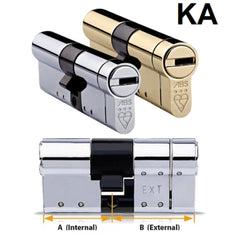
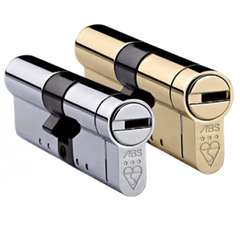
Euro cylinders form the core of modern door security across the UK. When upgraded to certified high-security euro cylinders, doors gain strong resistance to snapping, drilling, picking, and bumping.
Best suited for:
-
uPVC and composite doors
-
Front and rear entrances
-
Insurance-compliant security upgrades
Avoid low-cost cylinders — performance varies hugely, and poor-quality models are often the first point of failure.
Multi-Point Locking Systems
Multi-point locks secure the door at multiple points along the frame when fully locked, rather than relying on a single latch.
Key benefits:
-
Strong resistance to forced entry
-
Even pressure distribution across the door
-
Often preferred by insurers in higher-risk areas
They perform best when paired with a high-security euro cylinder.
Mortice Locks for Timber Doors
For solid timber doors, BS3621-rated mortice locks remain one of the most reliable security options.
Advantages include:
-
Deep-set locking mechanisms
-
Strong resistance to drilling and brute force
-
Frequently required by insurers for older properties
Are Cheap Door Locks Ever Worth It?
In practice, no — and they often cost more over time.
Low-quality locks are more likely to:
-
Fail under snapping attacks
-
Invalidate insurance claims
-
Wear out prematurely
-
Require full replacement far sooner
![]()
Even a relatively small upgrade — such as replacing a weak cylinder — can dramatically reduce burglary risk, as explained in this guide on a £50 home security upgrade that delivers outsized protection.
Recommended High Security Door Lock Setup for UK Homes
For most households, the most effective setup includes:
-
A TS007 3-Star rated euro cylinder
-
A quality multi-point locking system
-
Anti-snap and anti-drill construction
-
Insurance-approved certification
![]()
This combination provides strong protection against modern burglary methods while meeting insurer expectations.
Security Is About Prevention, Not Price
High-security door locks aren’t about fear — they’re about prevention. The right lock dramatically reduces the risk of break-ins, avoids insurance disputes, and adds lasting value to your home.
If you’re upgrading in 2026, focus on proven, certified secure door lock options designed specifically for UK homes and modern door systems — not generic hardware.
Next, we’ll explain what makes a door lock insurance-approved in the UK and why that detail alone can make or break a claim.