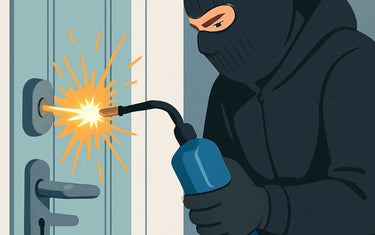
When homeowners think about break-ins, they often picture smashed windows or stealthy intruders sneaking around the back. But most burglaries start in the most obvious place: the front door.
Even with better security awareness and new technology, the front door remains the most common entry point for residential break-ins. This isn’t because burglars are bold — it’s because many front doors remain under-protected and easy to defeat.
Understanding why front doors are targeted and what actually stops burglars is critical for effective home security.
Why Burglars Focus on Front Doors
Most break-ins are opportunistic rather than planned. Intruders want:
-
Fast access
-
Minimal attention
-
A clear escape route
Approaching the front door looks normal to neighbours. Someone testing a handle or ringing the bell rarely raises eyebrows. If entry doesn’t happen quickly, the burglar can walk away without drawing attention.
This ease of access makes the front door the first and most tested point of entry.
Many Break-Ins Require Little or No Force
Not all burglaries involve smashing or heavy tools. In many cases, front doors are compromised because basic security measures are weak or outdated.
UK crime data from the Office for National Statistics (ONS) shows burglary remains a significant issue across England and Wales, particularly where basic security is lacking.
Common security gaps include:
-
Doors left unlocked
-
Worn or outdated locks
-
Weak door frames that fail before the lock
A door can look secure and still be defeated in seconds if its weakest components haven’t been addressed.
Why Front Doors Can Look Secure — But Aren’t
Front doors often prioritise style over strength. Features that add visual appeal — glass panels, decorative hardware, slim timber — can introduce vulnerabilities.
Frequent issues include:
-
Glass near locking points
-
Hollow-core constructions
-
Standard locks without anti-snap protection
These elements don’t look insecure — but they are often the first weaknesses burglars exploit.
Lock Snapping: A Common Hidden Risk

One of the most common break-in techniques in the UK is lock snapping, particularly on uPVC and composite doors using standard euro cylinder locks. Lock snapping lets burglars break the lock quickly with minimal noise or effort.
For a clear breakdown of how lock snapping works and why anti-snap protection matters, see: Why You Should Install a TS007 3-Star Anti-Snap Euro Cylinder Today
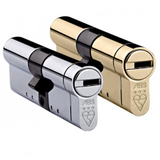
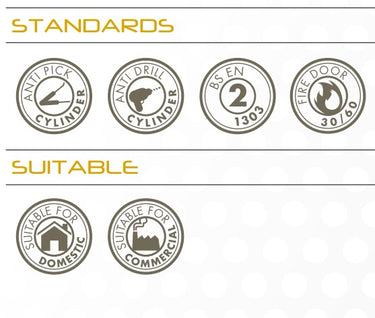
A TS007 3-Star anti-snap cylinder resists snapping, drilling, bumping and picking — the most common methods used for rapid entry. When the lock can’t be defeated quickly, many burglars give up and move on.
The Three Priorities That Actually Secure Your Front Door
Not all security upgrades deliver the same impact. The most effective strategy focuses on this priority order:
1. Upgrade the Lock
High-quality anti-snap locks reduce the most common attack method and should be your first upgrade.
2. Strengthen the Door and Frame Together
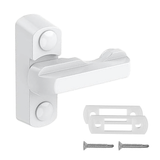
Even the best lock fails if the frame gives way. Reinforce the jamb and use longer strike screws.
3. Add Visible Deterrents
Lighting, cameras, and monitored systems don’t replace physical security, but they increase perceived risk and reduce attempts.
This layered approach makes your front door much harder to exploit.
Technology Supports — But Doesn’t Replace — Physical Security
Video doorbells, smart locks, and alarms are valuable tools, but without a strong core barrier they are not enough.
A smart lock or camera might record an attempt, but a reinforced lock and frame prevents entry in the first place.
Why Front Door Security Deserves Priority
Burglars don’t target front doors because they’re confident — they target them because many remain easy to defeat.
As long as front doors are familiar, accessible, and under-protected, they will continue to be the main entry point for break-ins.
Treating your front door as a security system — not just an entrance — is one of the simplest and most effective ways to protect your home. In most cases the difference between being targeted and being ignored comes down to one question:
Does this door look easy to defeat — or not?