
If you own a high-security lock, proper maintenance is essential to keep it operating smoothly and prevent costly damage. One of the best and most overlooked maintenance products you can use is graphite powder lubricant. This dry, reliable substance is trusted by locksmiths and security professionals worldwide for keeping locks clean, smooth, and long-lasting.
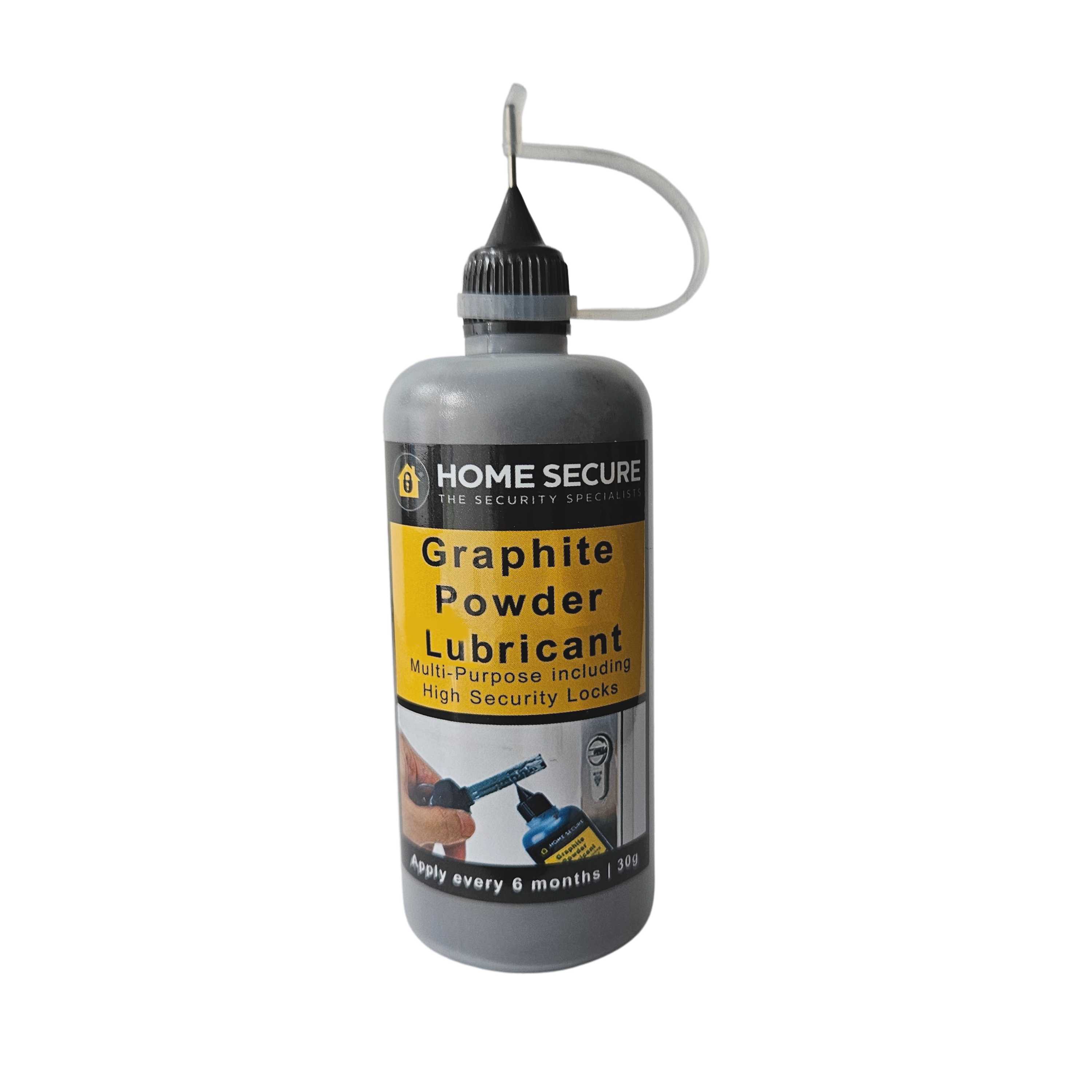
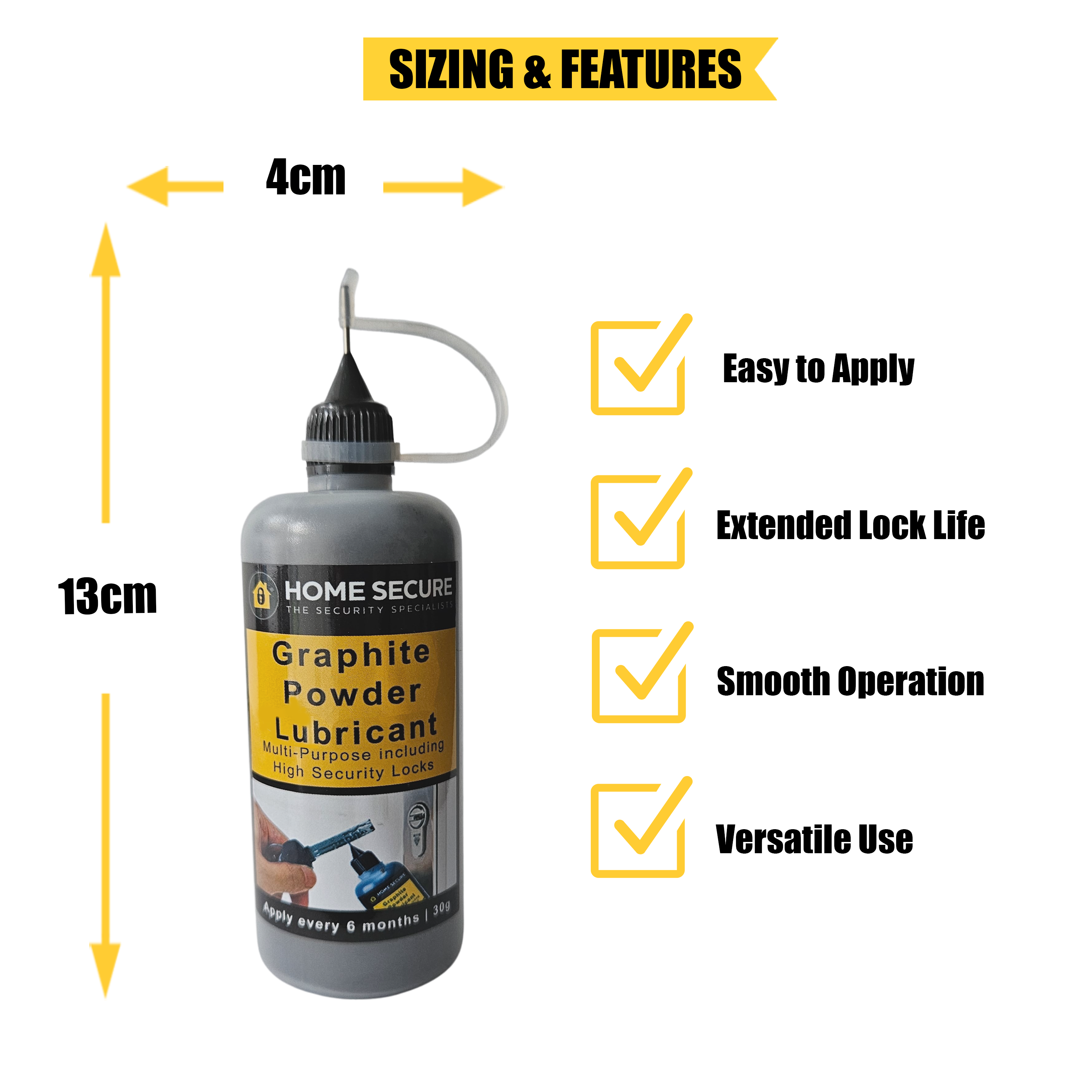
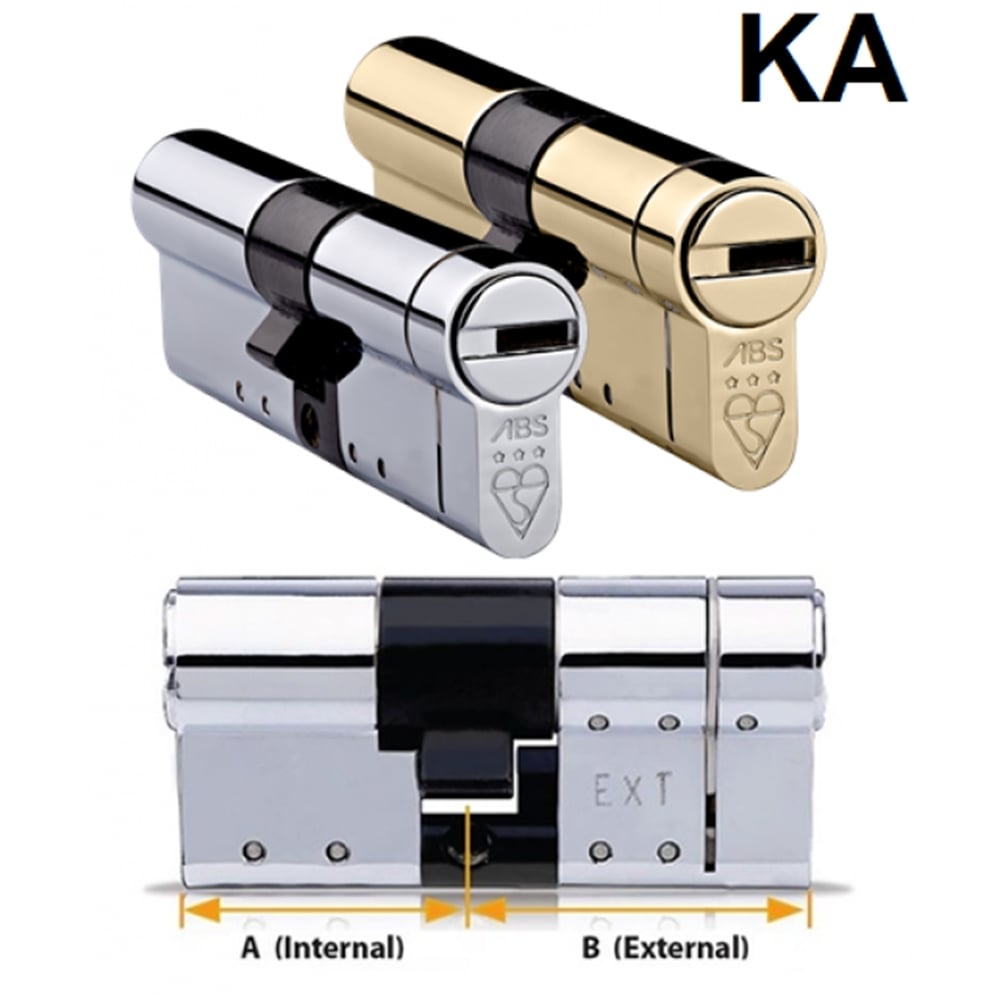
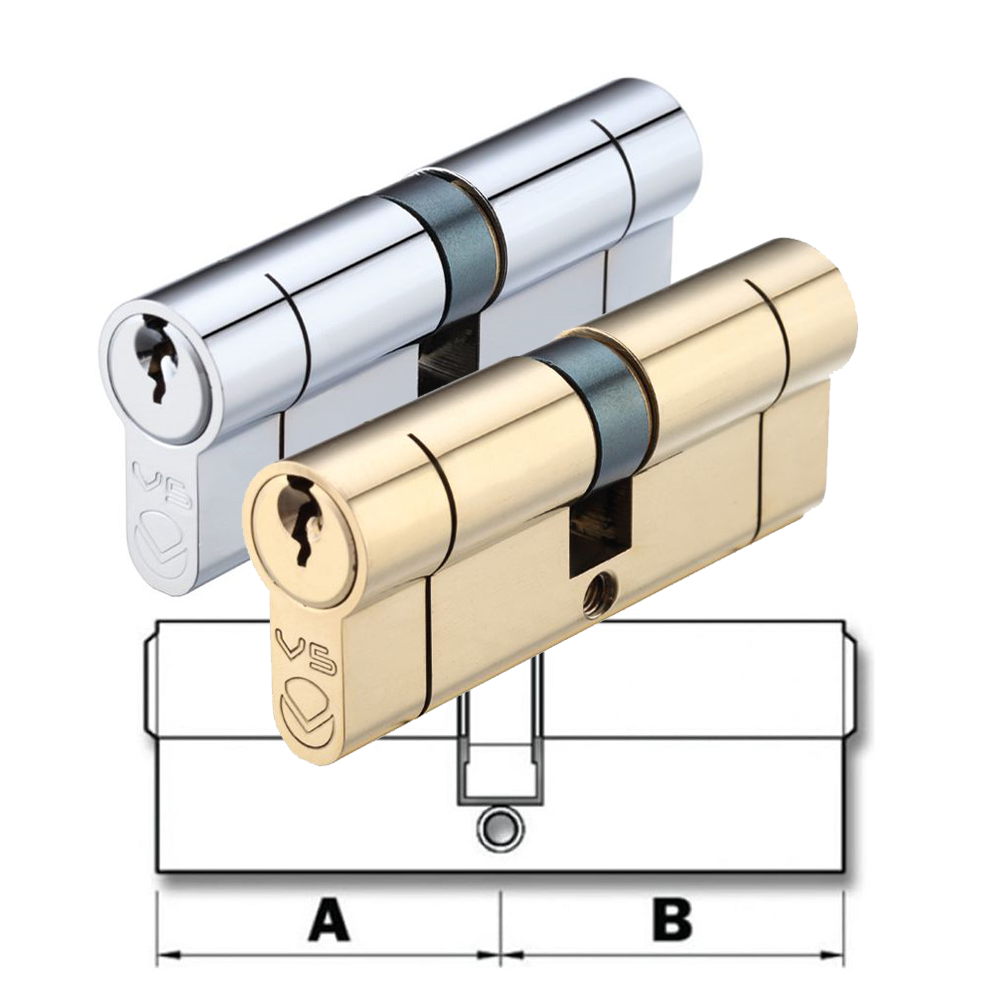
We stock our own Home Secure graphite powder lubricant, designed specifically for high security euro cylinder locks including Avocet ABS and Yale Platinum cylinders.
In this guide, we’ll explore how graphite powder works, why it’s better than liquid lubricants, and how it protects your high-security lock from wear, corrosion, and malfunction.
What Is Graphite Powder Lubricant?
Graphite powder lubricant is a dry, fine carbon-based lubricant that reduces friction between metal components. It’s specifically designed for precision mechanisms like door locks, padlocks, deadbolts, and high-security key systems.

Unlike oil-based lubricants such as WD-40 or silicone spray, graphite powder doesn’t attract dust, dirt, or moisture. Instead, it forms a clean, dry coating that keeps the internal lock components moving freely — even in extreme weather conditions.
👉 Try the Home Secure™ Graphite Powder Lubricant for High-Security Cylinder Locks — designed specifically for maintaining precision lock systems.
Why You Shouldn’t Use Oil or Grease on Locks
Using traditional lubricants might seem like a good idea, but in reality, they can damage high-security locks. Oils and greases:
-
Attract dirt and dust, creating sticky buildup
-
Cause pins and springs to jam inside the cylinder
-
Accelerate wear over time
-
Can void manufacturer warranties

In contrast, graphite lock lubricant provides friction-free protection without the mess, ensuring your keys turn smoothly every time.
For superior results, professionals recommend the Home Secure™ Graphite Powder Lubricant as the best dry lubricant for locks.
How Graphite Powder Protects High-Security Locks
High-security locks like Euro Cylinder Locks systems are engineered with tight tolerances. Even the smallest friction or debris can lead to operational problems. Graphite powder lubricant prevents these issues by:
-
Reducing Friction: The fine graphite particles coat all moving parts, ensuring a smooth, silent operation.
-
Preventing Corrosion: Graphite creates a barrier against humidity and rust — crucial for outdoor locks.
-
Extending Lock Lifespan: Less wear on metal parts means your lock lasts longer and stays reliable.
-
Improving Performance in Any Climate: Graphite remains stable in hot or freezing environments, unlike liquid lubricants that thicken or evaporate.
Why Experts Recommend Graphite for Sticky Locks
Home improvement experts at Today’s Homeowner suggest that when locks begin sticking, powdered graphite often outperforms liquid sprays because it doesn’t leave greasy residue that can trap dust and grit. Their guide on lubricating sticky door locks notes:
“While spray lubricants work well, they leave residue on door knobs, trap dirt inside the lock, and make a greasy mess. A powdered graphite lubricant is better for sticky locks if you don’t use too much at once.” (todayshomeowner.com)
If your key is difficult to turn even after lubricating, the problem may not be the cylinder — the multipoint locking mechanism inside the door could be worn or misaligned.
A faulty gearbox puts extra strain on the cylinder and can make the key feel stiff. Browse our replacement multipoint door lock gearboxes if lubrication alone does not solve the problem.
How to Apply Graphite Powder Lubricant Properly
Applying graphite lubricant is simple and quick. Follow these steps for the best results:
- Remove the cap and gently squeeze the bottle to apply a small amount of powder onto the key.
- Insert the key into the lock, turning it back and forth about ten times to evenly distribute the lubricant.
- For best results, repeat the process every 6 to 12 months. Ideal for high-security locks, but also suitable for padlocks, hinges, and other locking mechanisms.

Repeat this process every 6–12 months, or more often for outdoor locks exposed to dust and moisture.
Pro Tip: A single small bottle of Home Secure™ Graphite Powder Lubricant can last for years — a minimal investment for long-term lock protection.
Final Thoughts: Protecting Your Investment
A high-security lock is a serious investment in safety — but even the best lock can fail without proper care. Using graphite powder lubricant is one of the simplest and most effective ways to maintain your lock’s performance and longevity.
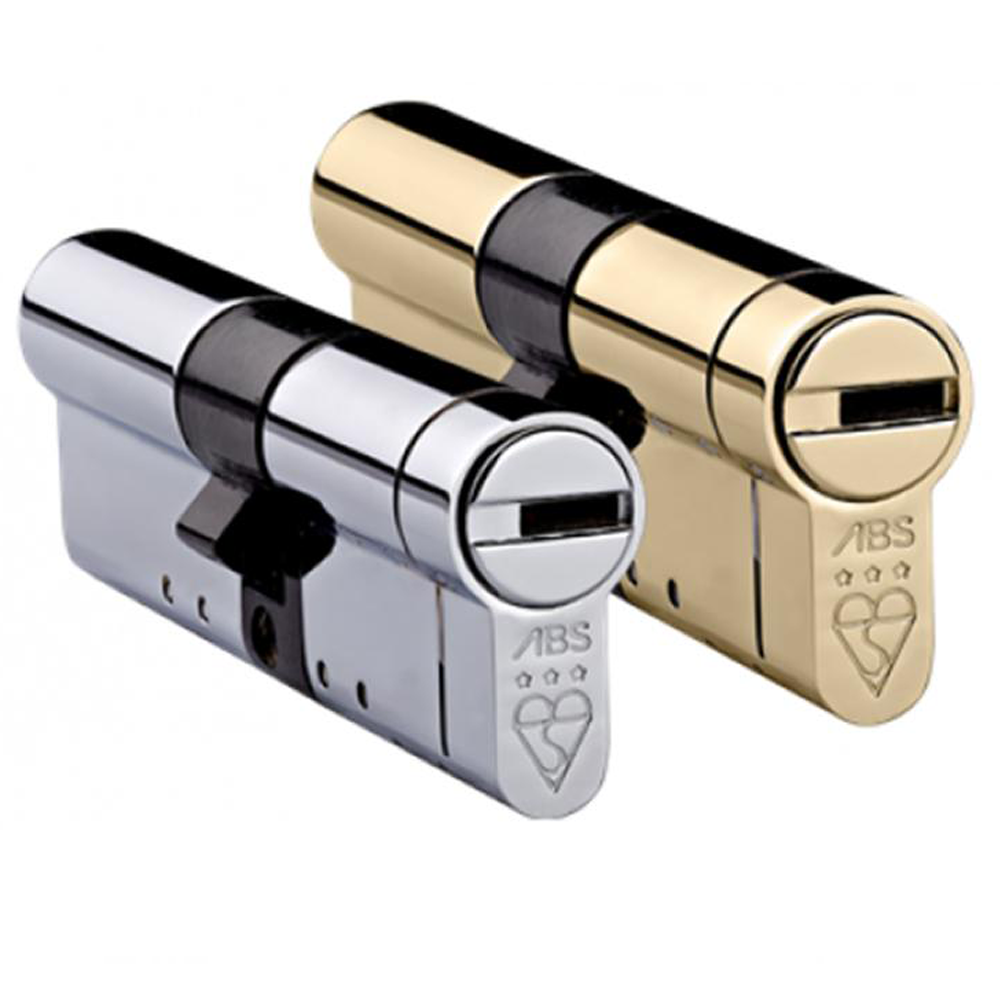
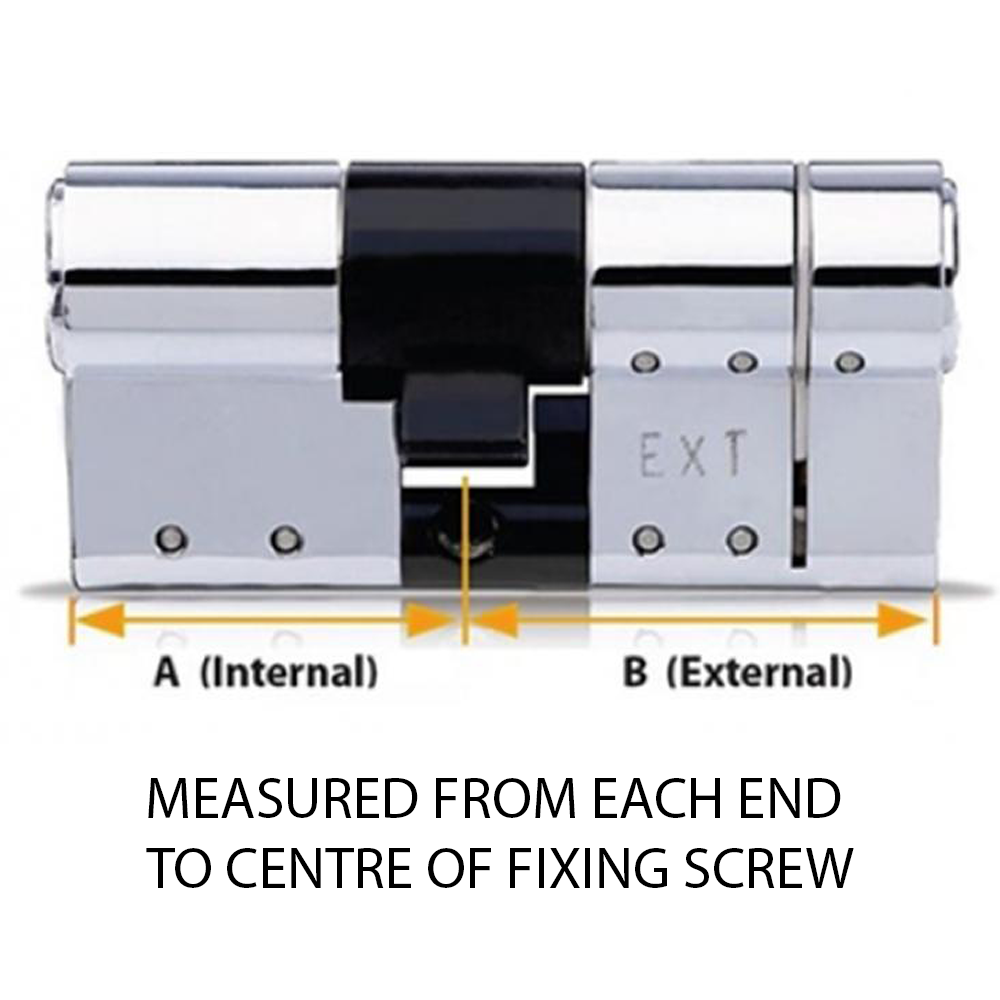
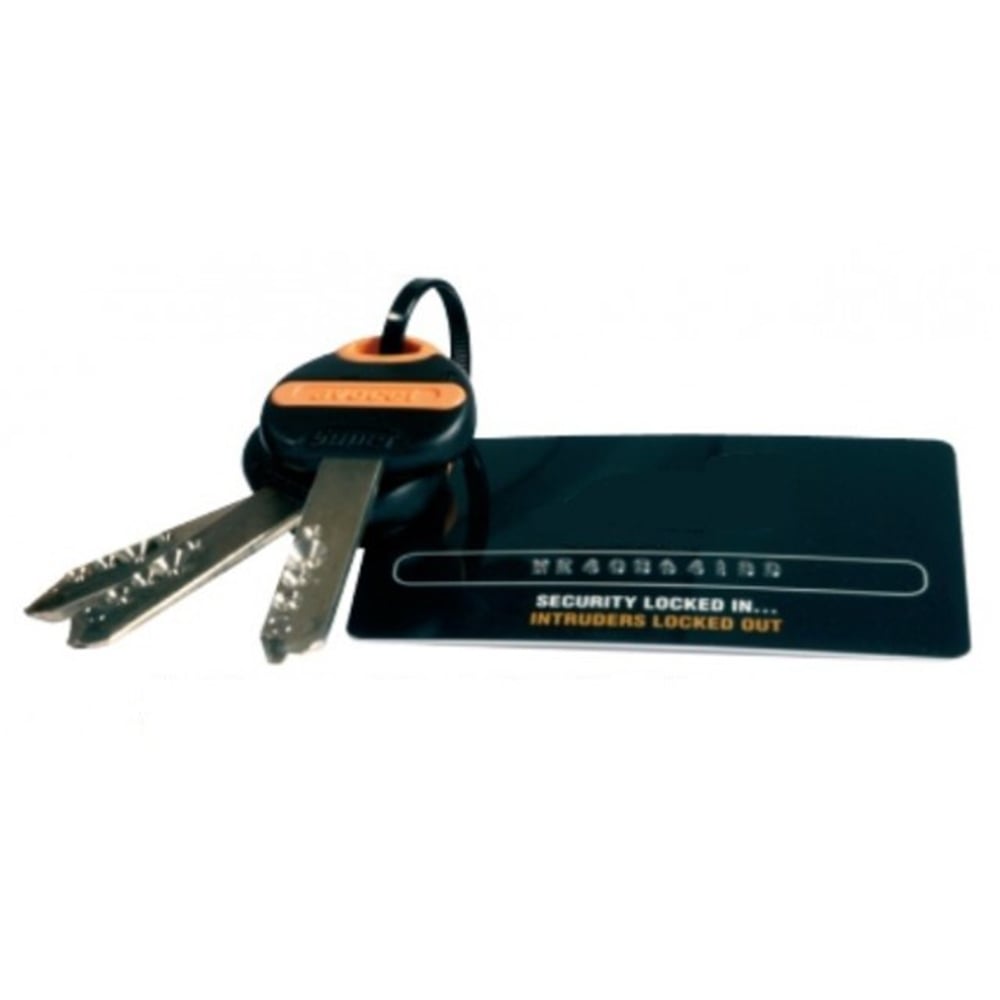
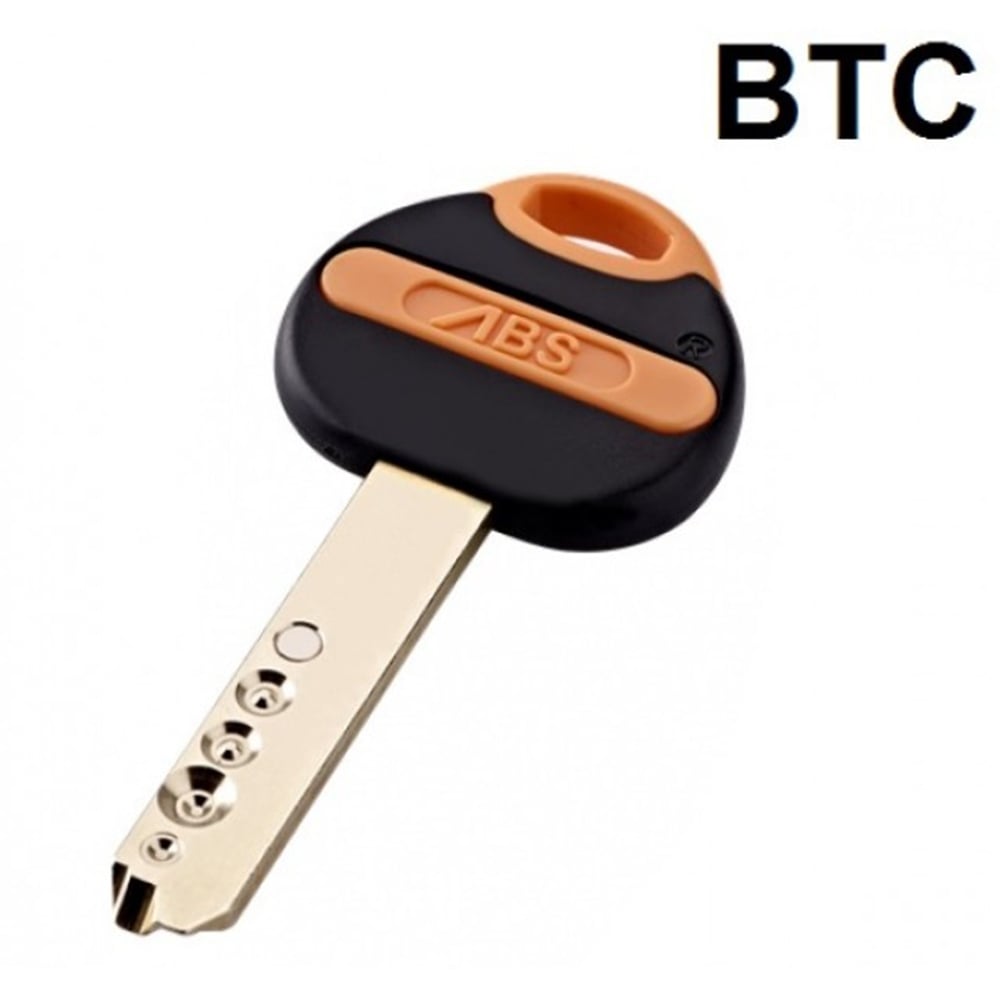
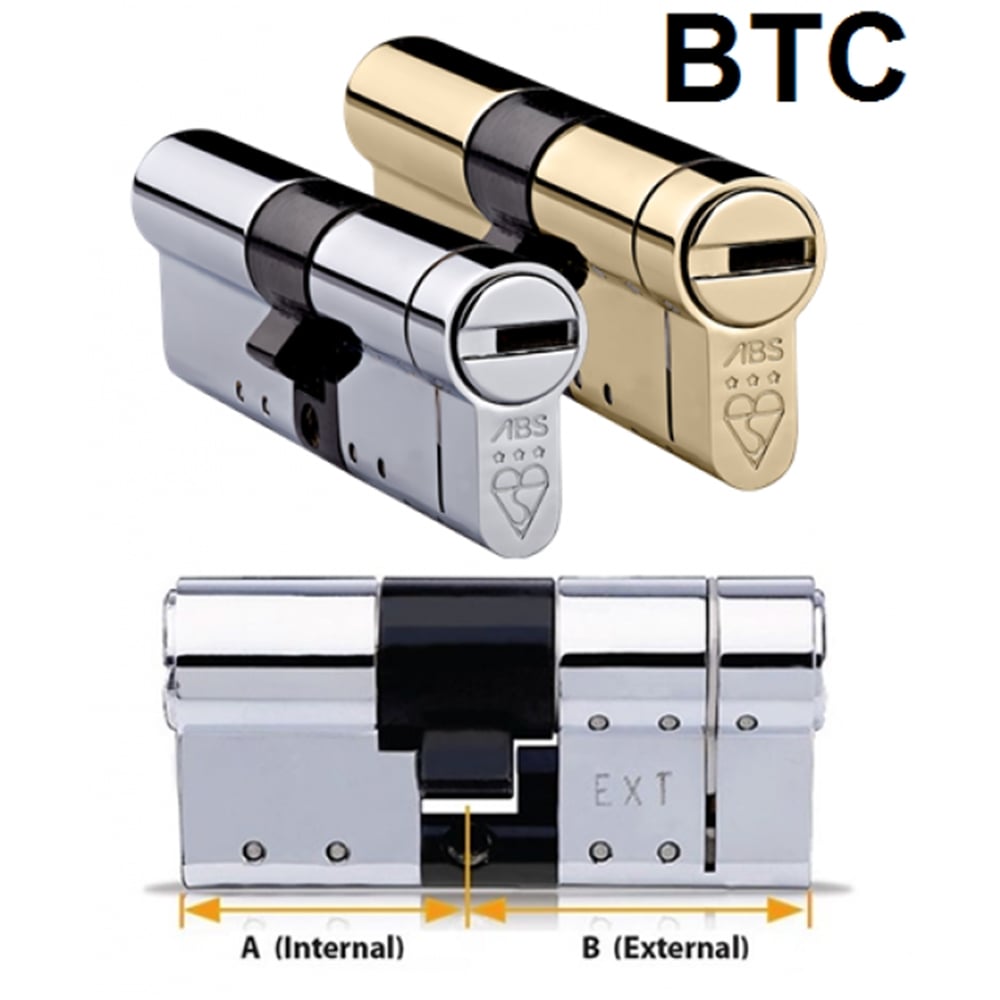
Graphite lubrication is particularly important for high security euro cylinders that use magnetic or dimple key systems, such as the Avocet ABS 3-Star cylinder.
These cylinders have tighter internal tolerances than standard locks, so using the wrong lubricant — like oil or WD-40 — can attract dust and cause the pins to stick. Browse our full range of Avocet ABS euro cylinder locks.
By keeping the internal mechanism clean, dry, and friction-free, graphite ensures that your locks operate perfectly every time — protecting what matters most.
For a complete overview of all the door locks and security products we stock, visit our high security door locks collection.
Check out the featured products from this article below 👇 Including Avocet ABS High Security Euro Cylinder - Anti Snap Lock - TS007 3 Star