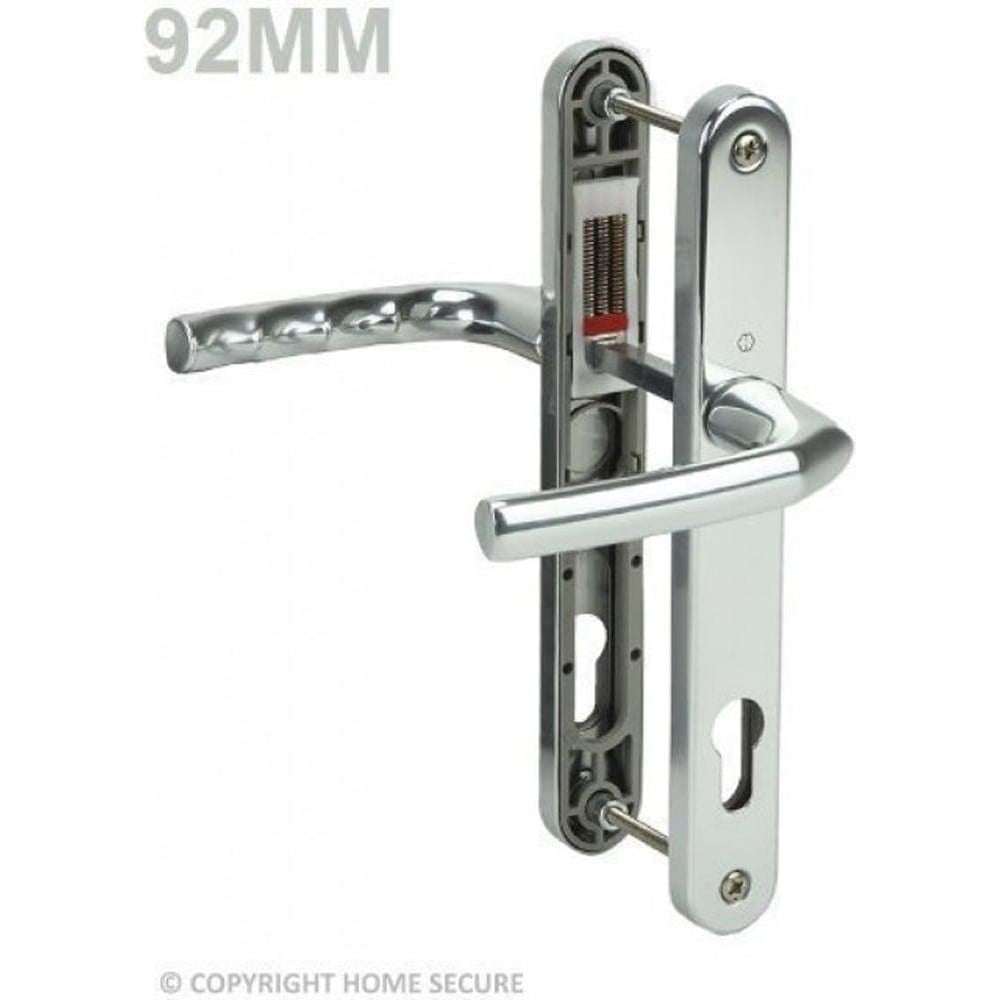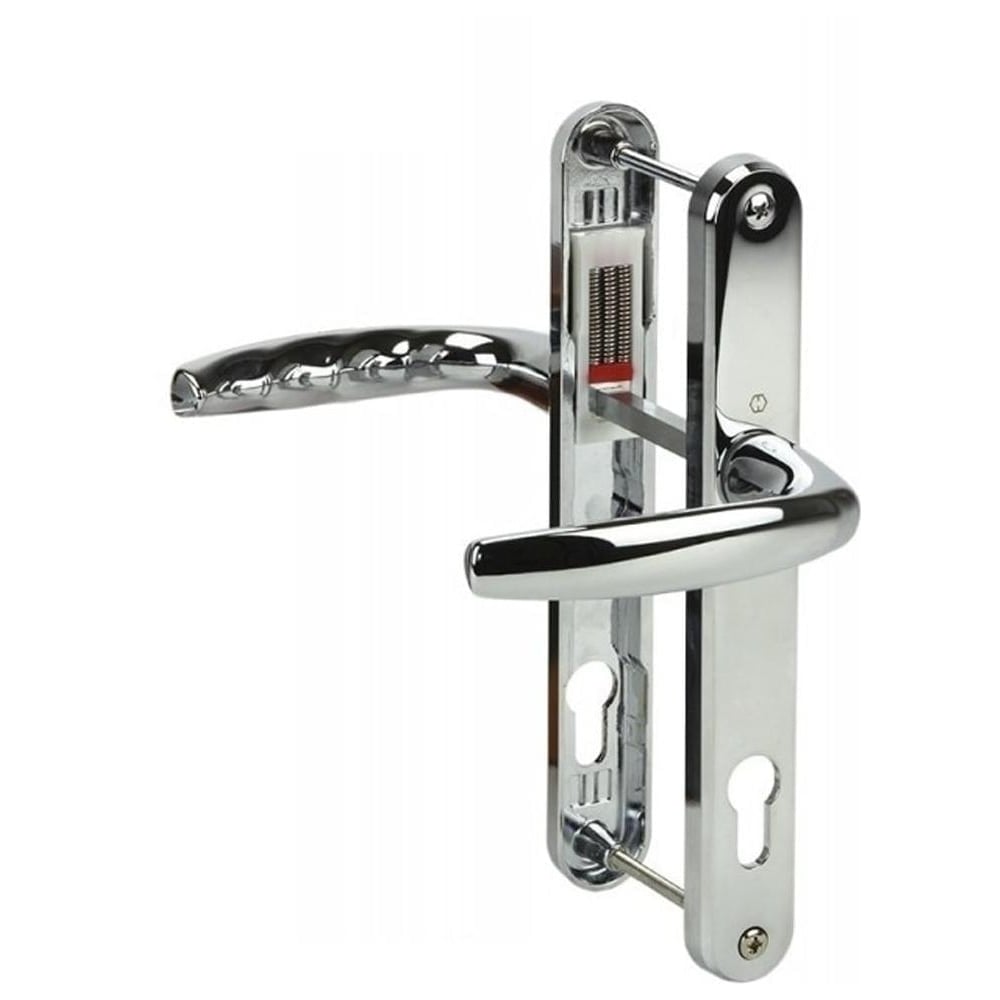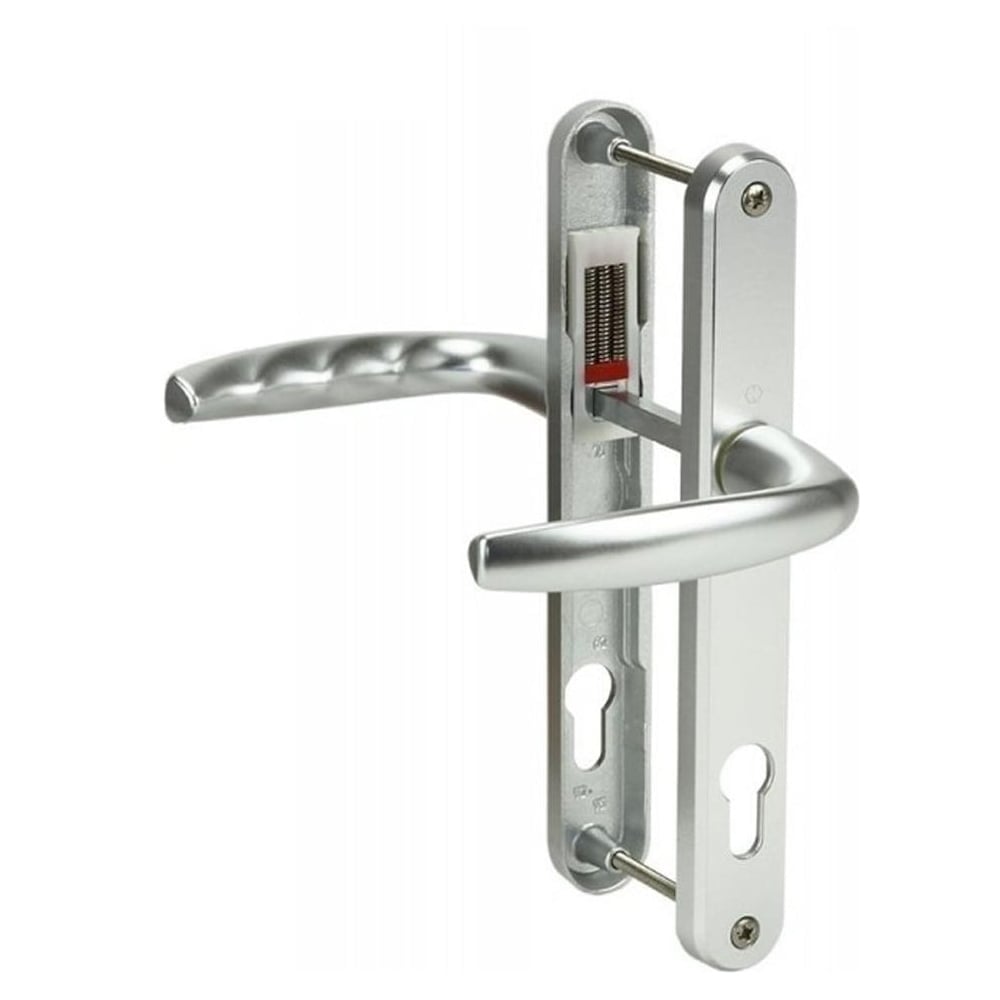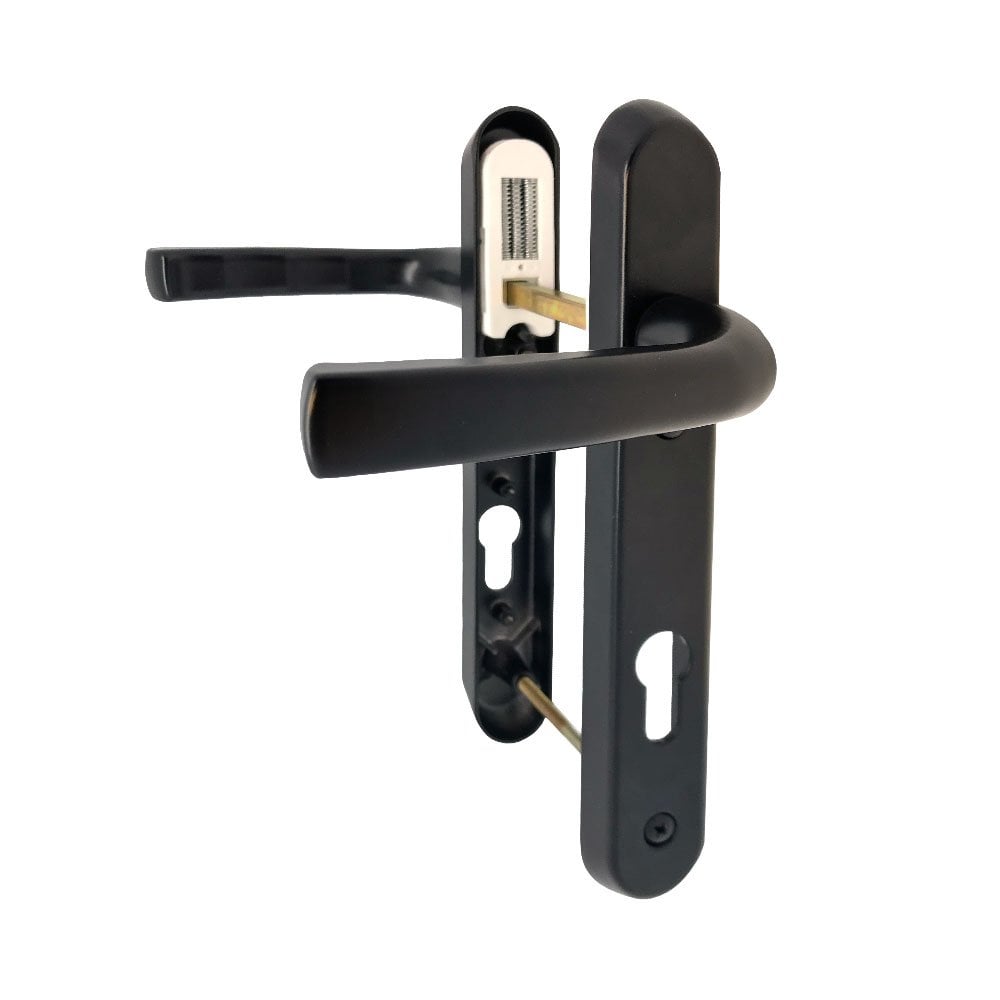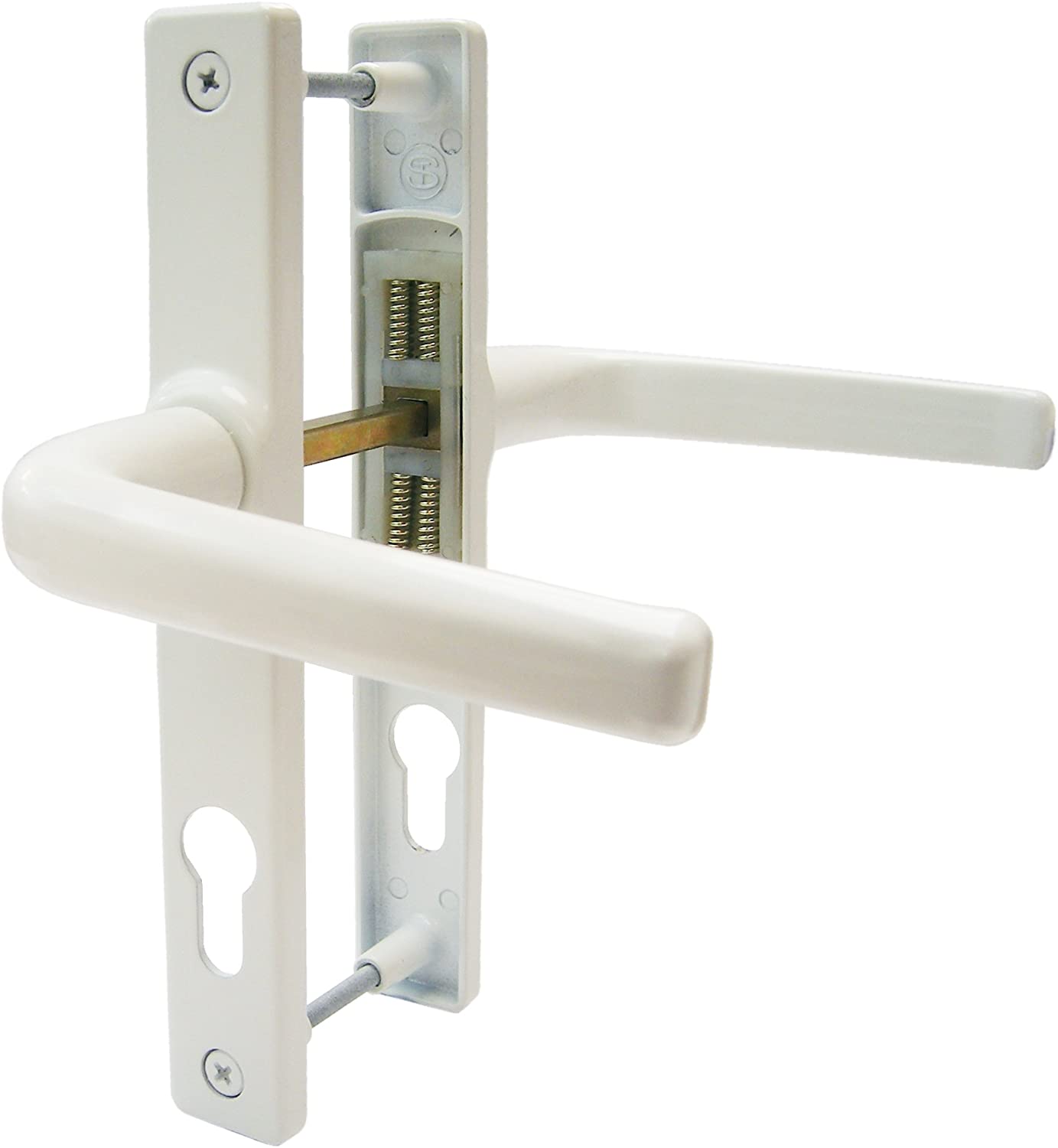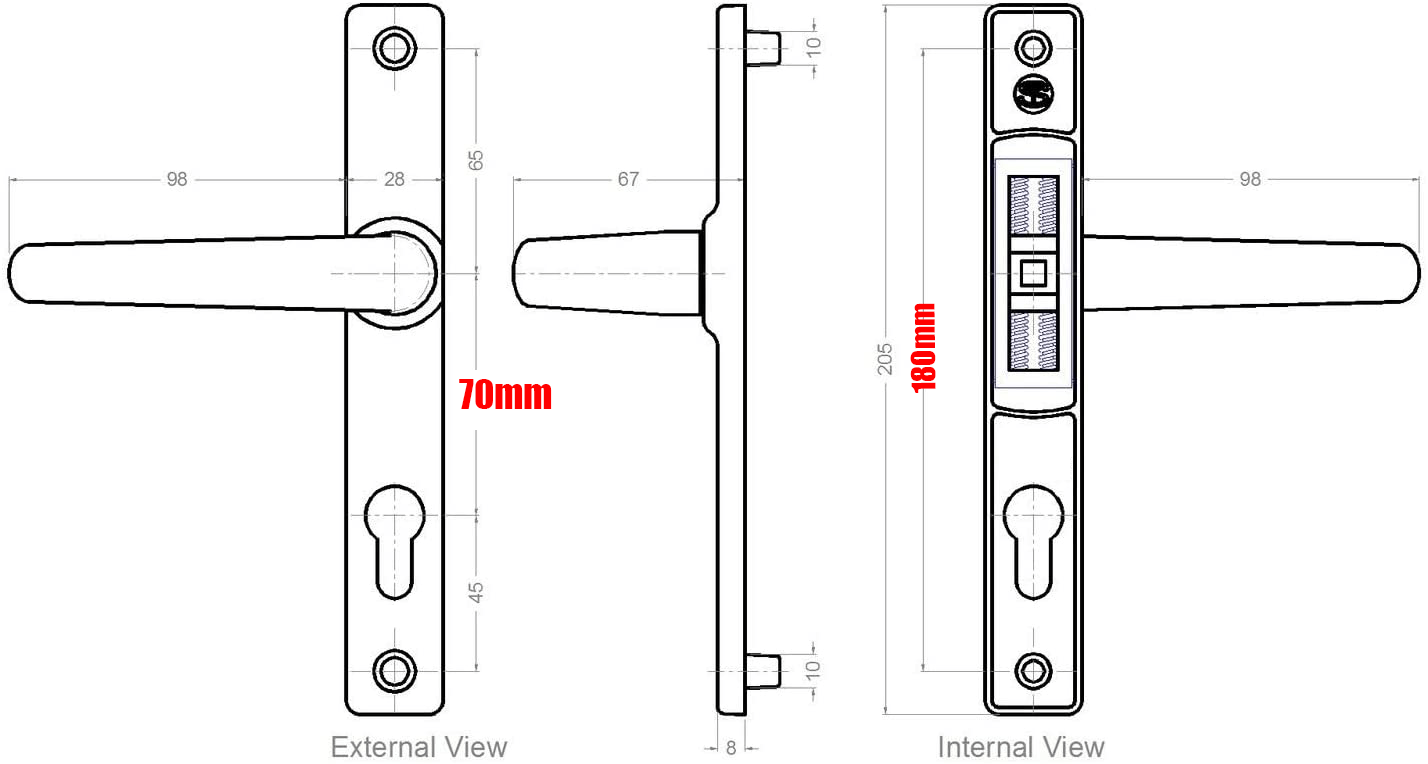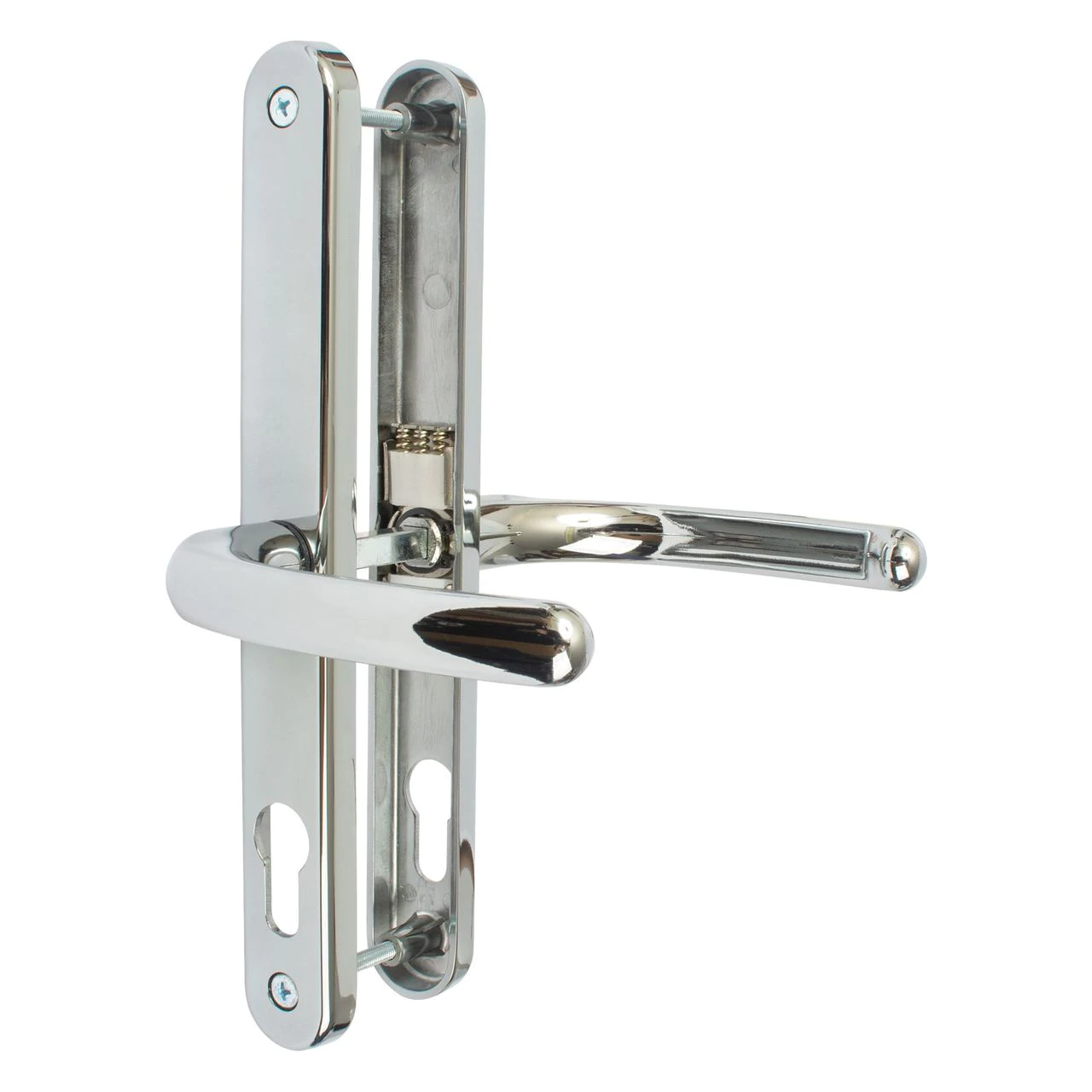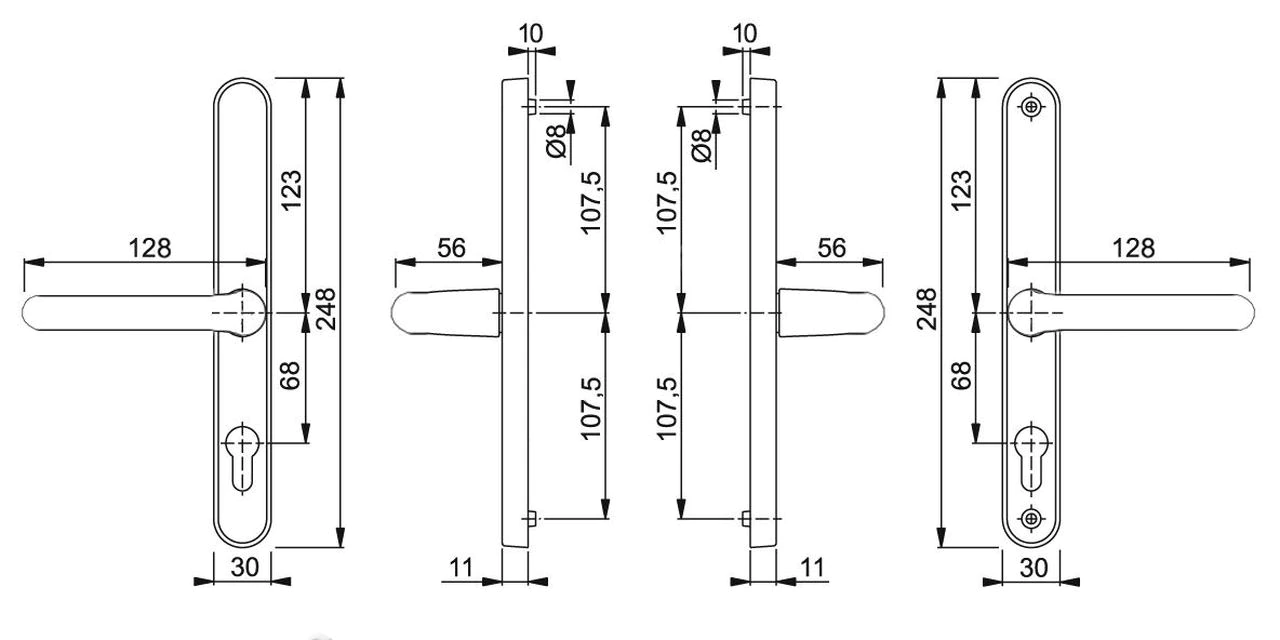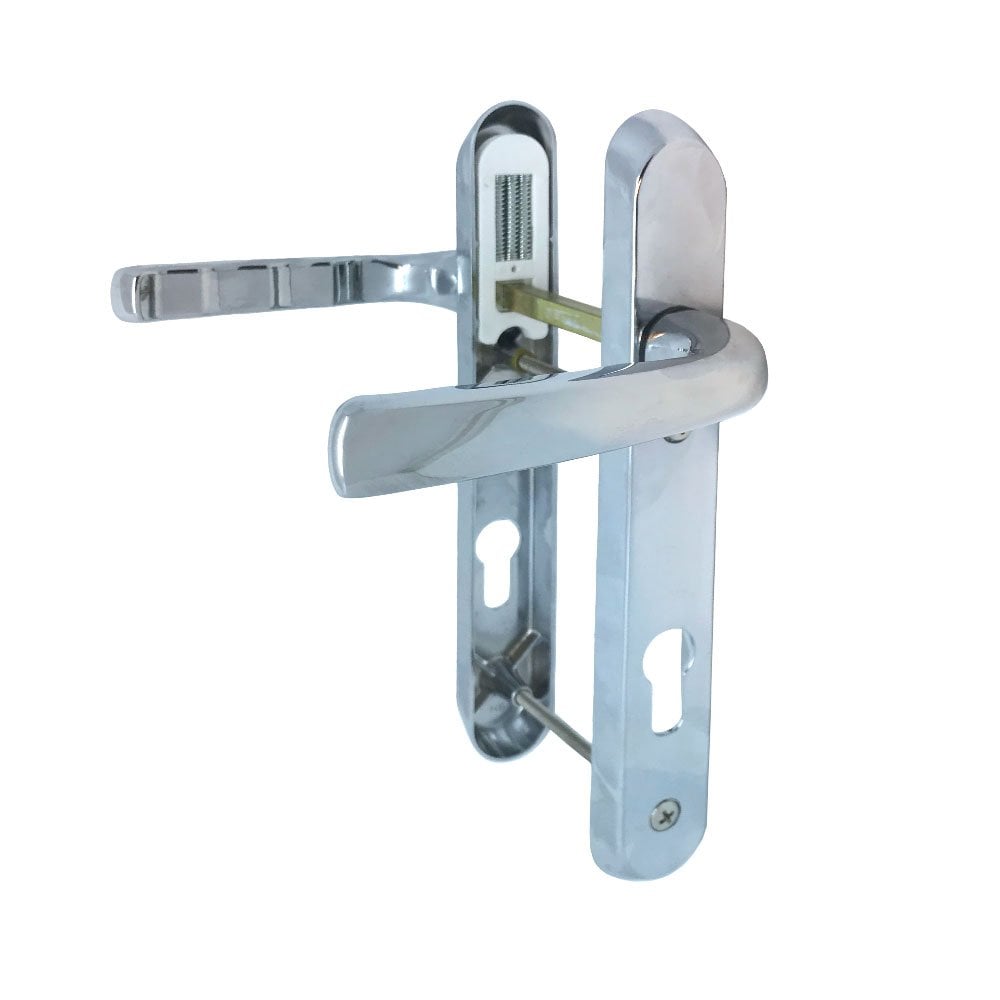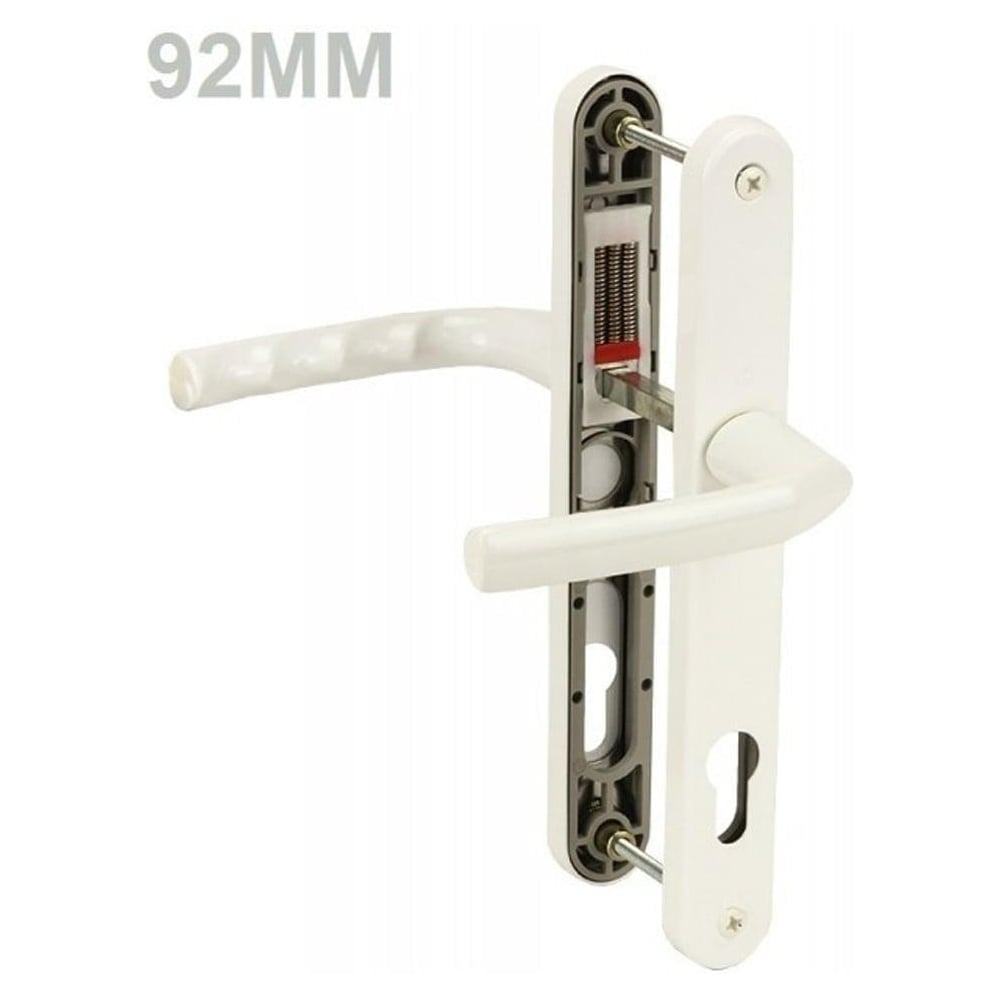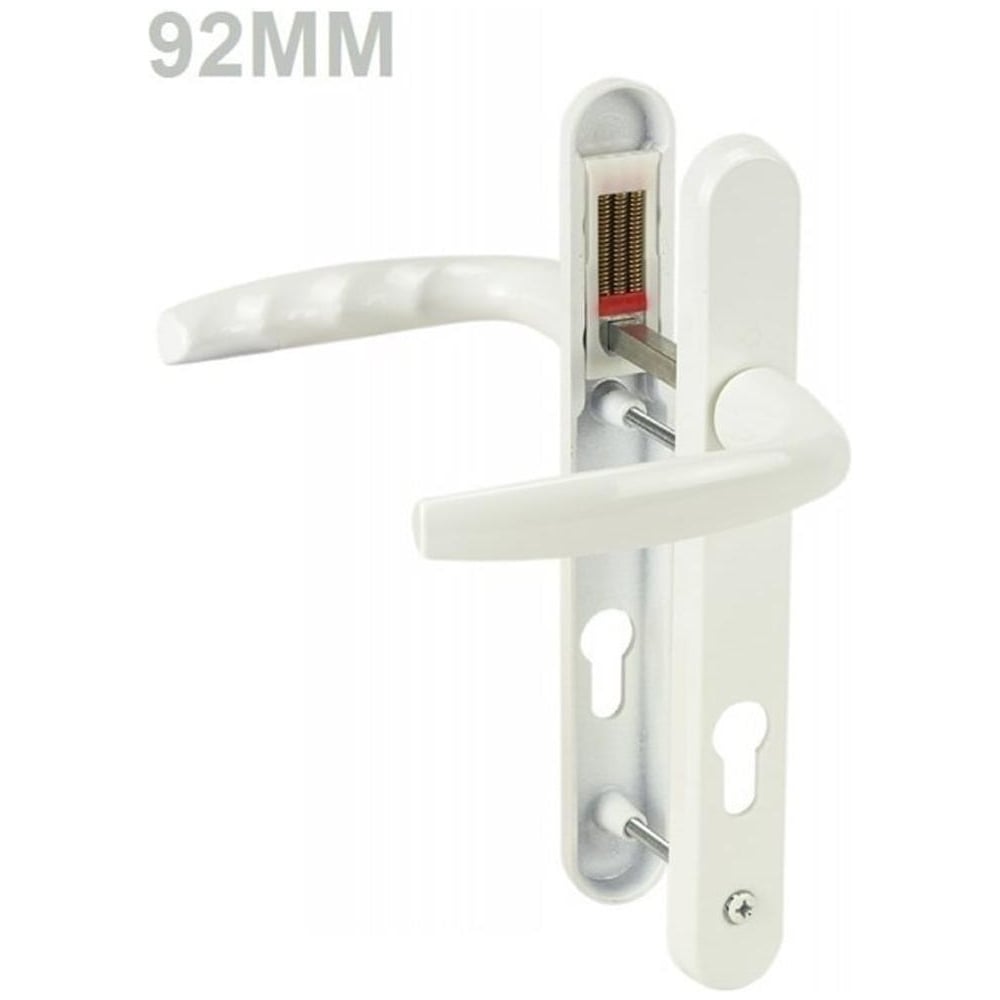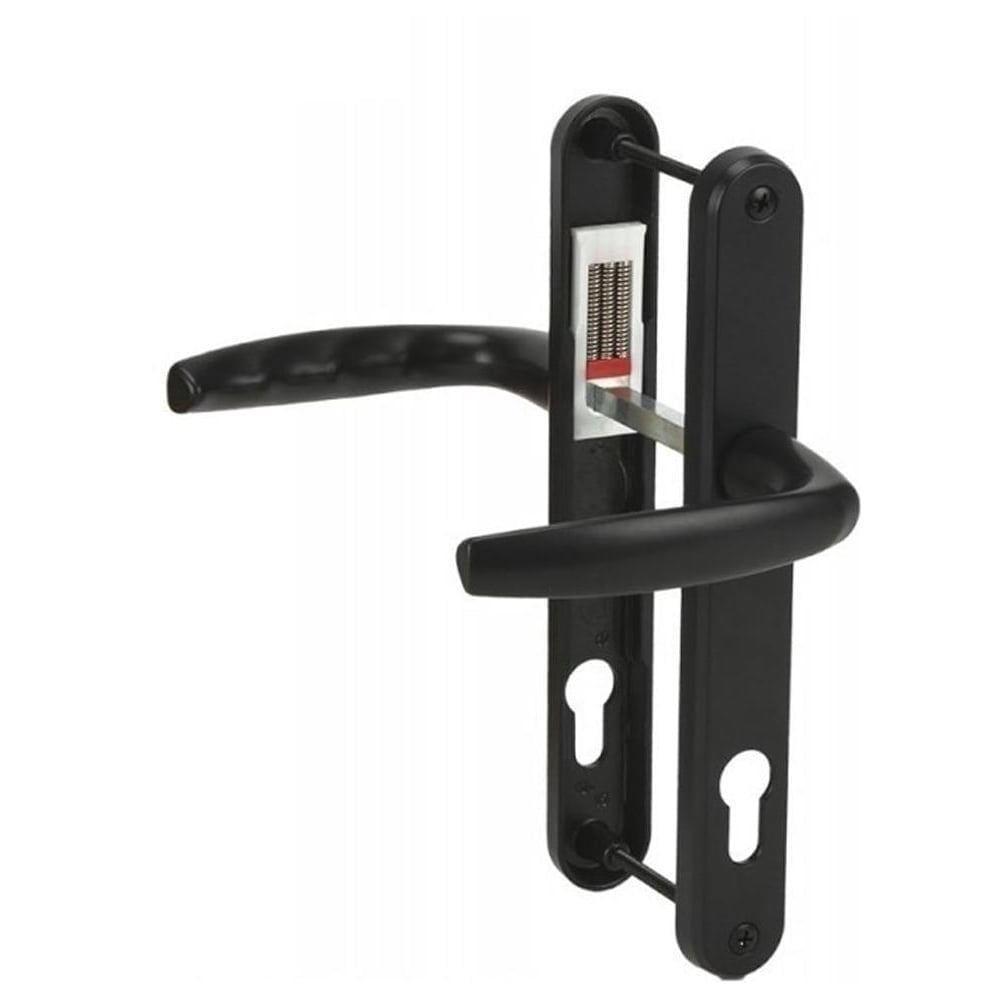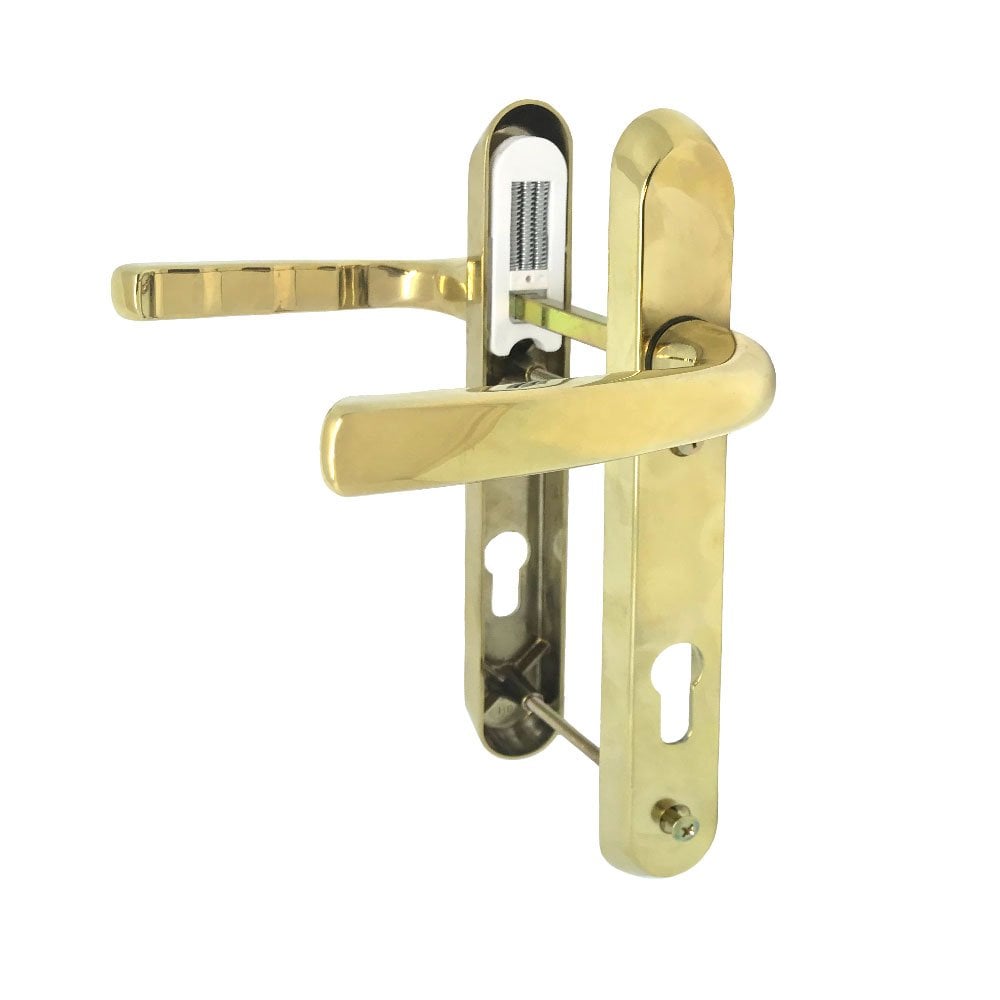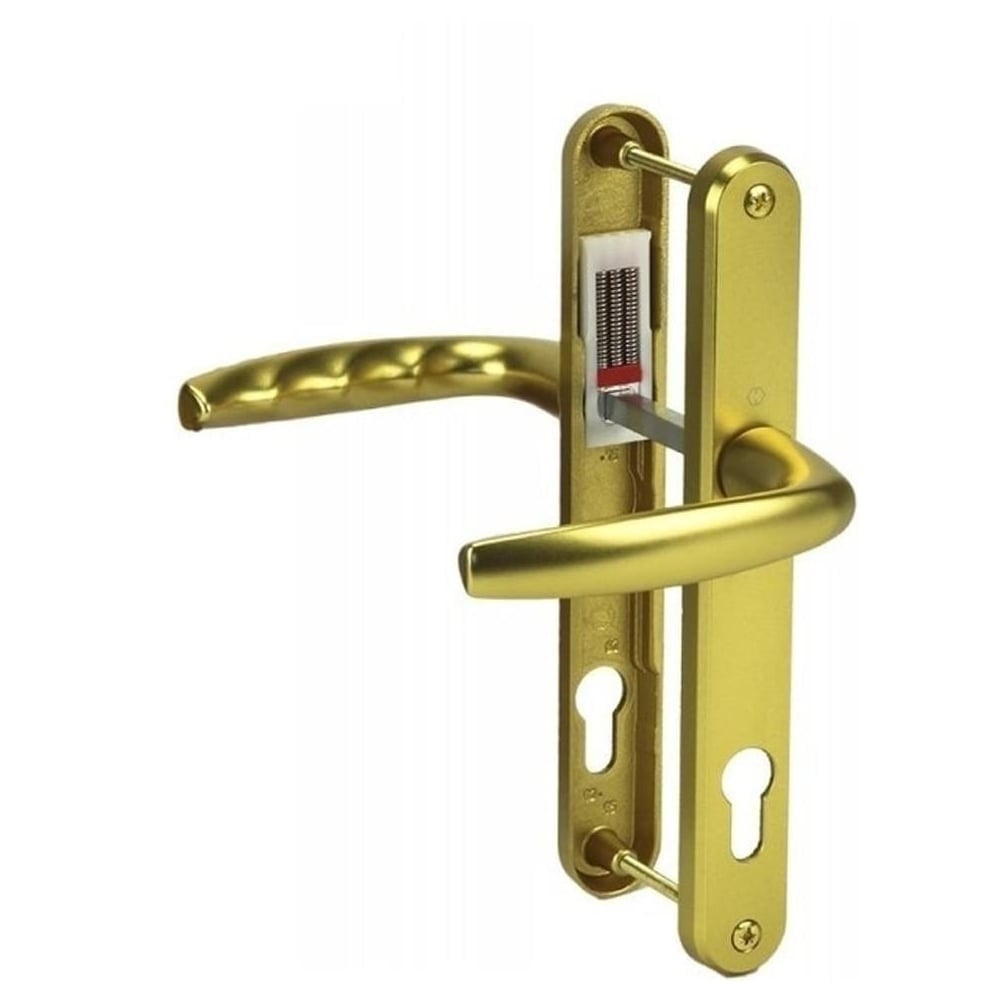
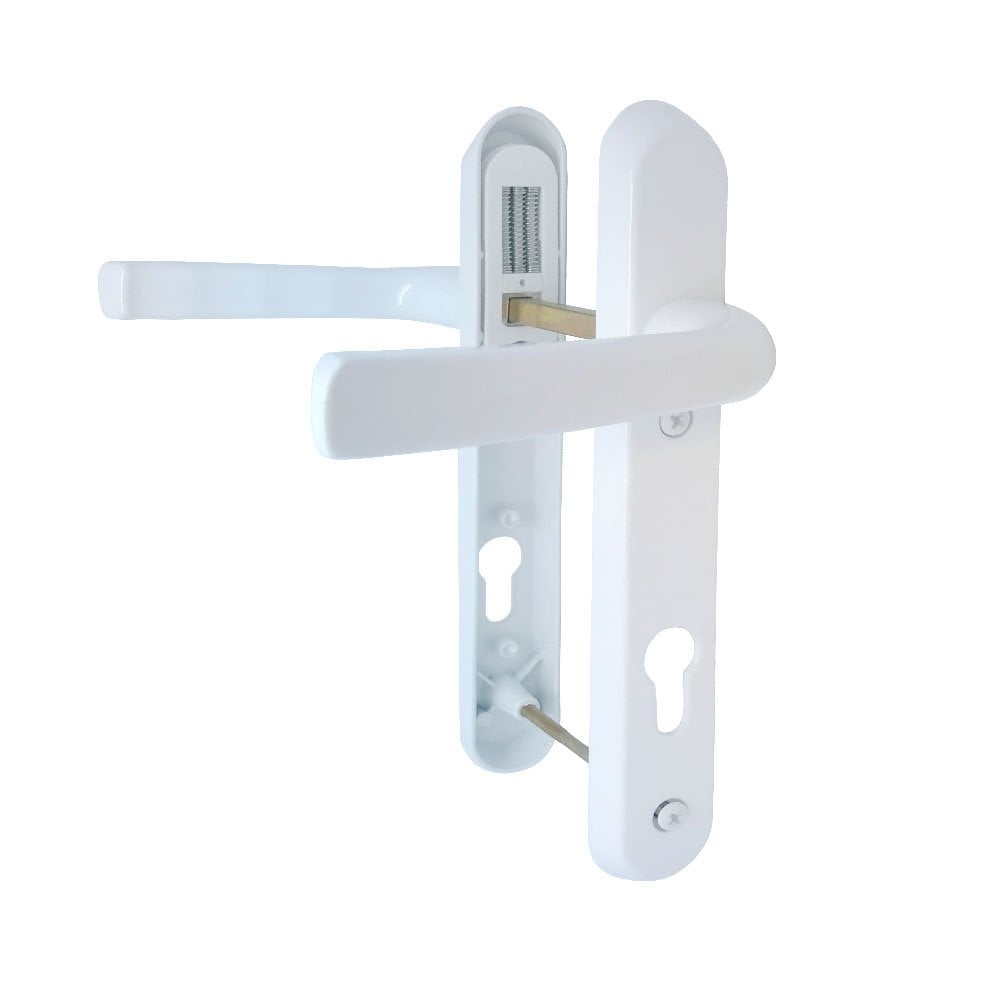

Replacing a uPVC door handle may seem straightforward, but getting the right fit is essential for both function and security. Whether your handle is loose, broken, or simply needs updating, identifying and measuring your current handle correctly will ensure your replacement fits perfectly.
If you already know what handle you need, browse our full range of uPVC door handles — we stock lever-lever, lever-pad and patio styles in all common PZ sizes.
In this guide, we'll show you how to quickly identify your handle type and explain how to take three key measurements: PZ centres, screw fixing centres, and overall handle length.
🔍 Types of uPVC Door Handle Fixings
The first step is to determine whether your door handle follows the standard fixing configuration or requires custom measurements.
Here’s how:
-
Check the top fixing screw
-
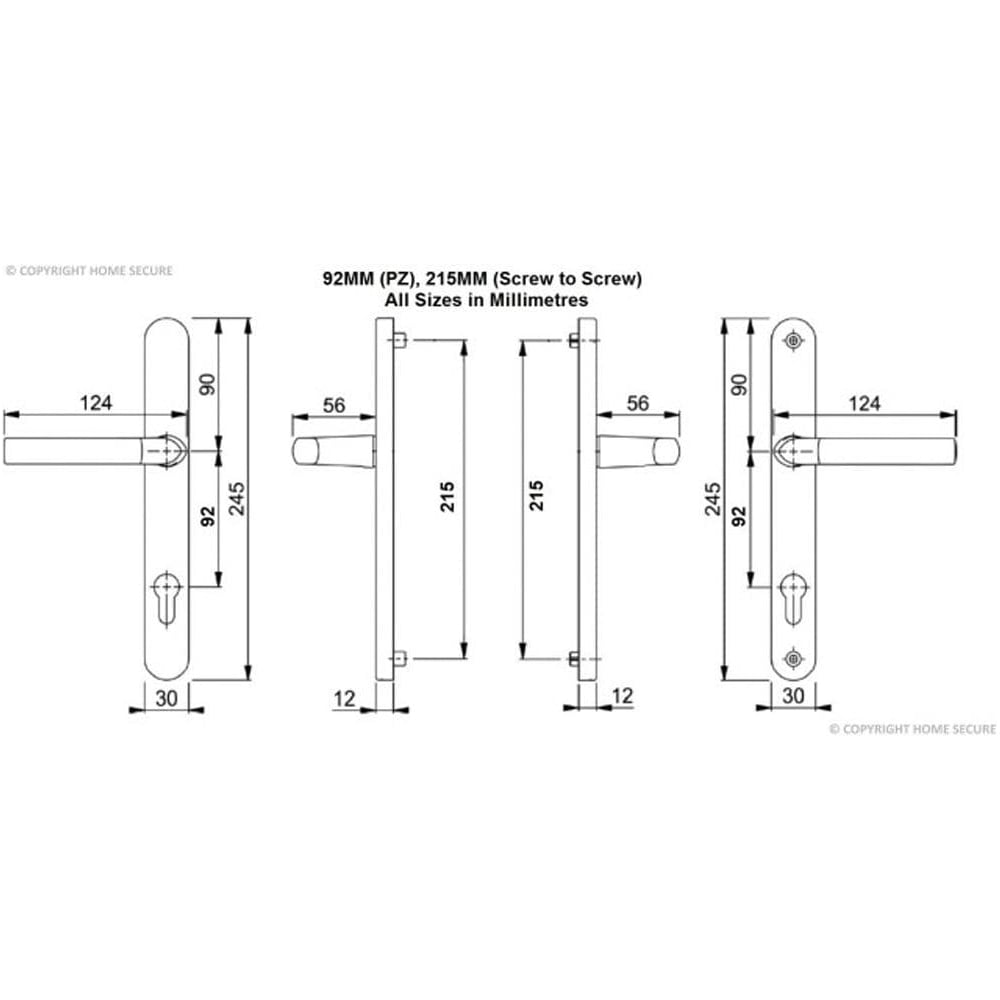
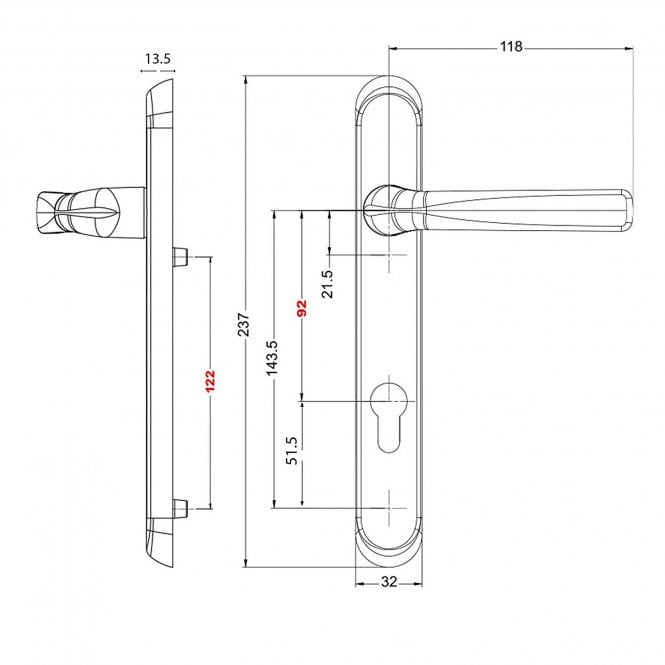
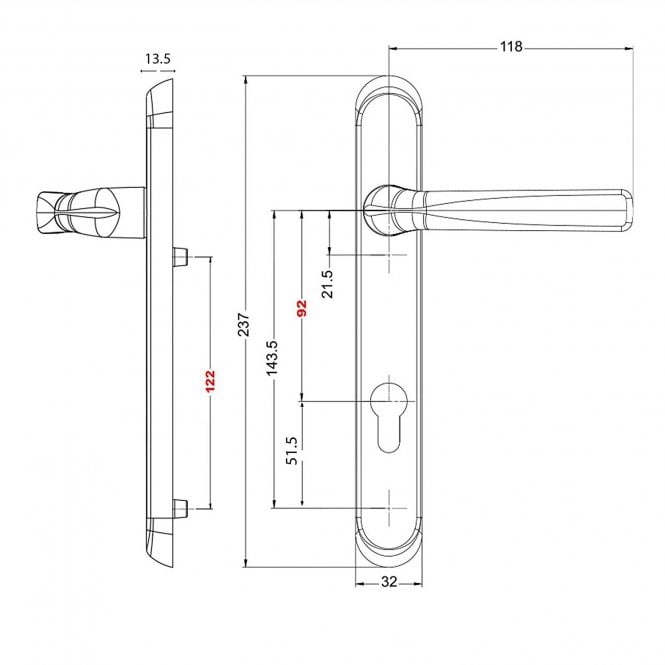
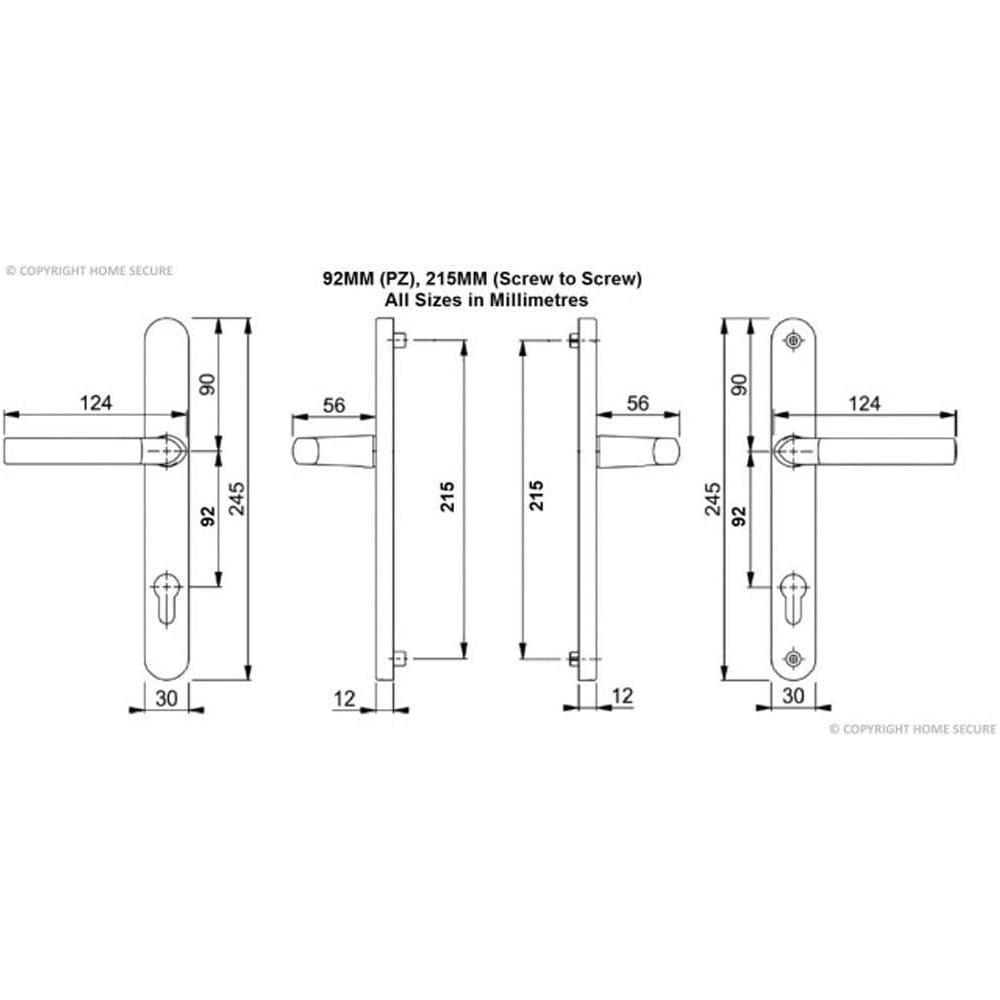
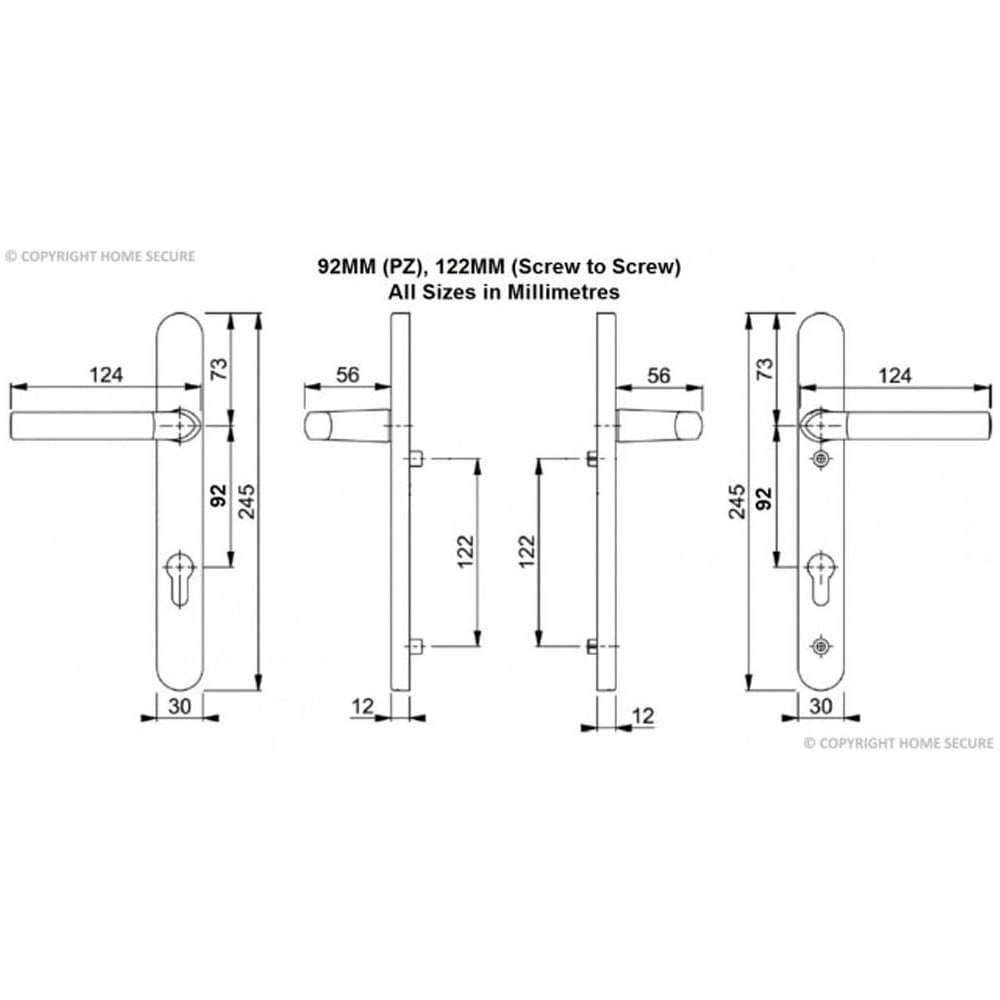
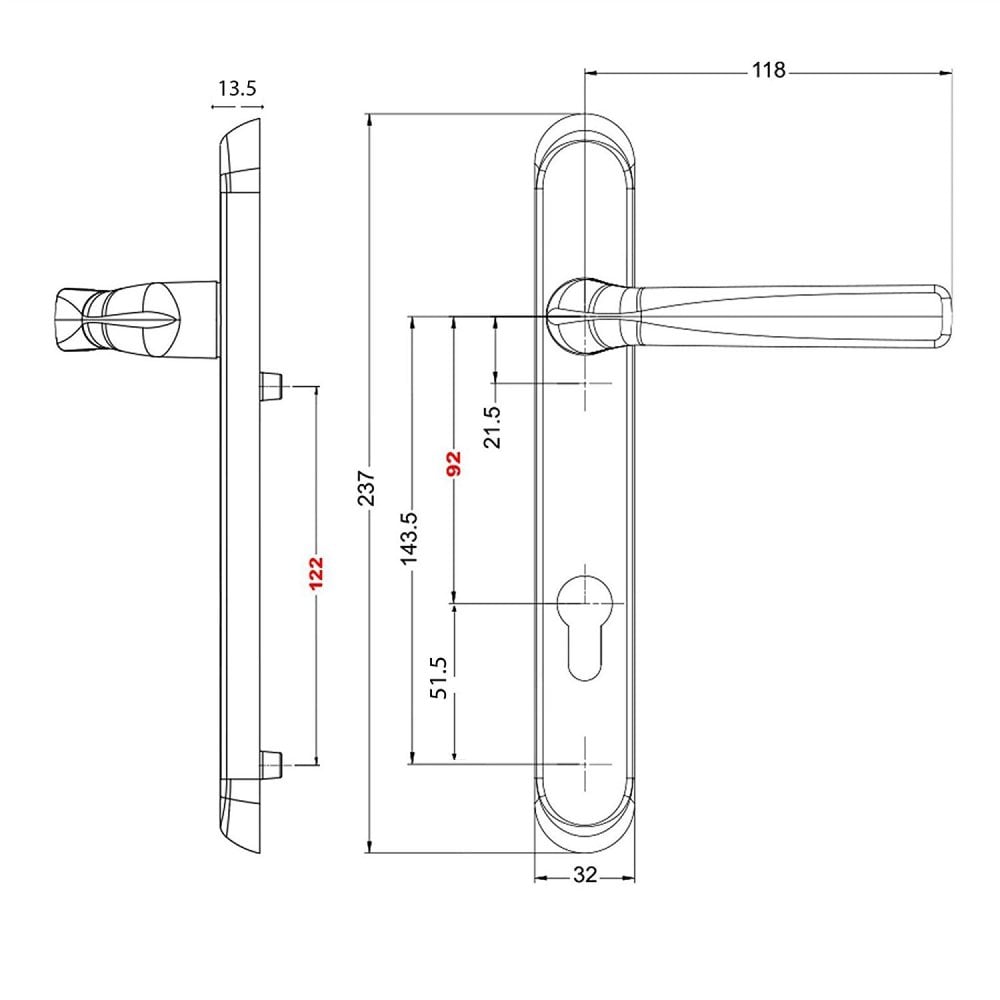
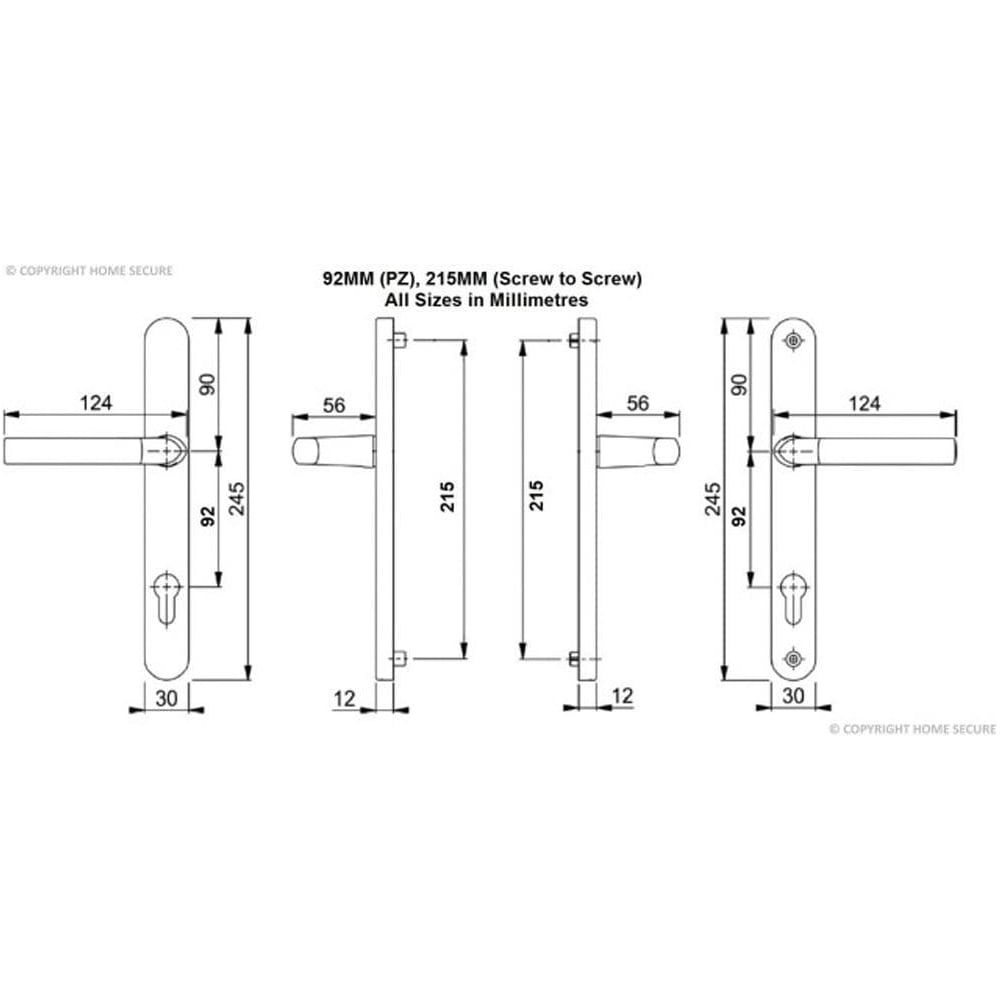
If the top screw is below the lever, your handle likely follows standardised measurements (usually 92mm PZ with 122mm screw centres).
-
If the top screw is above the lever, you’ll need to take all three measurements manually.
-
This quick check helps you avoid ordering a handle that won’t line up with your door’s existing lock or fixing points.
🔗 Browse our uPVC Door Handles →
📏 How to Measure a uPVC Door Handle
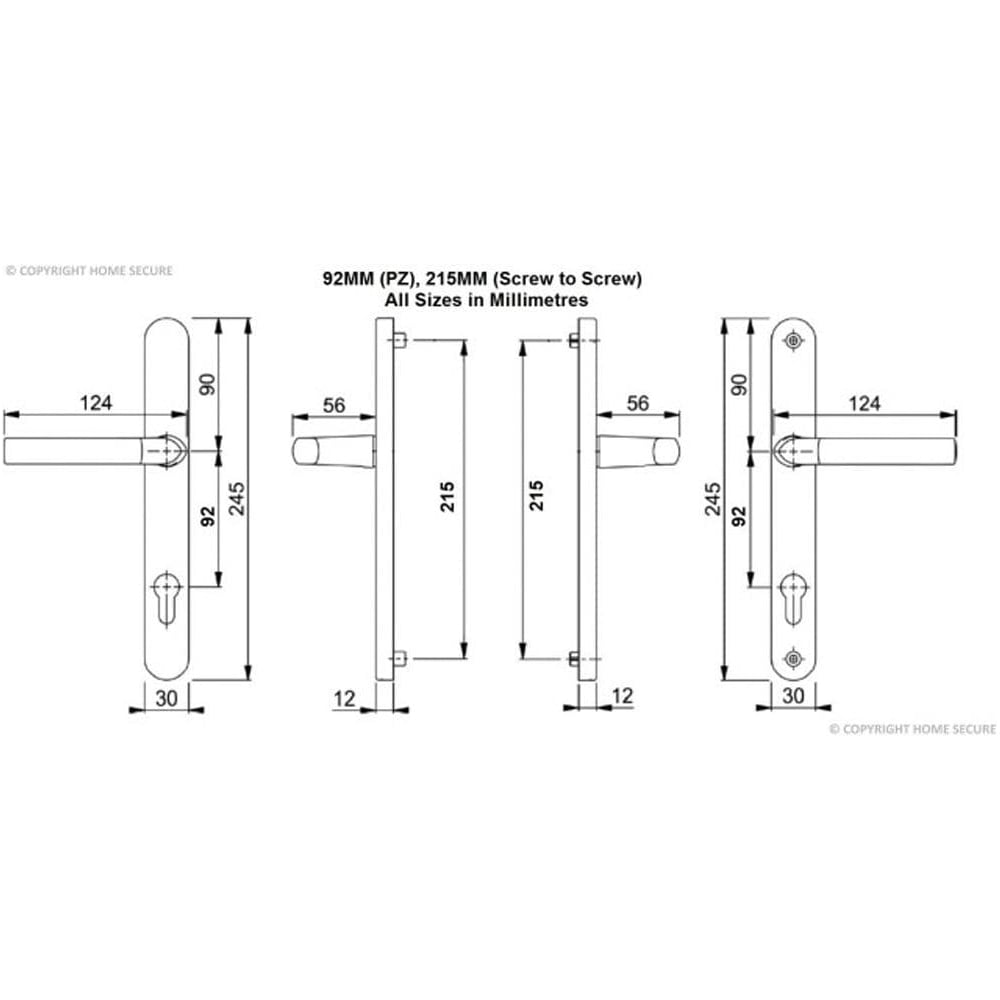
For custom-fit handles or non-standard configurations, you’ll need to record the following three dimensions:
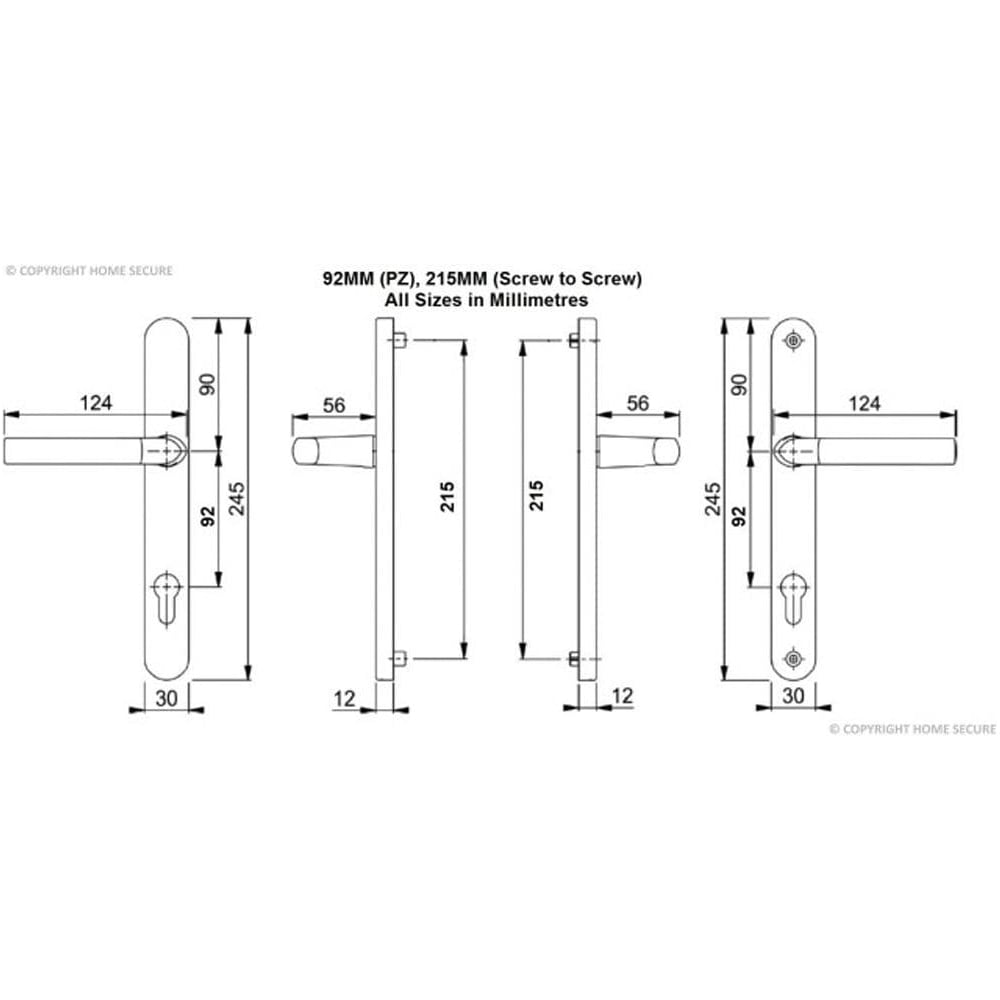
✅ 1. PZ Centres (A)
-
Measure the distance from the centre of the handle spindle to the centre of the keyhole.
-
The most common PZ centre is 92mm, but others (like 62mm or 68mm) are also used.
✅ 2. Screw Fixing Centres (B)
-
Measure the distance between the two fixing screws (centre-to-centre).
-
Common sizes include 122mm, 165mm, 215mm, and more.
✅ 3. Overall Length (C)
-
Measure the total length of the backplate, from top to bottom.
-
This ensures your new handle will cover any old screw holes or marks.
🛠 Need help? Contact Us with your measurements or a photo for free advice.
🔐 Lever-Lever vs Lever-Pad: What’s the Difference?
The lever configuration of your handle also affects which replacement you need.

🔄 Lever-Lever Handles
-
Feature levers on both sides of the door.
-
Common on standard residential back doors and patio doors.
-
Offers easier operation from either side.
🔒 Lever-Pad Handles
-
Feature a lever on the inside and a smaller pad or stub on the outside.
-
Often used on front doors for extra security, as they restrict outside access to the latch.
-
Typically have a shorter PZ centre, such as 62mm.
Choosing the correct configuration is crucial to ensure proper operation with your door’s lock mechanism.
In some cases, difficulty with handle operation can be a symptom of a worn or outdated lock mechanism rather than just the handle itself. If internal components aren’t engaging properly, you may need to explore replacement door locks that work seamlessly with your existing hardware to improve overall performance and security.
❓ Still Unsure What You Need?
If your handle measurements don’t match any of the above, or you're not sure what type you need, don’t worry — we’re here to help.
-
Email us a photo of your current handle and lock faceplate
-
Or call our team for advice on identifying and measuring your uPVC door handles
🔗 View All Door Handle Options →
❓ Frequently Asked Questions (FAQ)
What is the PZ size on a door handle?
The PZ measurement is the distance from the centre of the handle’s spindle to the centre of the keyhole. 92mm is most common, but others like 62mm are used in lever-pad setups.
Can I fit a new handle without measuring?
Only if the old handle follows standardised sizes. If you’re unsure, always measure or ask our team for help.
How do I know if I need a lever-pad or lever-lever handle?
Look at both sides of your door: lever-lever handles have long handles on both sides; lever-pad handles have a smaller external pad and are often found on front doors for enhanced security.
For the full range of lever-lever and lever-pad handles, visit our uPVC door handles collection.
Top Tip!
Lever Pad arrangements are not always but quite often used as a security feature to prevent somebody from accessing your property unless they have a key!
What about window handles?
Windows are often overlooked when people think about home security, but worn or outdated fittings can make them far easier to force. In many cases, a simple fix like window handle upgrades can significantly improve how securely a window closes, especially on older uPVC frames. Modern replacements are designed to lock more firmly and operate more smoothly, making them a practical improvement without the cost of replacing entire windows.
For additional insights on improving home security, Age UK provides a helpful overview of how proper door and window fittings can significantly reduce burglary risks. Their guidance highlights the importance of using quality handles, locks, and reinforced hardware to strengthen entry points in any home. You can read their full article here: Age UK – Home Security Advice
✅ Summary: What to Do Next
-
Identify whether your handle follows standard or custom sizing
-
Take three simple measurements: PZ, screw centres, and overall length
-
Choose the right configuration: lever-lever or lever-pad
-
Still need help? Contact Us →
While you are upgrading your door hardware, it is also worth checking that your door lock is up to standard. Browse our high security door locks collection for anti-snap euro cylinders and BS3621 rated locks.
A worn door handle can also affect the performance of your door lock. If your multipoint lock feels stiff or the locking points are not engaging, the gearbox may need replacing too.
Finally - when it's time to replace your uPVC door handle, check out this video below which shows you how:
Ready to order? Browse our full collection of replacement uPVC door handles in all common sizes and finishes, with fast 2-day UK delivery.
Check out the featured products from this article below 👇 Including UPVC Door Handles - Lever Lever - D37 - White