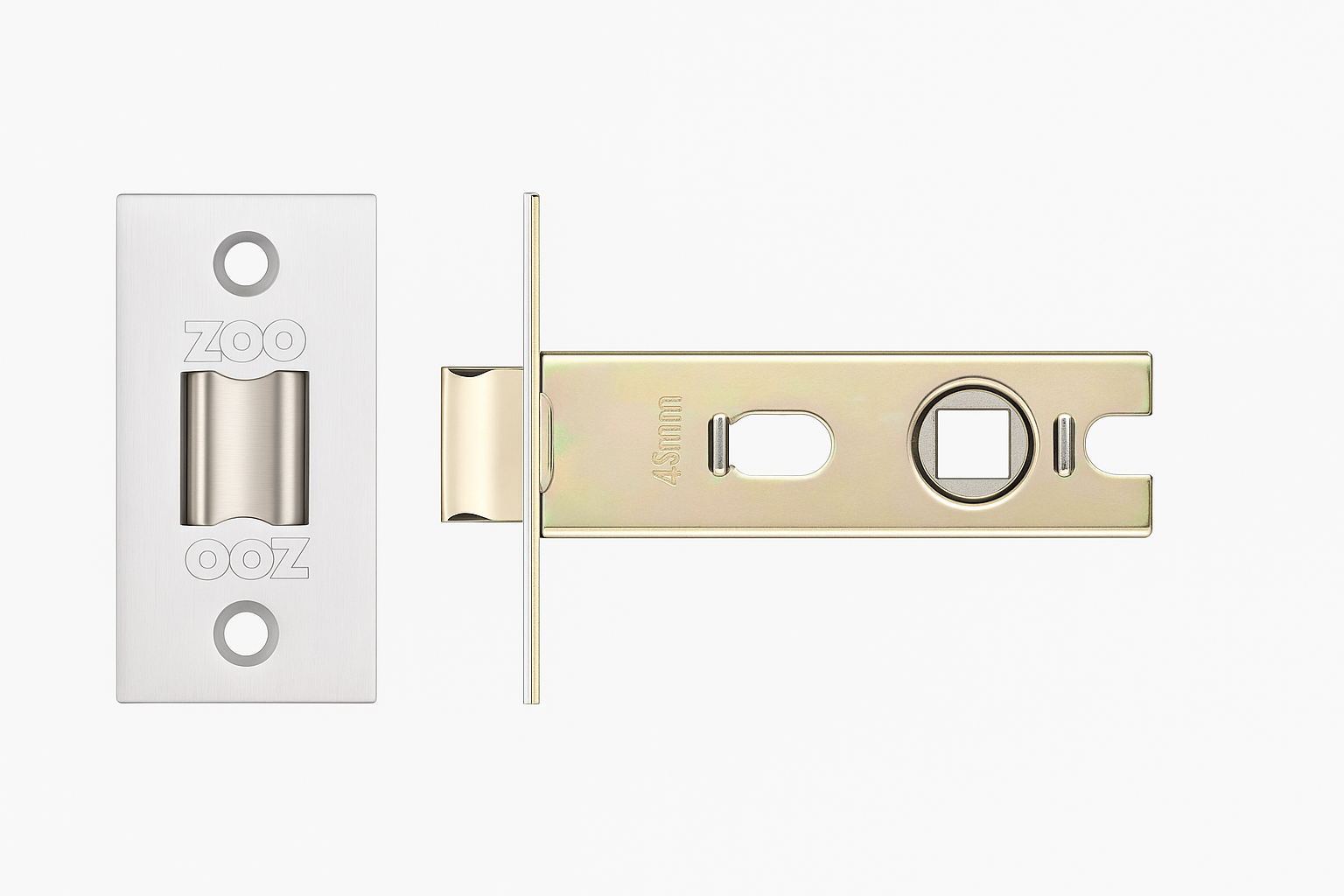
When you need to swap out a latch on an internal door, knowing the right measurements is key to avoiding return hassles or ill-fitting parts. This guide helps you measure your tubular (mortice) latch accurately—with tips, visuals, and the essential terminology to make the process straightforward.
If you already know the latch size you need, browse our door latches collection to find the right replacement.
Want the right replacement? Check out our range of tubular mortice latches curated for both accuracy and quality.
What Are the Key Measurements?
-
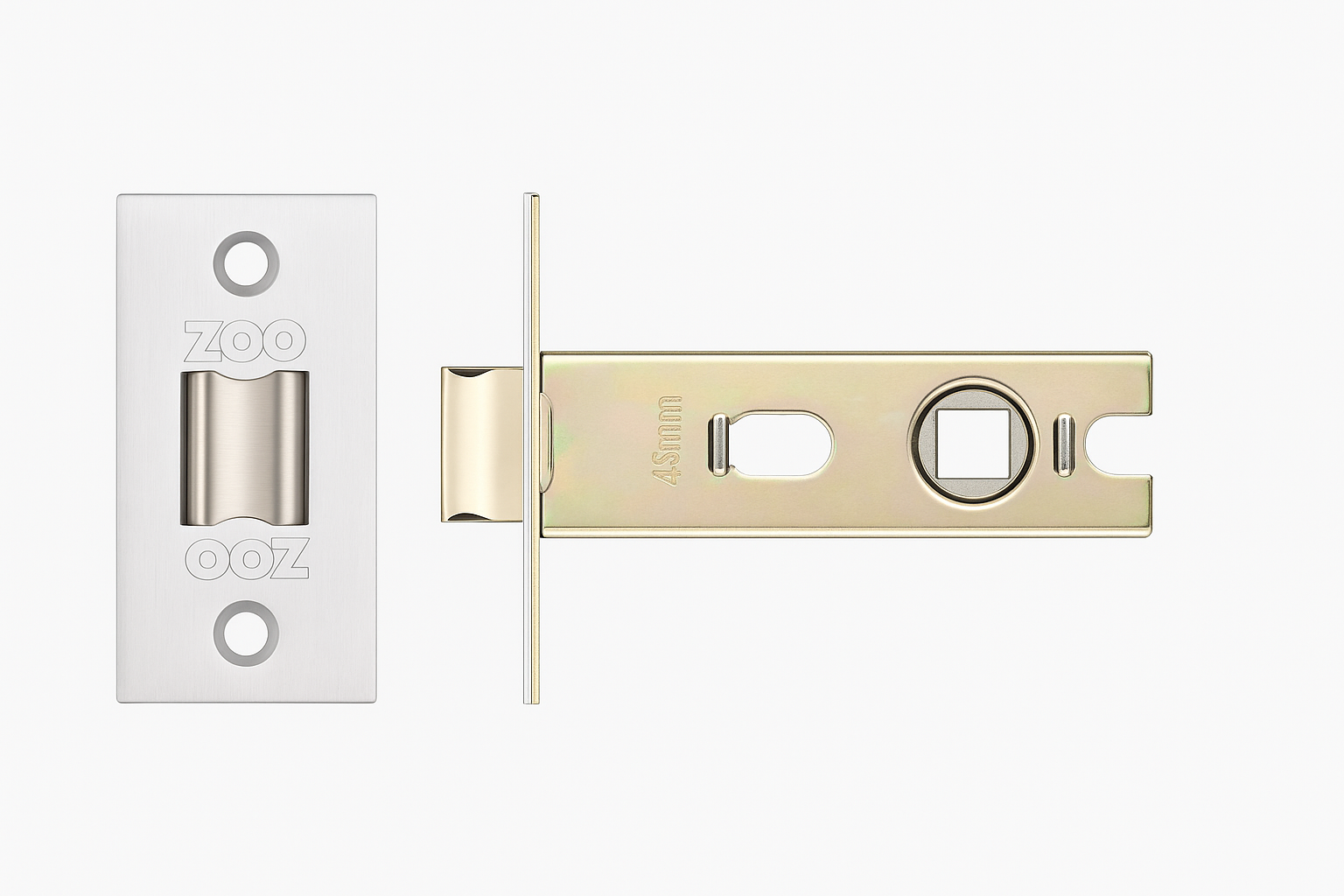
Case Length (Latch Body):
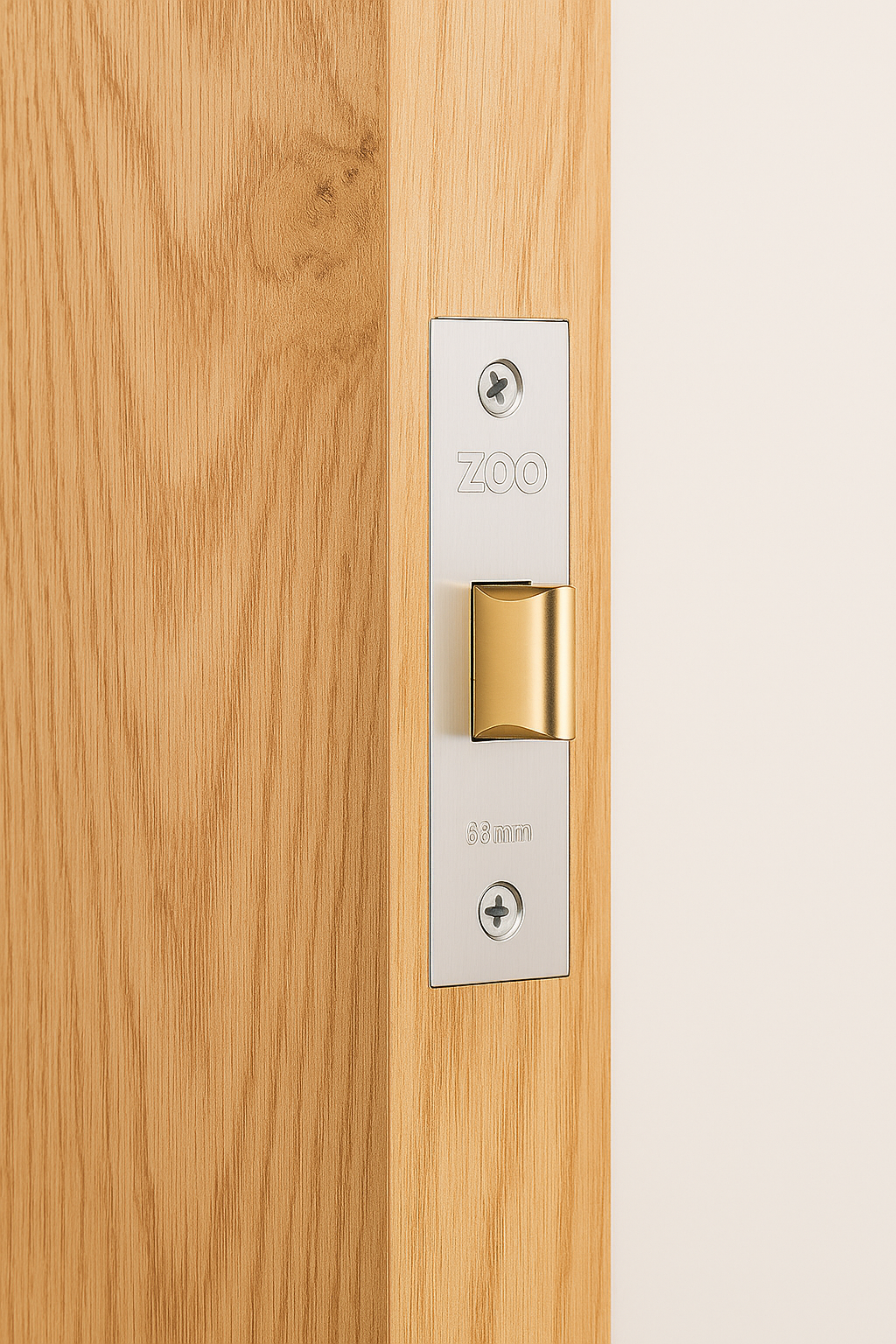
This is the full length of the latch case—from the faceplate to the back. Common UK sizes are 63 mm (approx. 44 mm backset) and 76 mm (approx. 57 mm backset). -
Backset (Spindle Distance):
The backset determines where the handle sits on the door—measured from the edge of the door to the center of the spindle hole. The typical measurements are 44 mm (for 63 mm case) and 57 mm (for 76 mm case). -
Why It Matters:
Accurate backset measurement ensures your handle sits comfortably—too close can lead to hitting the frame, too far looks odd and awkward to use.
Before you begin measuring your internal door latch, it’s important to understand how each component of your door works together — from the latch case to the spindle hole and door thickness. Taking a few careful measurements can help prevent installation mistakes that lead to poor alignment or sticking handles. For a detailed, step-by-step look at how to measure for new hardware, you can also check out this comprehensive guide from DailyHomeSafety. Their guide walks you through essential dimensions like backset, bore hole, and door edge, helping you make confident choices when upgrading or replacing internal latches.

Step-by-Step: How to Measure Your Door Latch
-
Remove the Latch
If possible, remove the existing latch to expose the latch body and faceplate. -
Measure the Case Length
Use a tape measure to determine the length from the faceplate to the opposite end of the latch body. -
Measure the Backset
From the door’s leading edge, measure to the center point of the spindle hole—the backset. -
Note All Details
Record your measurements clearly. If you're unsure, opt for the larger standard (76 mm case, 57 mm backset) to avoid misfit.
For new doors without a latch, rough inserts, or the need to accommodate different handle styles, the 76 mm case is often a safer choice.
Quick Reference Table
| Measurement | Description |
|---|---|
| Case Length | Total length of the latch case (e.g., 63 mm, 76 mm) |
| Backset | Distance from door edge to spindle center (e.g., 44 mm, 57 mm) |
| Recommendation | For new fitments, choose 76 mm case / 57 mm backset if unsure |
Final Thoughts
By measuring both the case length and backset properly, you’ll avoid ordering the wrong latch and ensure smooth, secure fitment. If your existing latch still works fine, and you’re only updating the handle style, you may not even need to change the latch at all.
Need help picking the right size? Explore our mortice latch collection or contact our team for expert advice!
❓ Frequently Asked Questions
Q: What is the difference between case length and backset?
A: The case length is the total size of the latch body, while the backset is the distance from the door’s edge to the centre of the spindle hole.
Q: What are the standard door latch sizes in the UK?
A: The two most common sizes are 63 mm case length with 44 mm backset and 76 mm case length with 57 mm backset.
Q: Which latch size should I choose for a new door?
A: If unsure, the larger 76 mm case with 57 mm backset is often recommended, as it positions the handle further from the door frame.
Q: Do I always need to replace the latch when changing door handles?
A: Not always. If your existing latch is in good working order and matches the new handle’s requirements, you can usually keep it in place.
Q: Can I fit a latch myself?
A: Yes, most tubular latches are DIY-friendly. With basic tools and careful measuring, you can replace a latch in under 30 minutes.
If you are replacing a latch as part of a full door hardware refresh, it is worth updating your door handles at the same time.
Our interior door handle packs include handles, hinges and a latch in one set for a quick, complete upgrade.
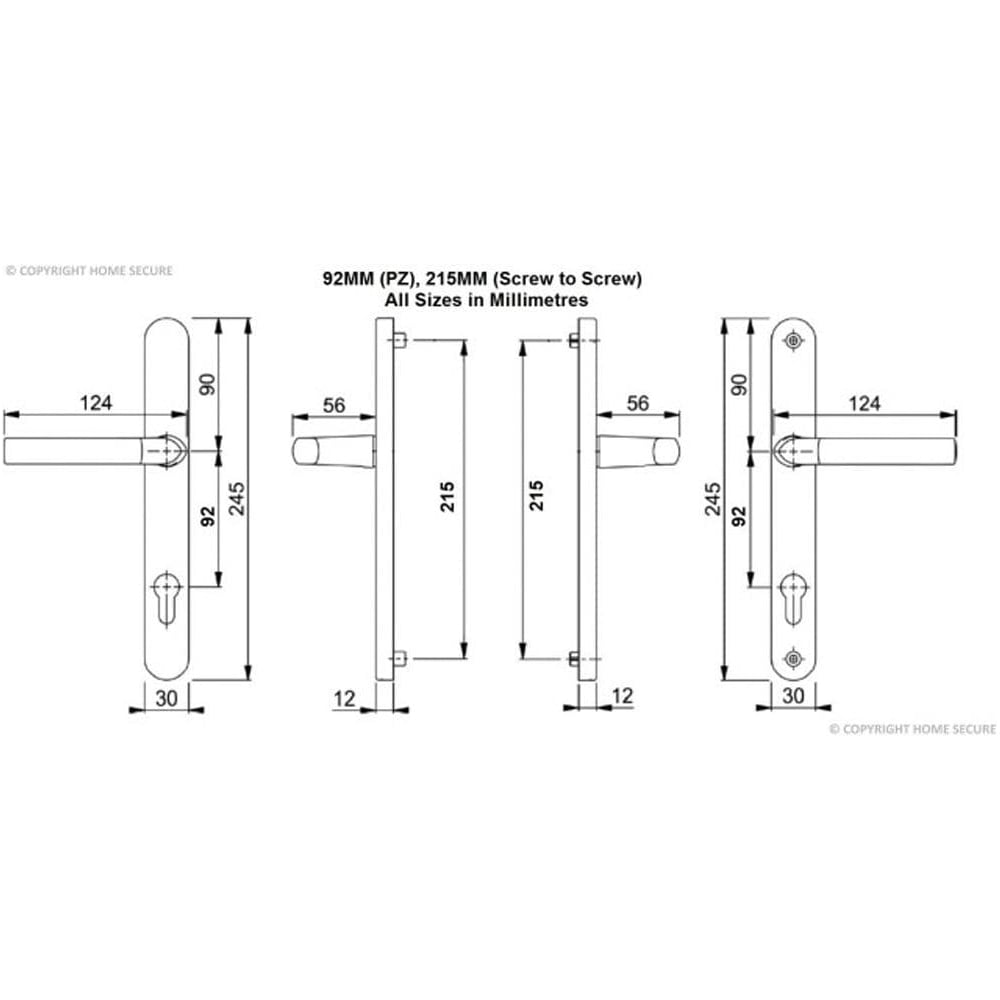
Need to replace your uPVC door handles as well? Our guide on how to identify and measure uPVC door handles covers PZ centres, screw spacing and handle types.
For external doors, a simple latch is not enough on its own.
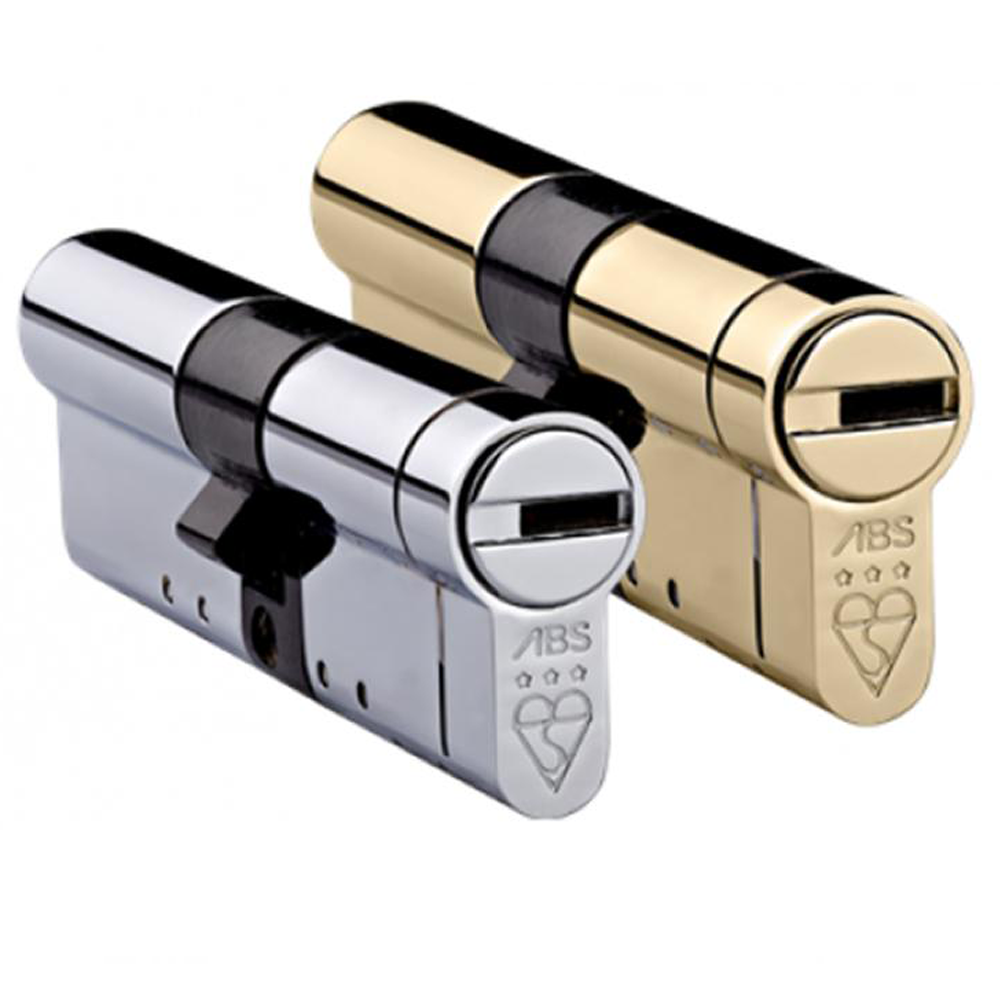
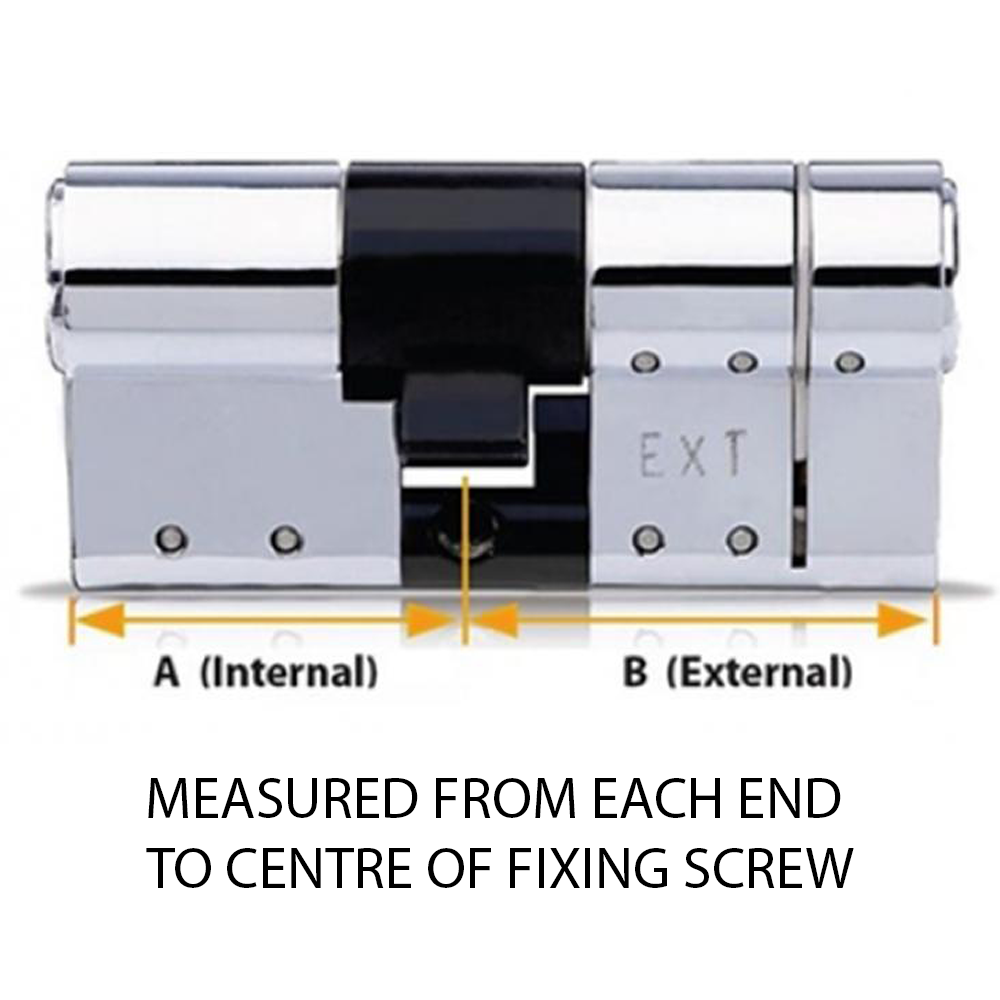
uPVC and composite front doors should use a multipoint locking system with an anti-snap euro cylinder for proper security.
For a complete overview of all the door security products we stock, including high security door locks, euro cylinders and multipoint mechanisms, visit our locks collection.
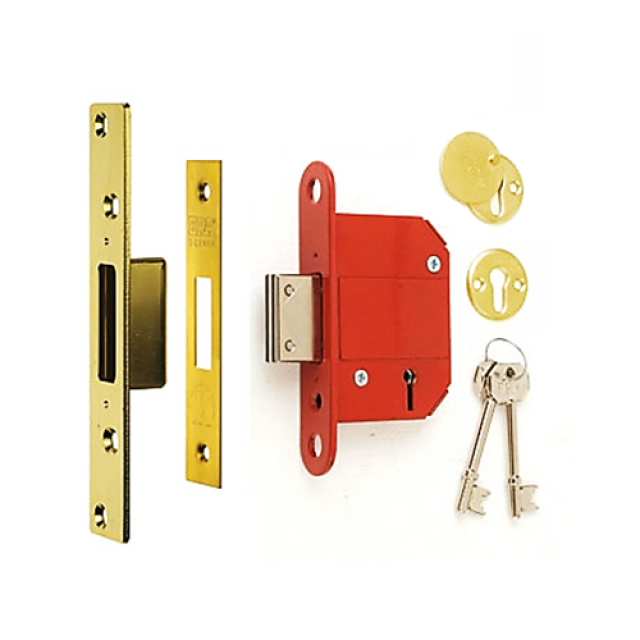
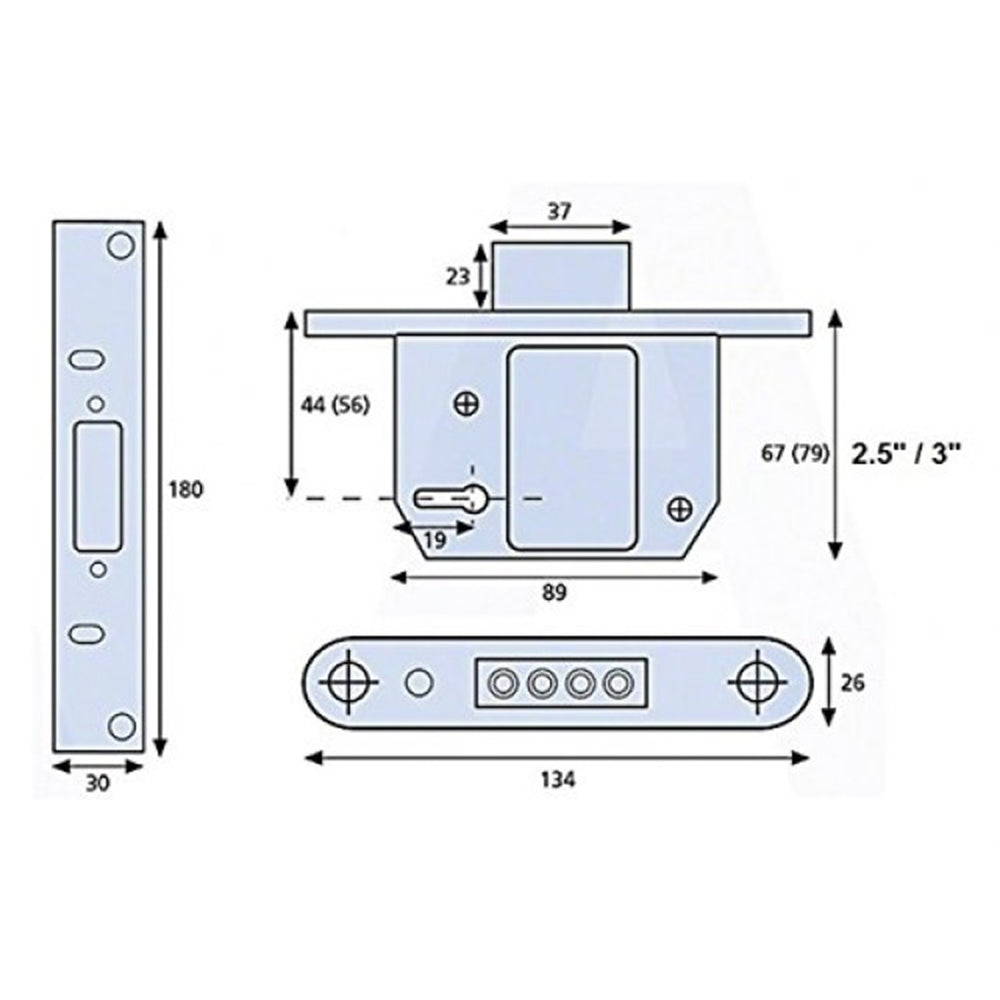
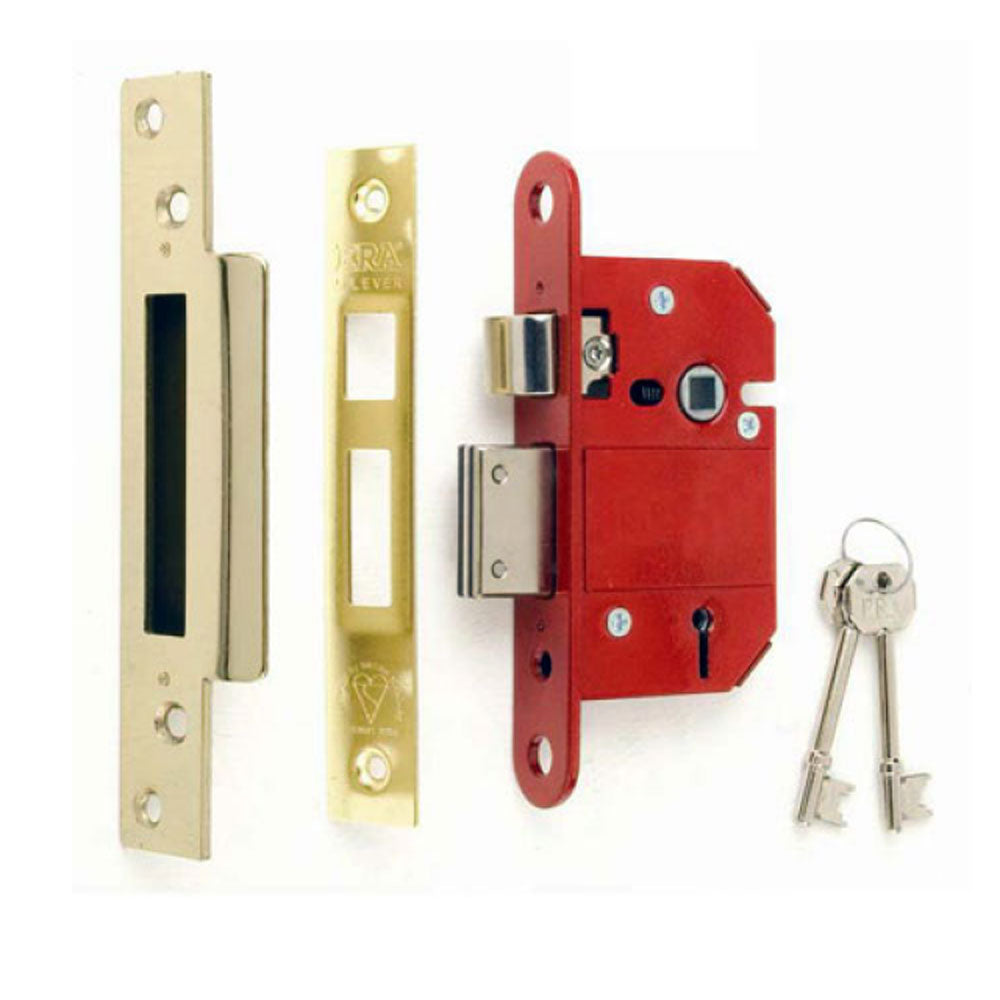
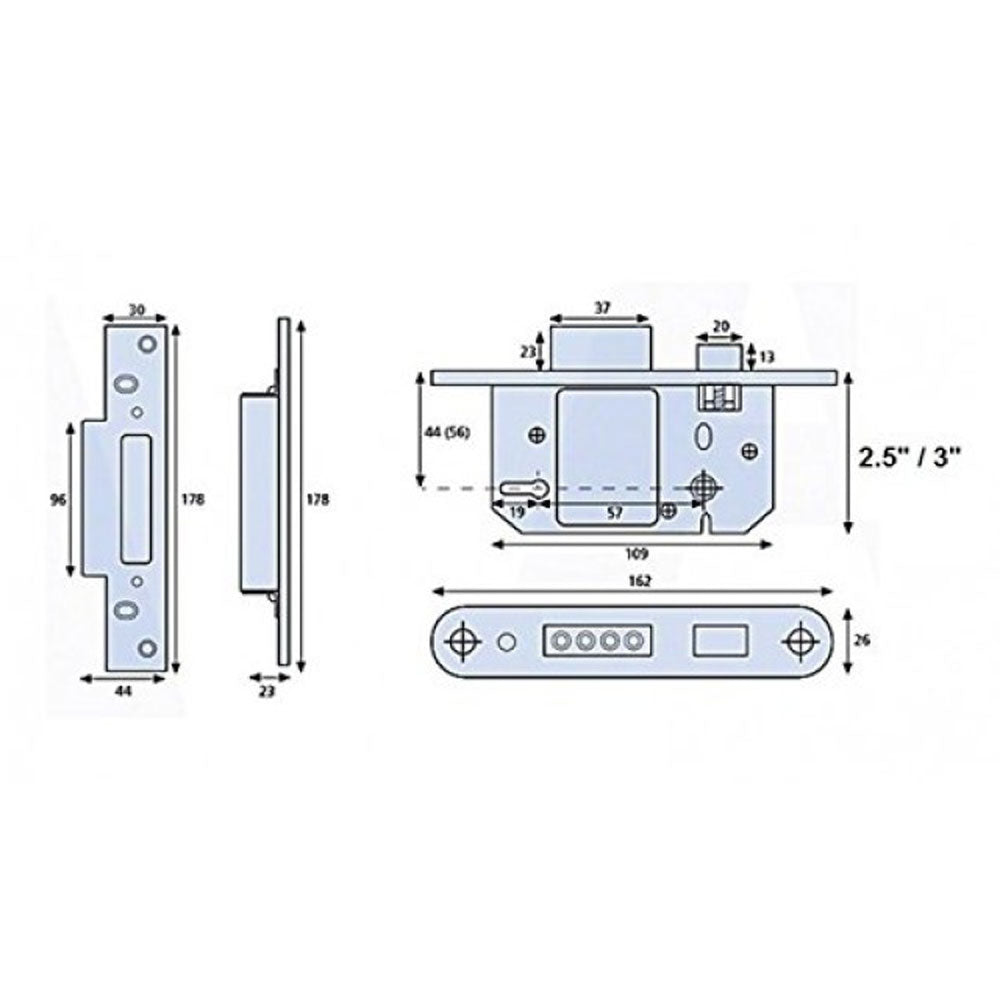
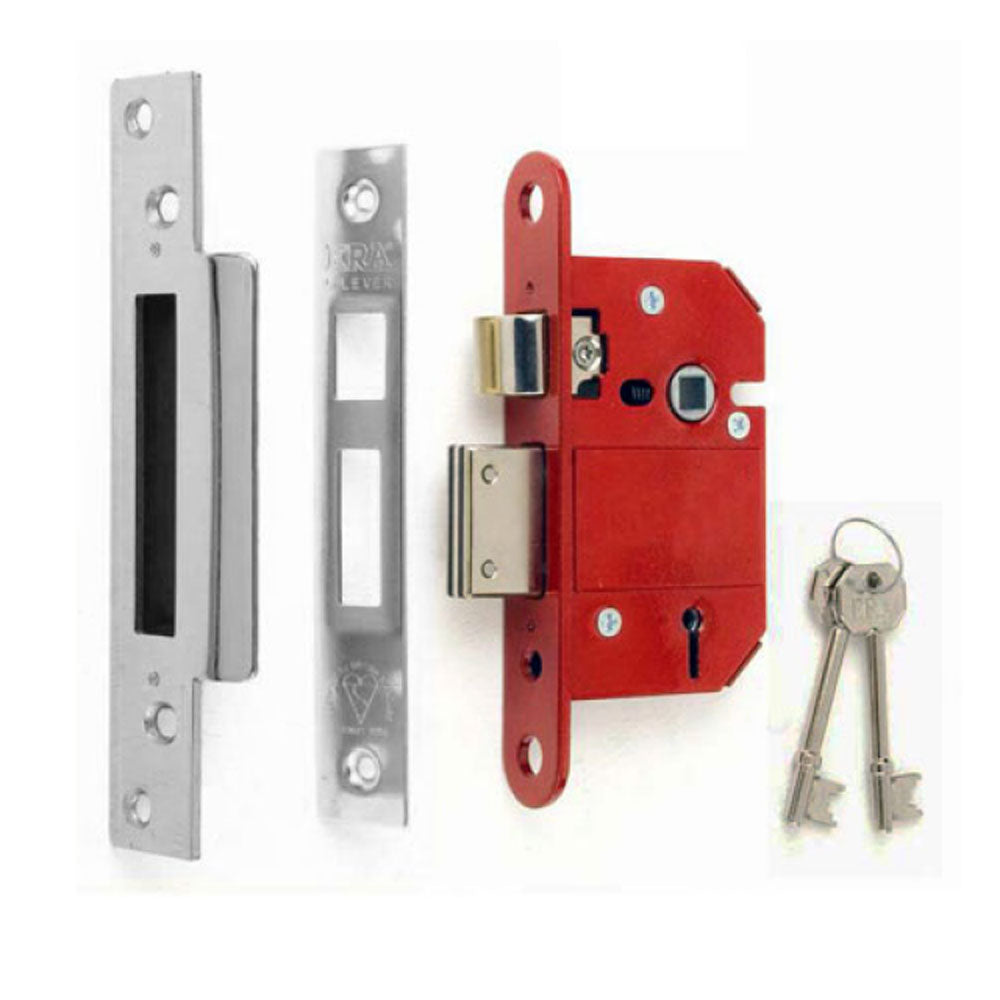
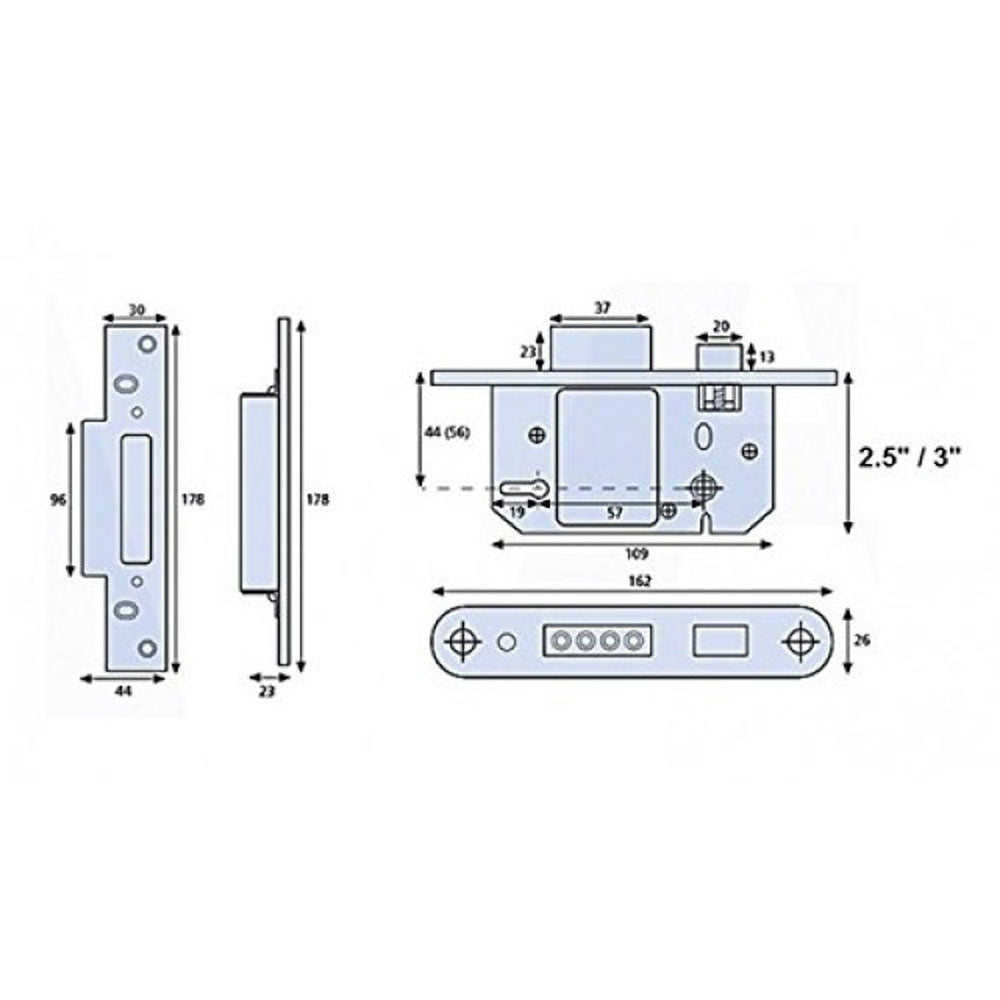
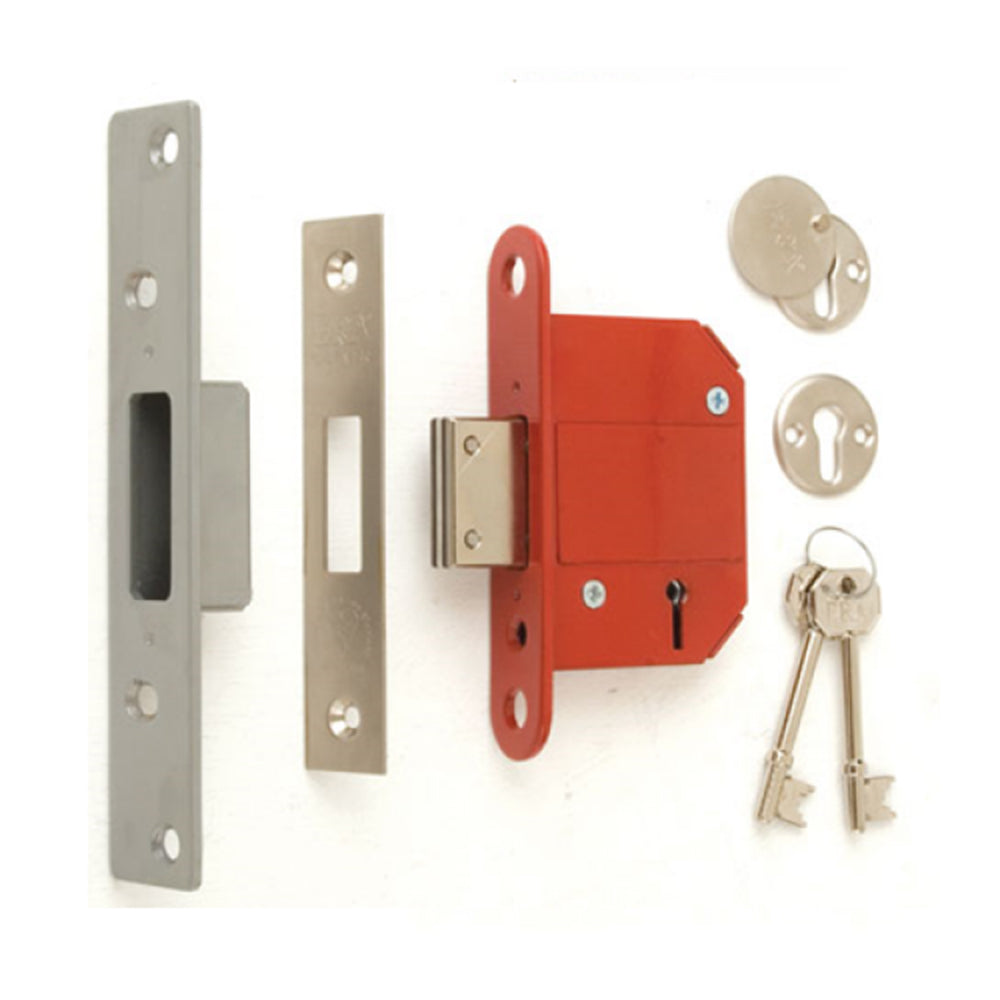
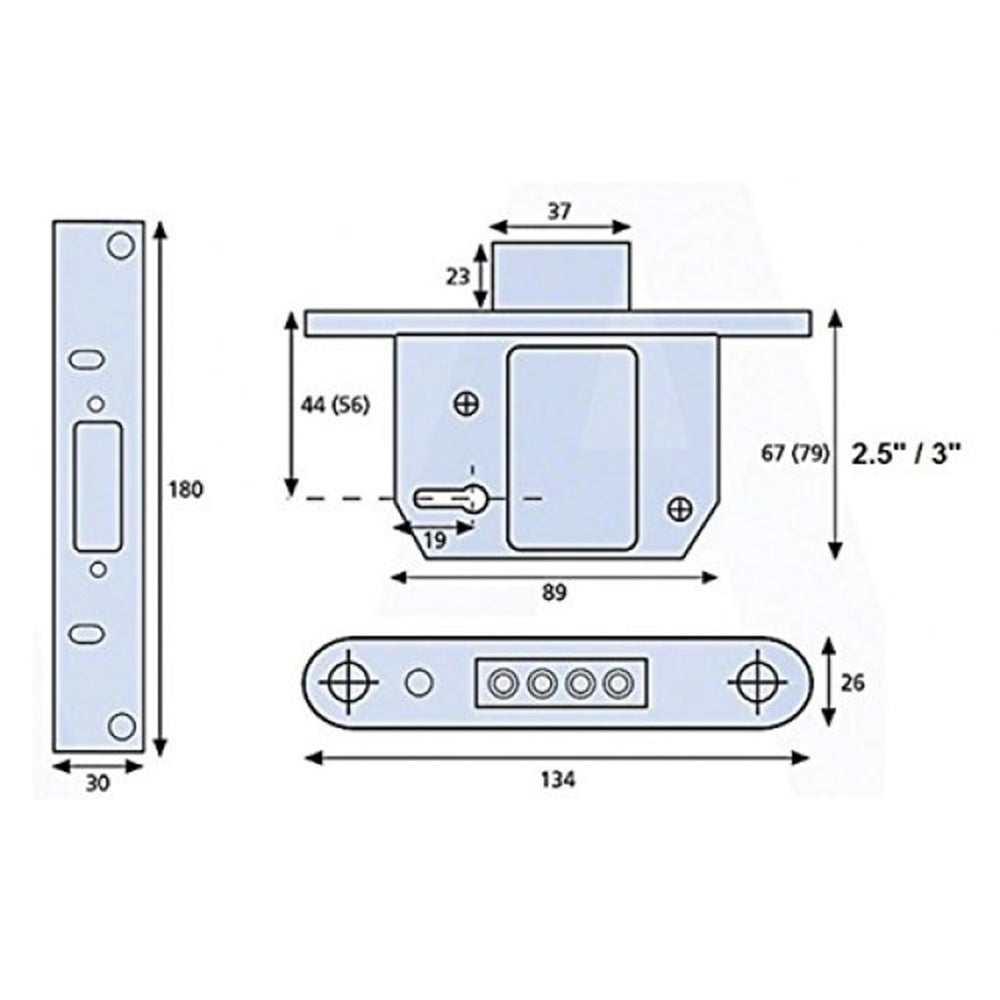
Check out the featured products from this article below 👇 Including ERA Fortress 5 Lever Mortice Deadlock (British Standard)