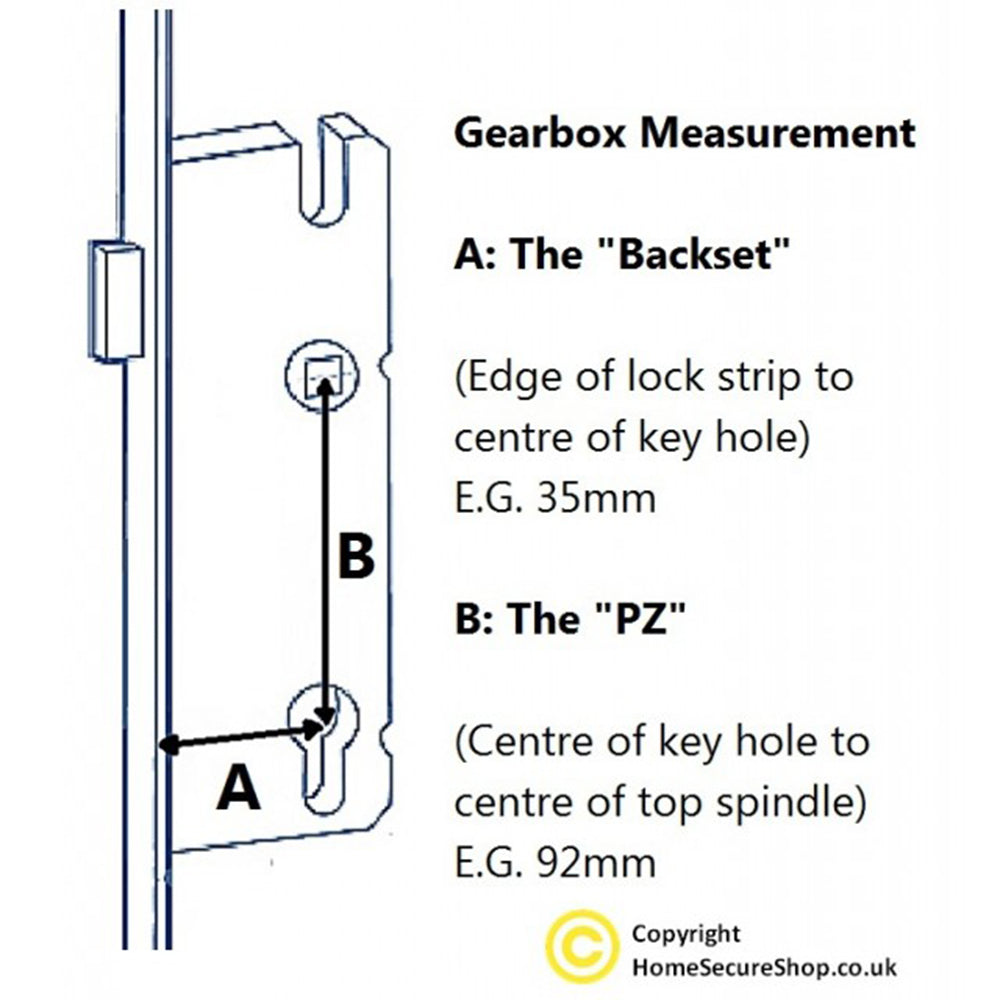
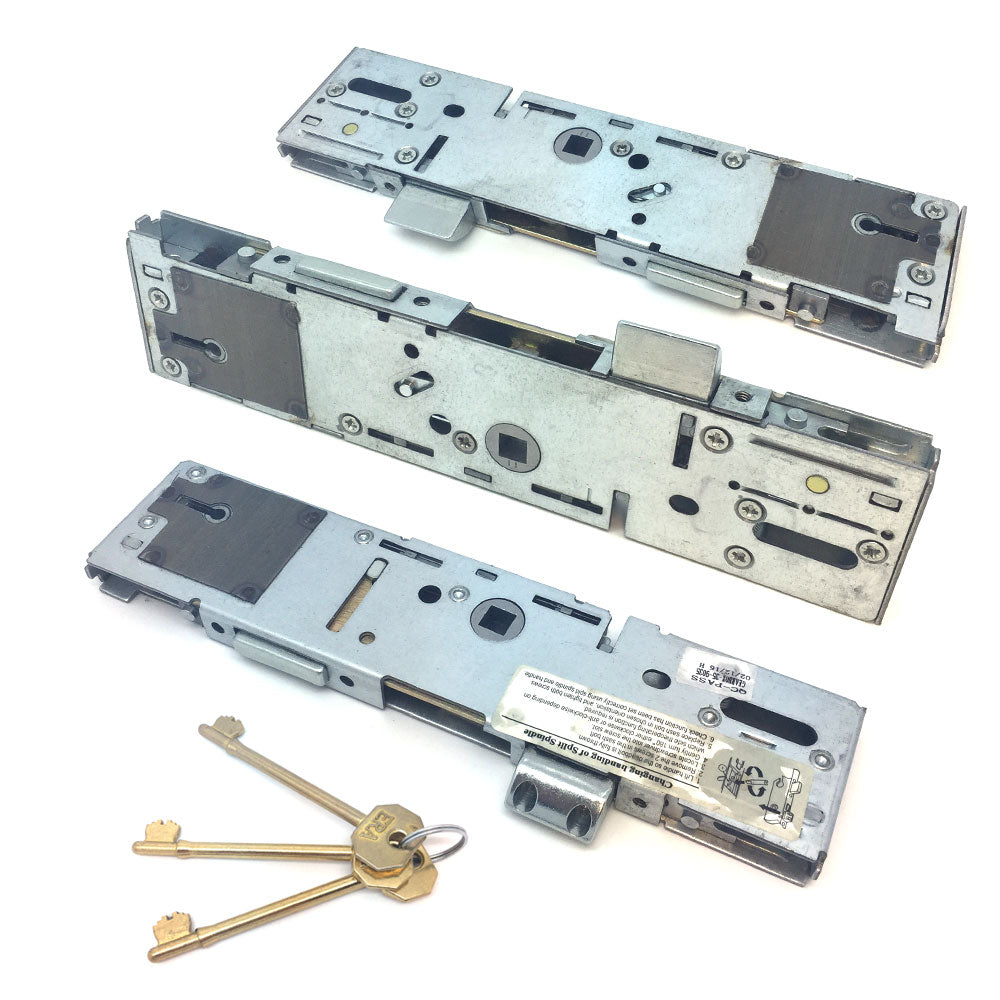
When a door suddenly won’t lock or unlock, it can feel frustrating and confusing. Most people assume the key is at fault, or the handle has worn out. But on many uPVC, composite, and aluminium doors, the real issue is much less obvious: a worn gearbox hidden inside the lock.
This small component is responsible for most of the internal movement in a multipoint lock. And when it begins to fail, it usually does so quietly. No dramatic snap—just small, subtle signs that often go unnoticed until the door stops working altogether.
Let’s break down what actually happens, why gearboxes wear out, and how you can spot the problem before your lock gives up completely.
What Exactly Is a Door Gearbox?
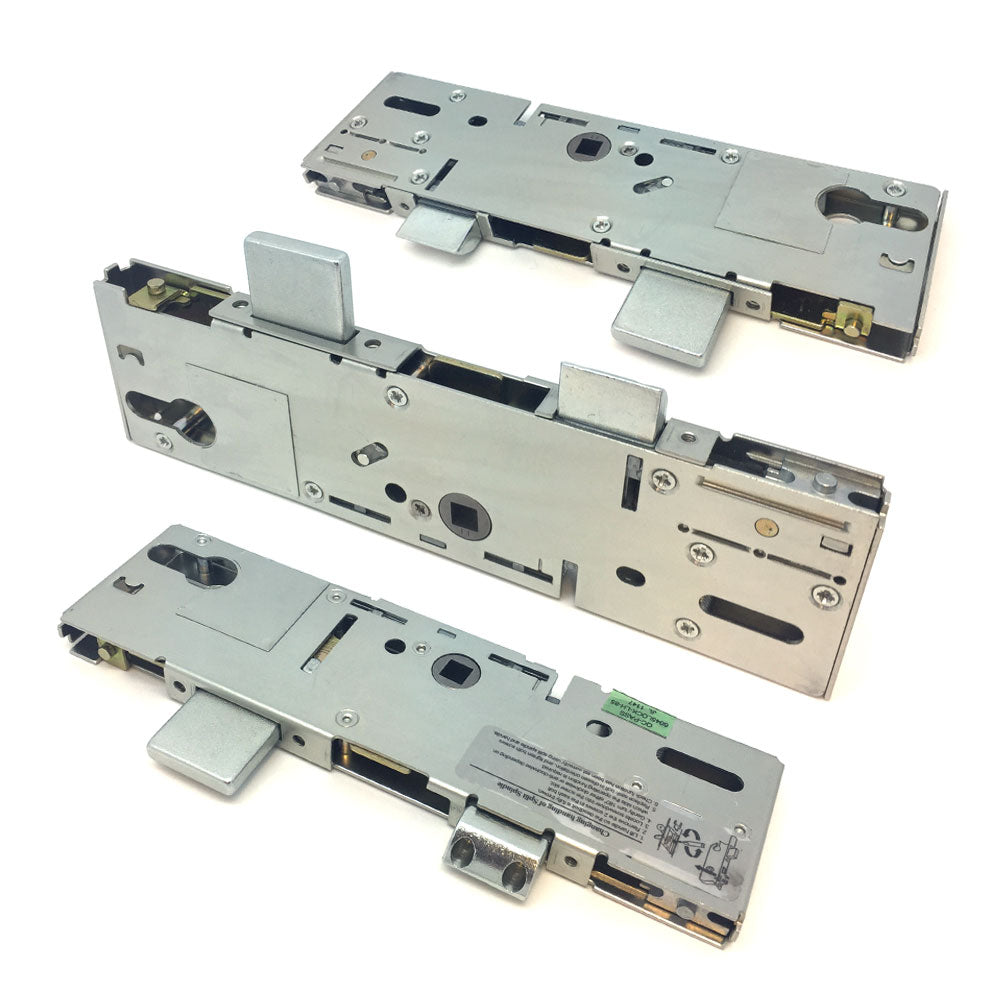
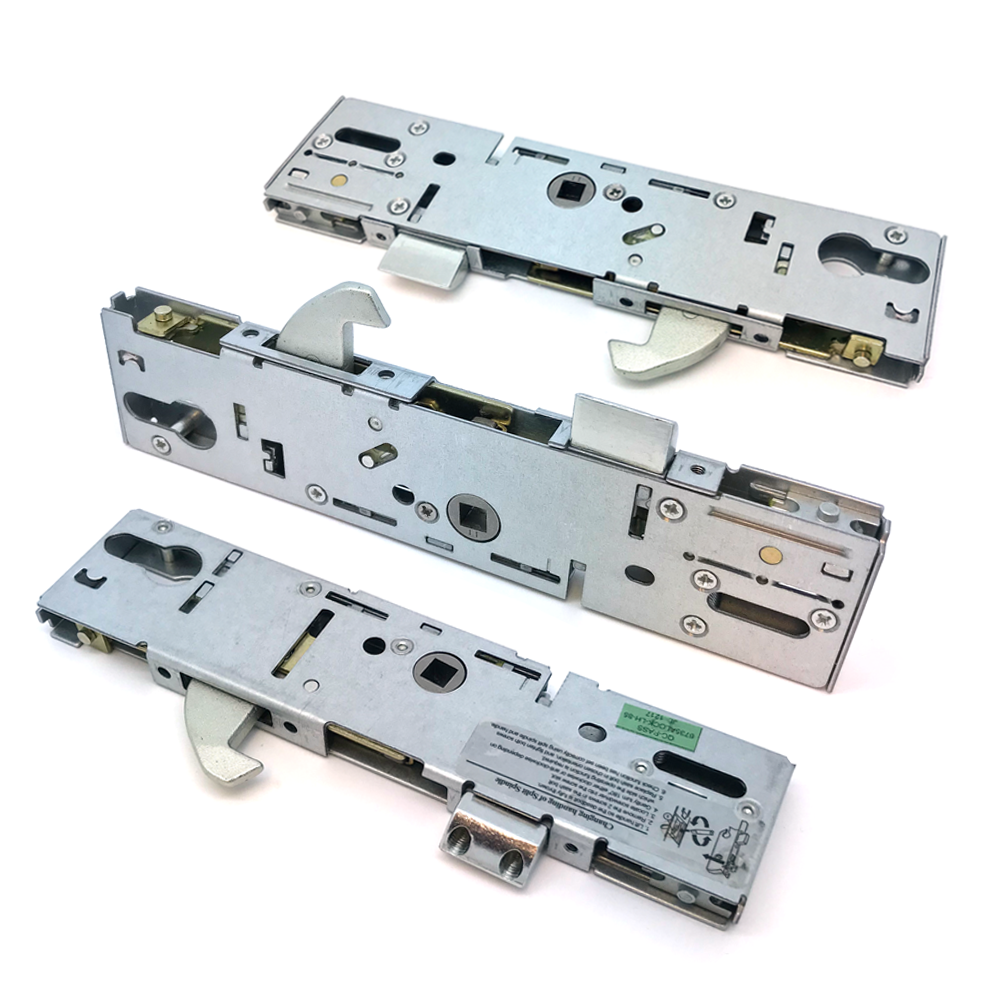
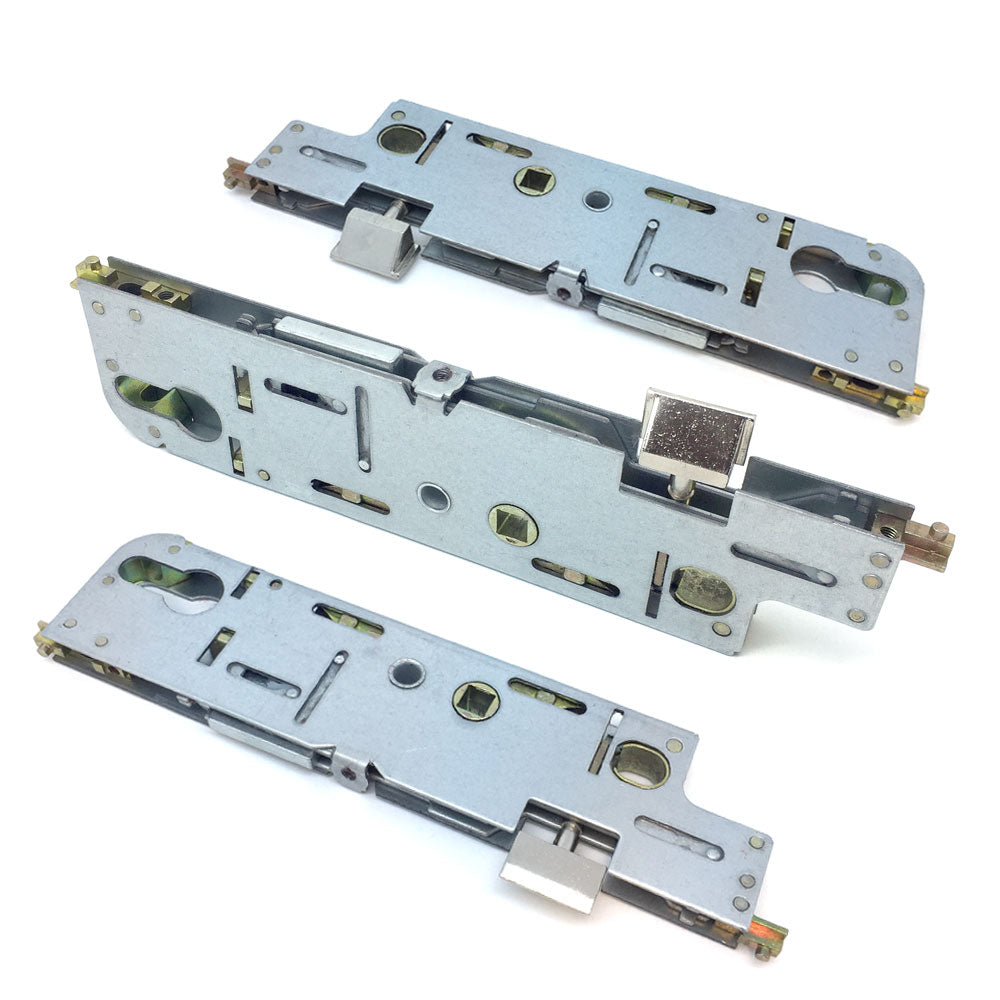
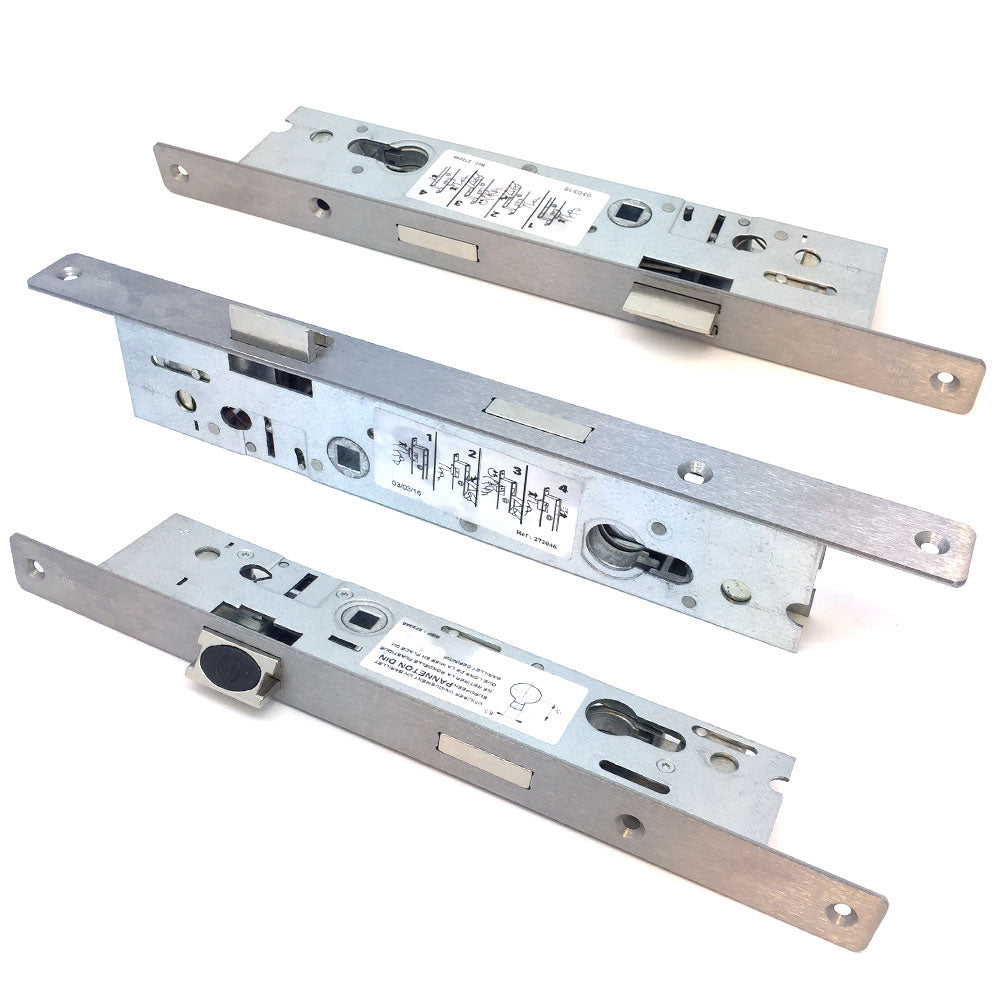
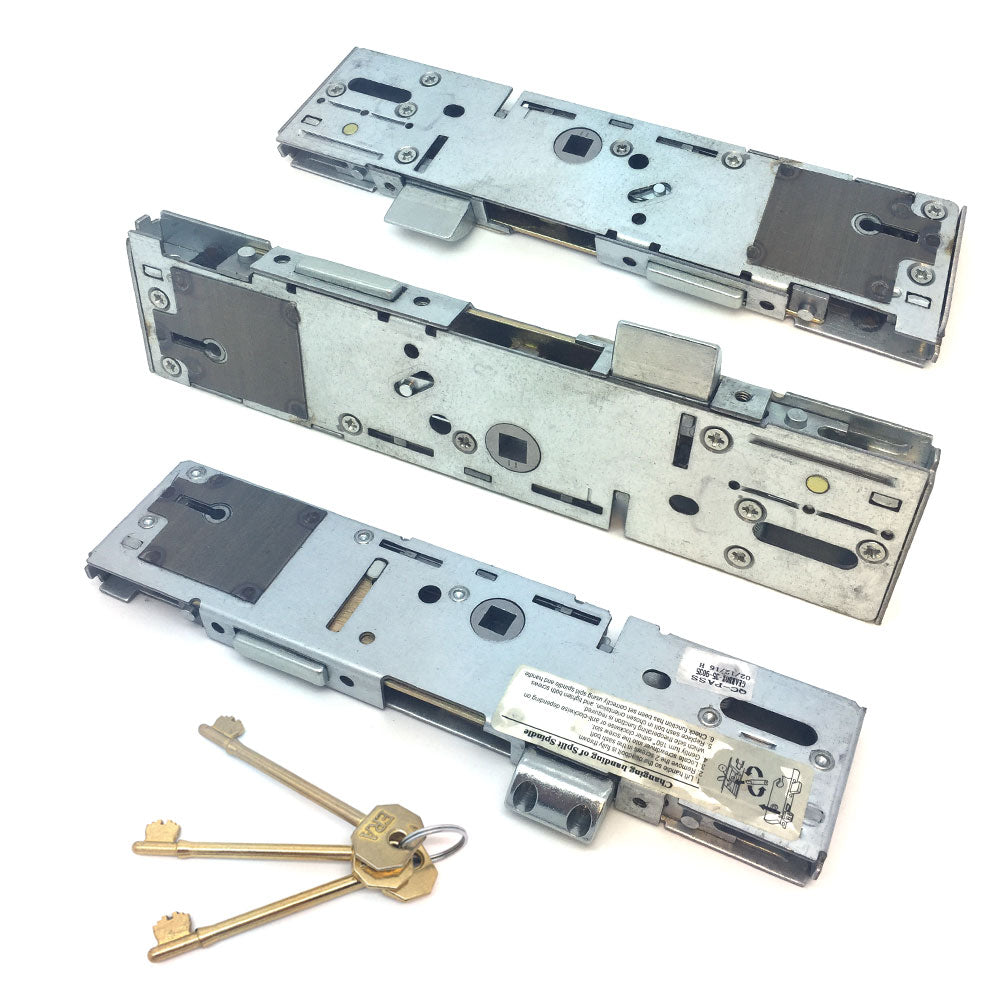
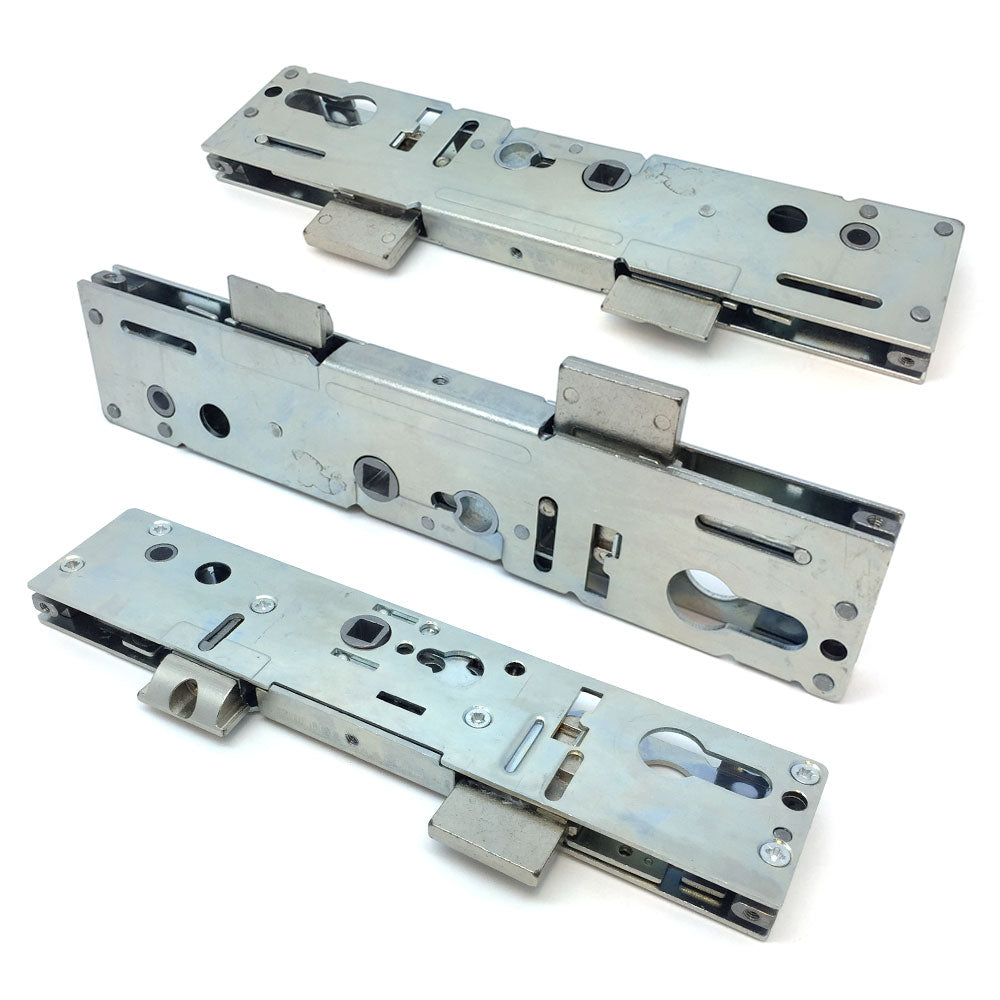
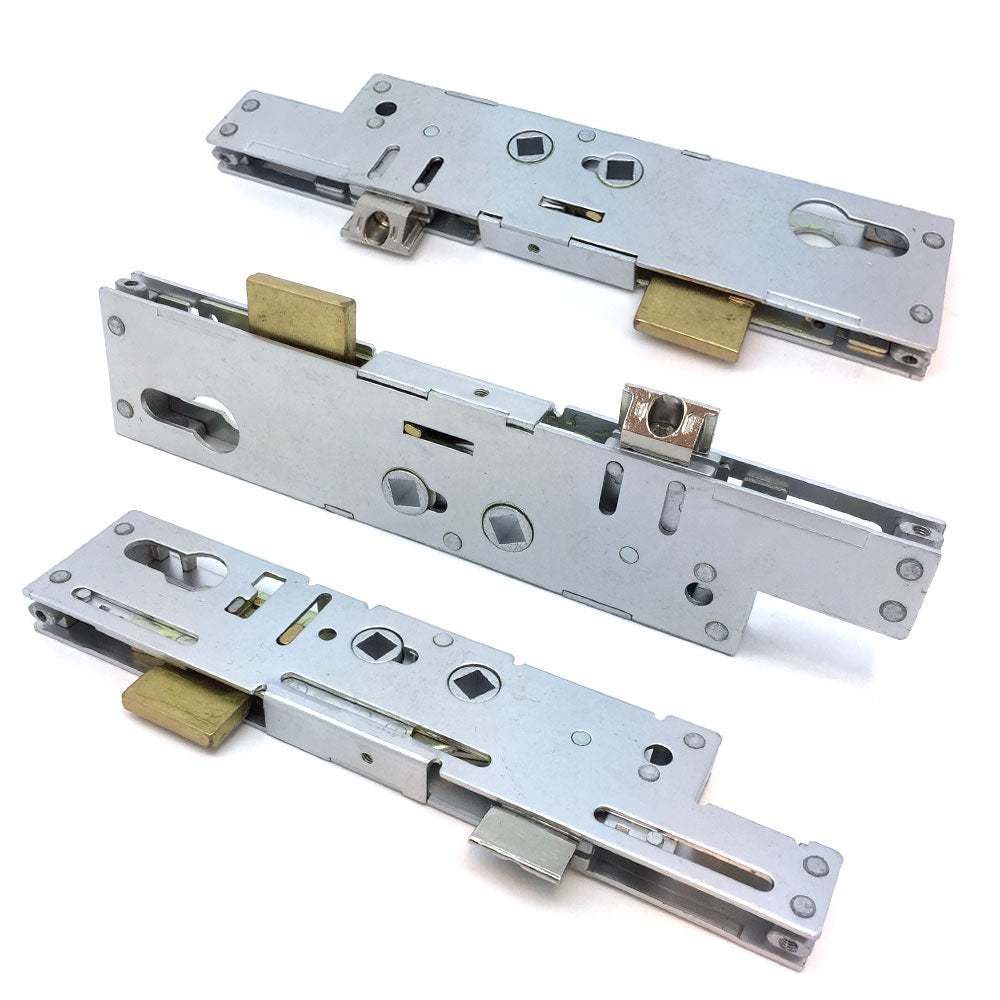
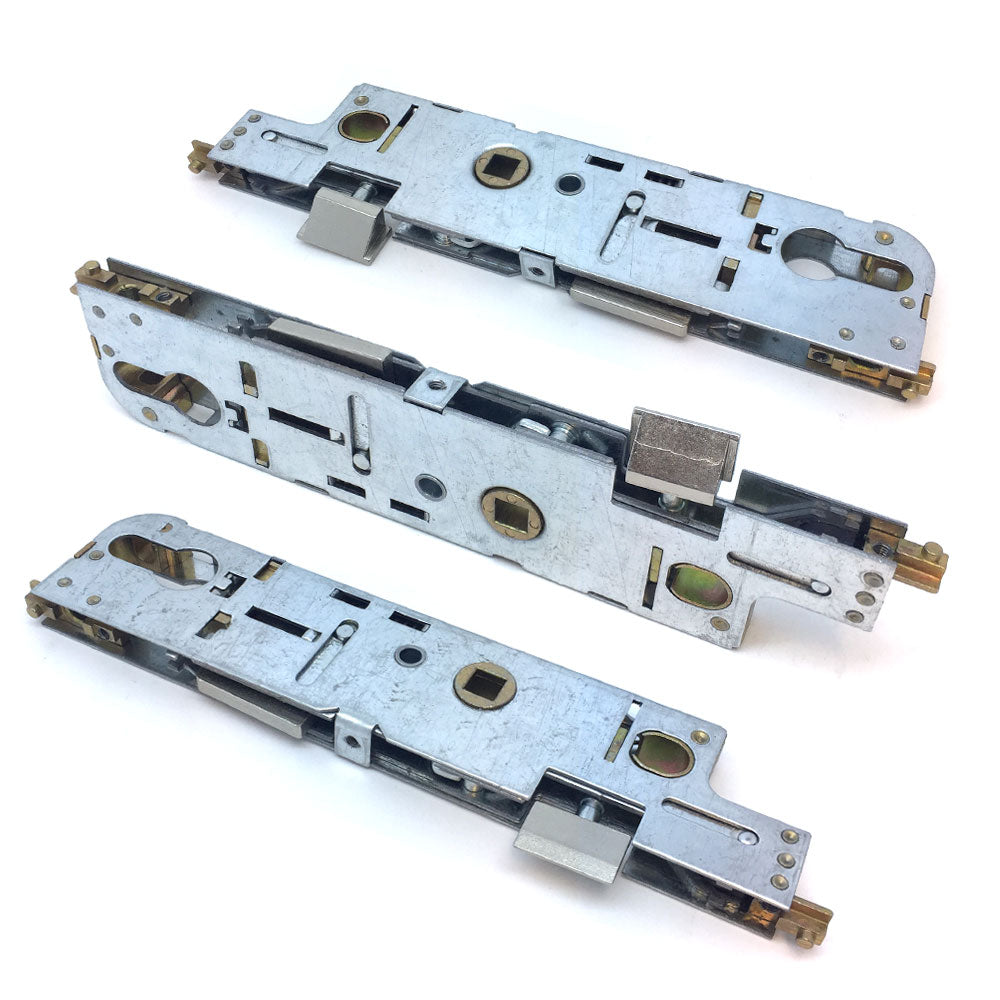
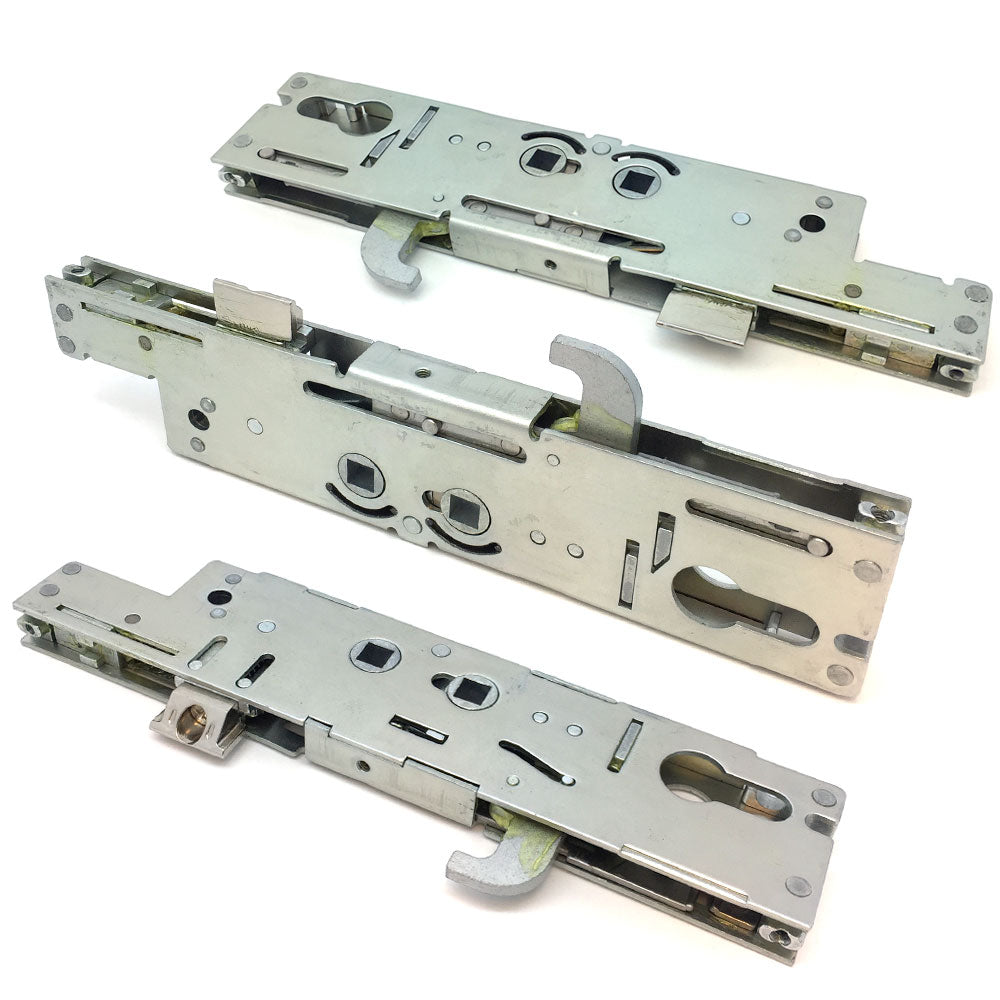
Inside most multipoint locking systems, the gearbox acts almost like the “central brain.” When you lift the handle or turn the key, it transfers that movement through the system, allowing the latch, hooks, rollers, and bolts to move together.
Explore replacement uPVC door gearboxes →

Because the gearbox controls the movement of so many locking points, even minor wear can disrupt the whole mechanism. This is why early issues—like stiffness or hesitation—often hint at gearbox fatigue long before the lock fails.
Why Gearboxes Wear Out Over Time
Even well-made gearboxes won’t last forever. Here are the most common reasons they begin to fail:
1. Everyday Use
Every lift of the handle and turn of the key adds a tiny bit of wear. Over thousands of uses, the gears simply start to wear down.
2. Lack of Lubrication
When lubrication dries out, friction increases. That friction speeds up wear and can cause grinding or sticking inside the lock.
3. Door Misalignment
A door doesn’t need to move much to cause problems. Even a few millimetres of drop or twist can add extra pressure to the gearbox every time you operate the handle.

How Weather and Seasonal Changes Affect Lock Mechanisms
In addition to wear, alignment issues, and weather effects, it’s helpful to understand the standards that door locks are originally designed to meet. The British Standards Institution (BSI), the UK’s national standards body, sets the benchmarks for how secure and reliable modern door hardware must be—covering everything from durability testing to mechanical performance. These standards ensure that components like gearboxes are engineered to cope with years of daily use, but once factors like misalignment or lack of lubrication come into play, even a high-quality, standards-compliant mechanism can begin to struggle. For more insight into how these UK standards influence door and lock performance, visit: https://www.bsigroup.com/en-GB
Lower-Quality Components Wear Faster
Some older or lower-cost locks use plastic or softer metal gears. These parts tend to wear out much quicker than modern steel and reinforced replacements. If your lock is aging or originally built with budget components, upgrading to a sturdy replacement—like those in the Home Secure Shop range—can make a noticeable difference.
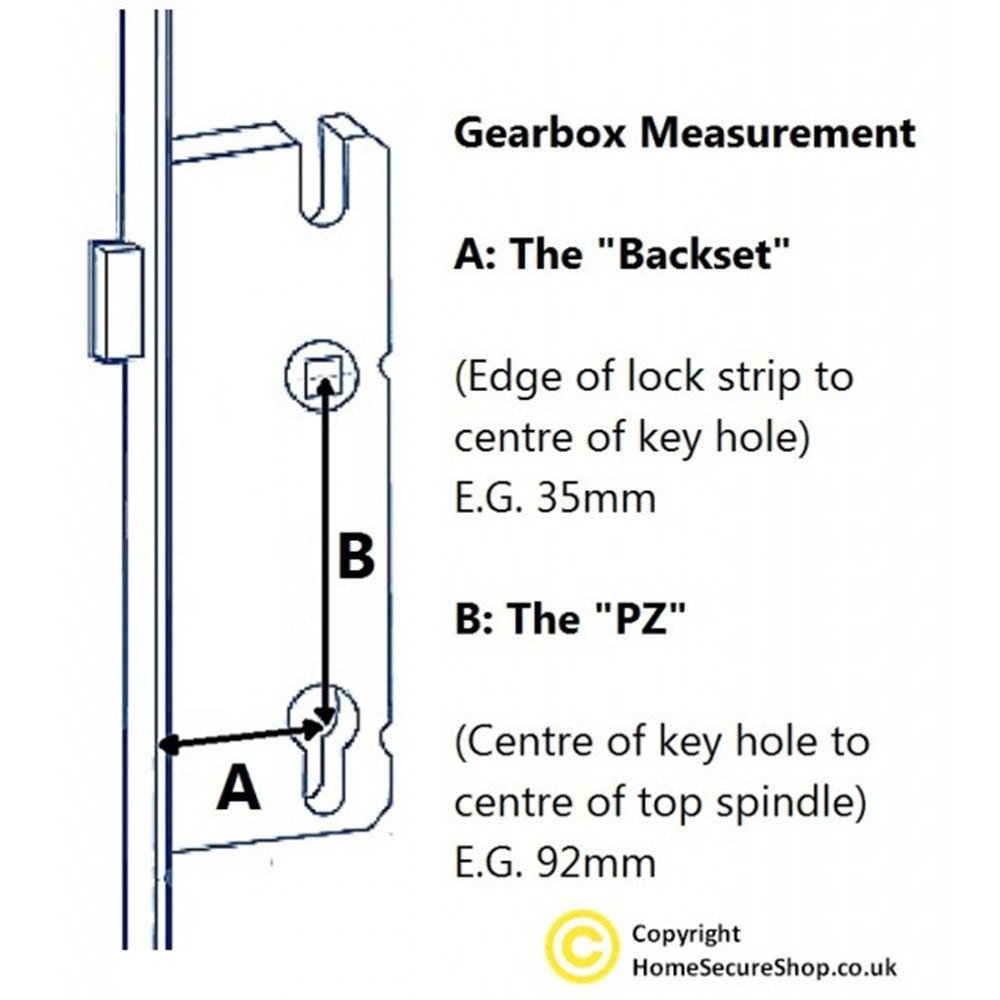
Browse compatible gearbox replacements here →
Early Signs Your Gearbox Is Wearing Out
Gearboxes rarely fail without warning. Look out for:
-
A handle that feels stiff, loose, or unusually heavy
-
A key that turns but doesn’t seem to “catch” anything
-
More force needed to lift the handle
-
Faint clicking or grinding noises
-
Hooks or bolts that don’t fully engage
-
A handle that spins freely
If you notice any of these symptoms, it’s worth checking the gearbox before the lock stops working entirely.

What Happens When a Gearbox Completely Fails?
Once the gearbox gives out, the lock usually stops working altogether. Common issues include:
-
The door won’t unlock
-
The door won’t lock
-
The mechanism jams halfway
-
The handle stops engaging
-
The key turns without moving anything
At this point, replacing the gearbox is normally the only solution.
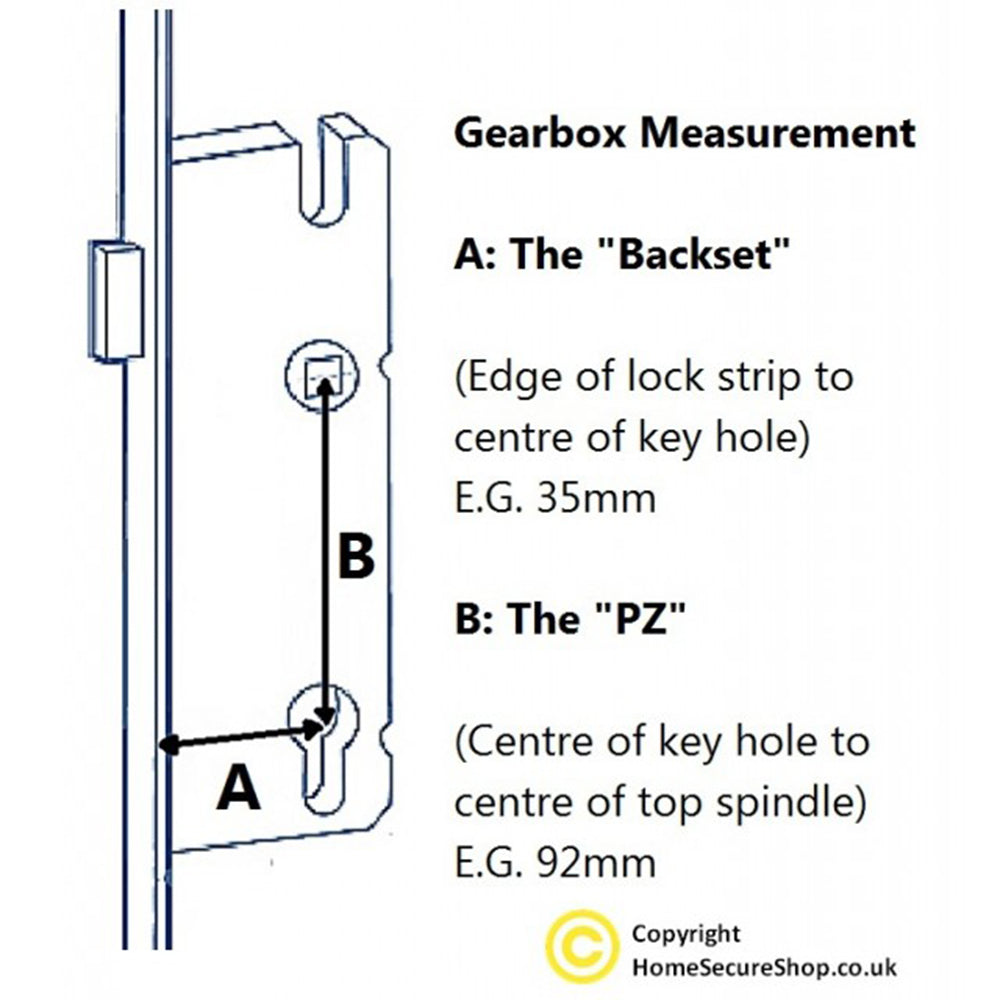
Find the correct replacement gearbox for your door →
Frequently Asked Questions
1. Can I fix a worn gearbox myself?
Most gearbox issues require replacing the centre case. DIY installation is possible, but professional help is recommended if you’re unfamiliar with door mechanisms.
2. How long should a gearbox last?
On average, 8–12 years depending on usage, door alignment, and weather exposure.
3. My door only becomes stiff in winter—is that normal?
Yes. Cold weather can contract metal parts and misalign the door slightly, placing extra stress on the gearbox.
4. Is replacing the entire lock necessary?
Usually not. In many cases, only the centre gearbox needs replacing, not the entire multipoint strip.
Final Thoughts
A worn gearbox often starts with small, barely noticeable symptoms—but those small issues can quickly lead to a complete lock failure if they’re ignored.
Regular maintenance, keeping an eye on changes in handle or key movement, and choosing high-quality replacement parts can all help your lock operate smoothly for years. Addressing early signs of wear is always easier (and far cheaper) than dealing with a full breakdown.
Check out the featured products from this article below including the GU Old Type Door Lock Centre Case