
uPVC (unplasticized polyvinyl chloride) is widely used for windows, doors, cladding, and frames because of its durability, low maintenance, and resistance to weathering. However, even the best uPVC products can fail prematurely if they’re installed incorrectly—especially when self-tapping screws are involved.
The physical properties of uPVC—such as rigidity and thermal expansion—are outlined by industry bodies like the British Plastics Federation, which is why correct fixing methods are critical for long-term performance.
Choosing the correct fixings is just as important as proper technique. Using high-quality self-tapping screws for uPVC installations can significantly reduce installation issues and improve durability.
1. Using the Wrong Type of Self-Tapping Screw
Not all self-tapping screws are suitable for uPVC. A common mistake is using general-purpose or metal-only screws instead of fixings designed specifically for plastic profiles.
Why it’s a problem:
-
Incorrect thread geometry places stress on the uPVC
-
Poor coatings can cause corrosion and staining
-
Aggressive threads may crack the profile
What to do instead:
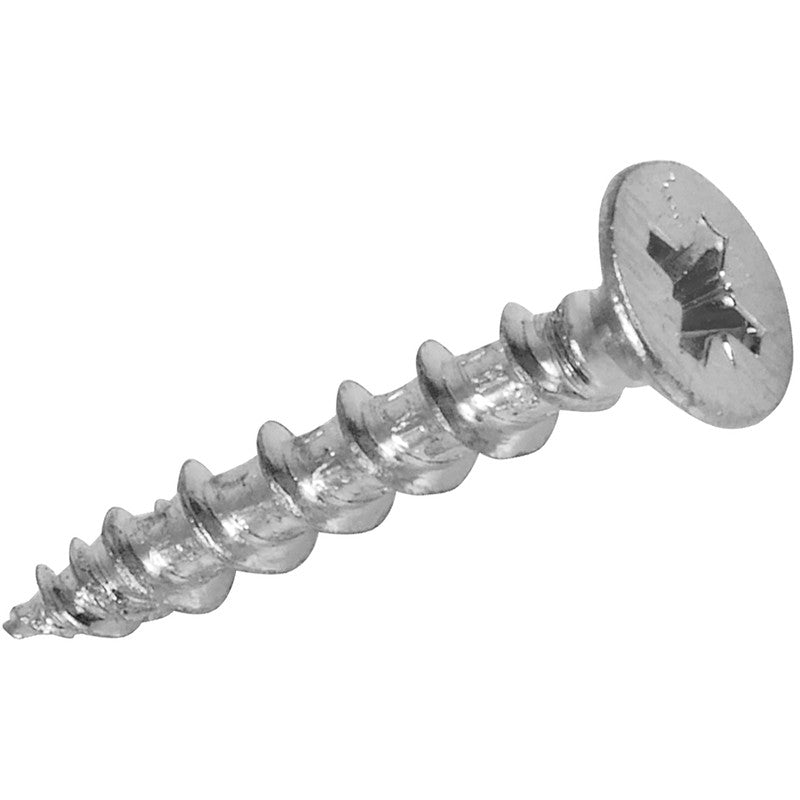
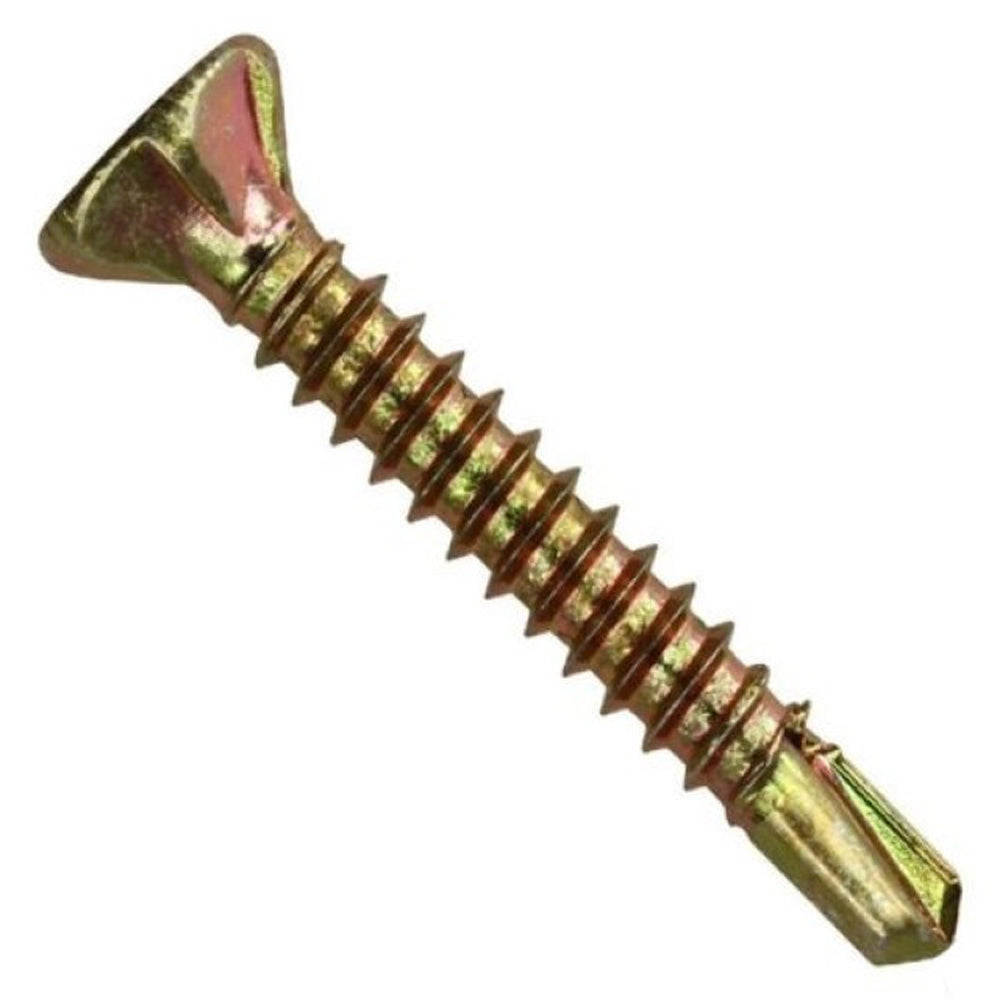
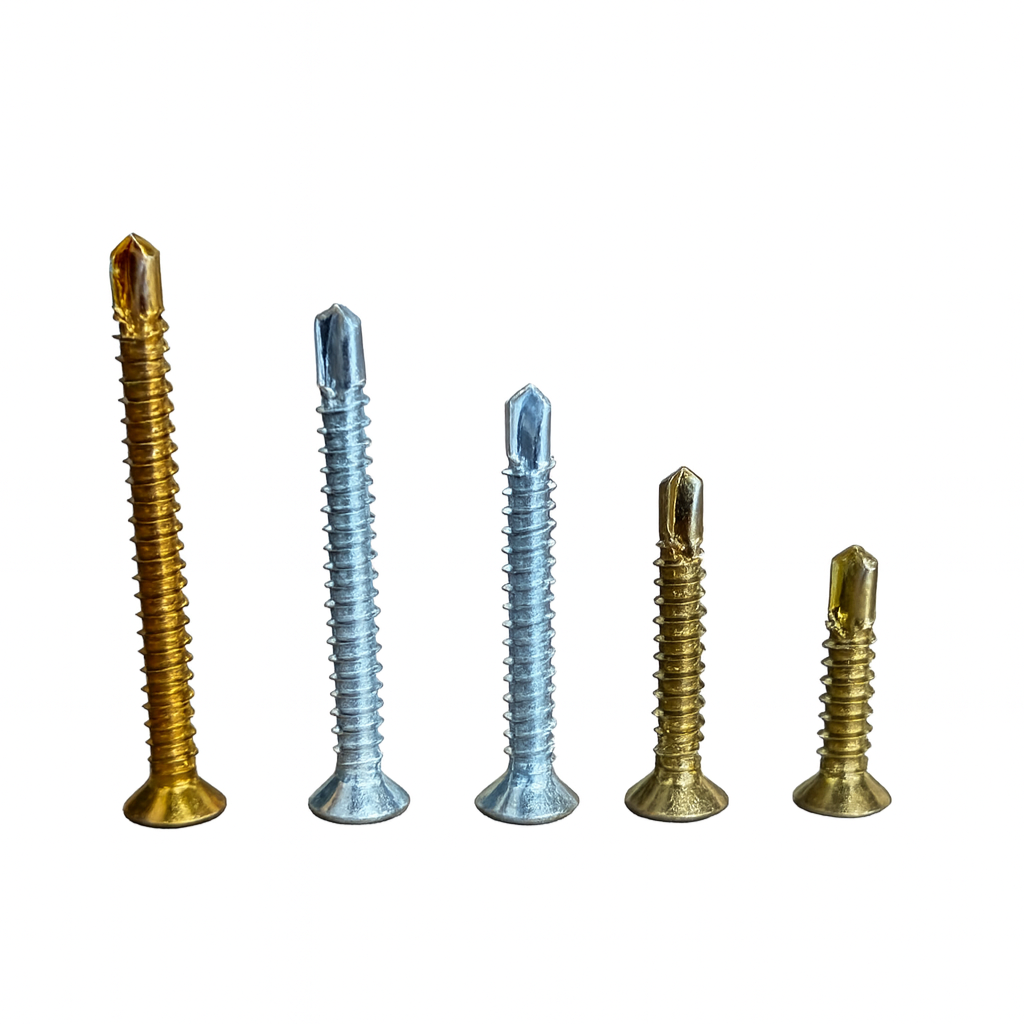
Always choose fixings engineered for uPVC, such as these uPVC-compatible self-tapping screws, which provide clean penetration and reliable holding strength.

2. Over-Tightening the Screws
Over-tightening is one of the quickest ways to damage uPVC frames. Because uPVC expands and contracts with temperature changes, fixings must allow controlled movement.
Why it’s a problem:
-
Can distort or crack the frame
-
Restricts expansion and contraction
-
Causes long-term stress fractures
What to do instead:
Tighten screws until secure, not forced. Using quality fixings from Home Secure Shop alongside correct torque control helps prevent over-compression.

3. Ignoring Expansion and Contraction Gaps
uPVC naturally expands in heat and contracts in cold conditions. Failing to allow for this movement is a major installation error.
Why it’s a problem:
-
Bowing or buckling in warm weather
-
Fixings loosening over time
-
Cracks forming around screw holes
What to do instead:
Allow adequate clearance and avoid rigid fixing. Screws designed specifically for uPVC help reduce stress around fixing points.
4. Incorrect Screw Placement and Spacing
Poor spacing or placing screws too close to edges can weaken the installation and affect appearance.
Why it’s a problem:
-
Increased cracking near edges
-
Uneven load distribution
-
Poor overall finish
What to do instead:
Follow recommended fixing distances and maintain consistent spacing throughout the profile.
5. Skipping Pilot Holes When Required
Although self-tapping screws are designed to cut their own threads, pilot holes may still be needed in thicker profiles or colder conditions.
Why it’s a problem:
-
Increased resistance when driving screws
-
Higher risk of splitting
-
Reduced accuracy
What to do instead:
Drill a small pilot hole where required to reduce stress and ensure clean, precise fixing.
Choosing the Right Screws for uPVC Installations
Avoiding installation mistakes starts with selecting the correct fixing for the job. If you’re unsure which screws are best for uPVC windows and doors, this guide explains the key options.
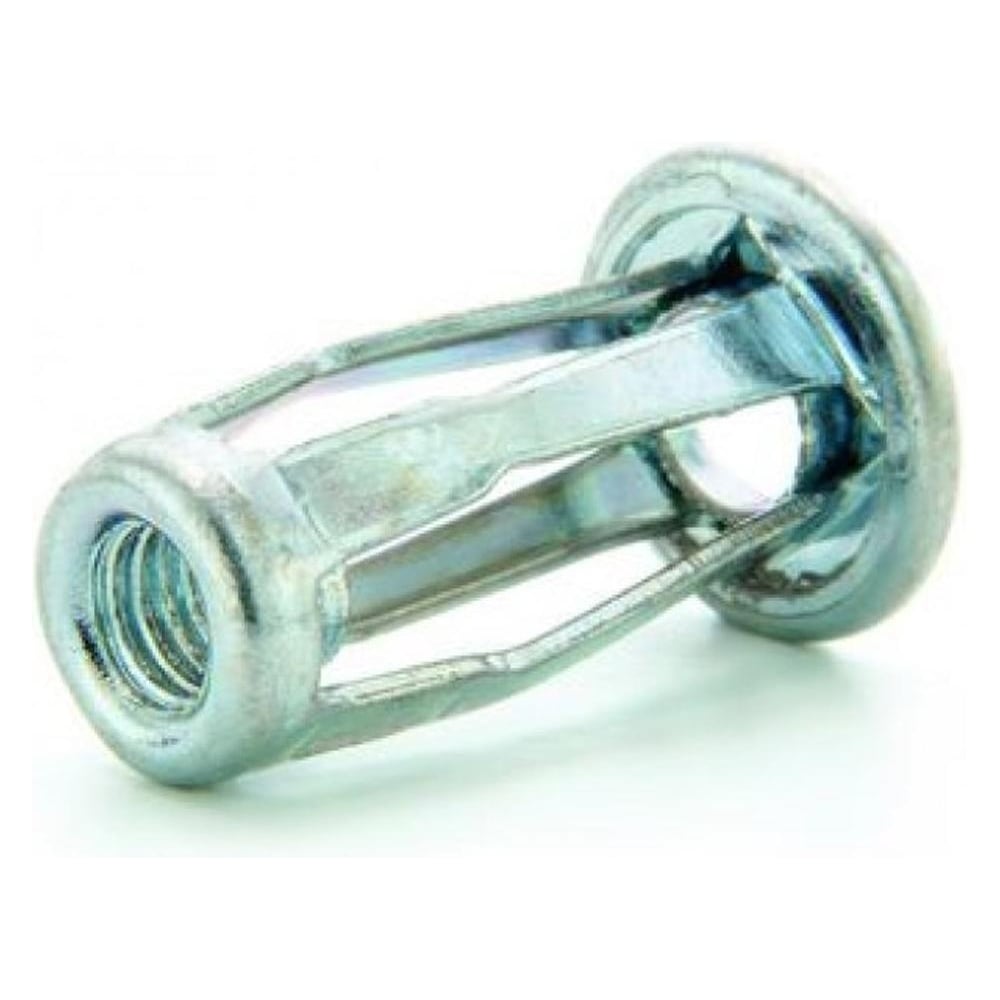
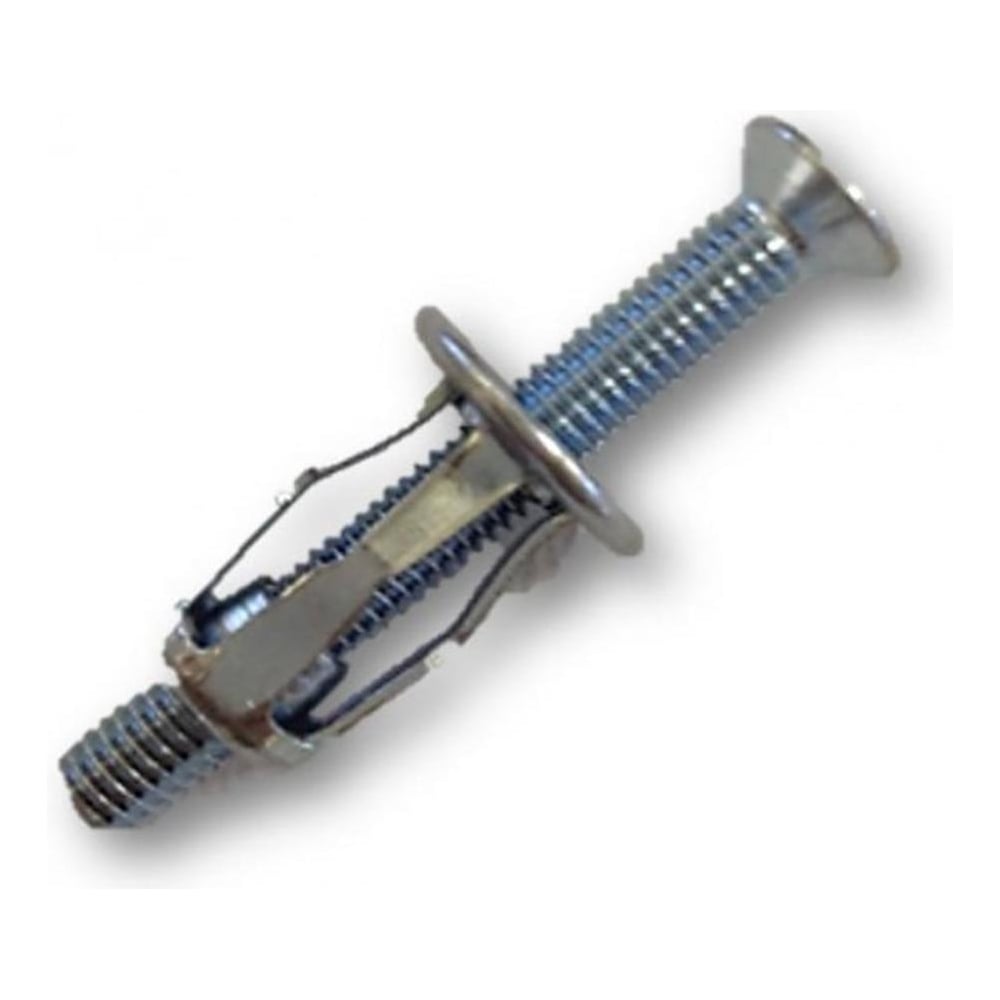
It covers self-tapping screws, repair screws, and jack nut fixings, outlining where each should be used and why correct selection matters for secure, compliant installations. You can read more here to improve fixing choices on both new and replacement projects.
Related Tips for Long-Lasting uPVC Installations
Installing uPVC with self-tapping screws may seem straightforward, but small mistakes can lead to costly repairs and reduced lifespan. By selecting the right fixings, tightening correctly, allowing for movement, and following best practices, you can achieve a strong, professional result.
Using trusted fixings—such as screws designed for uPVC installations helps ensure consistent performance and long-term reliability.
Check out the featured products from this article below 👇