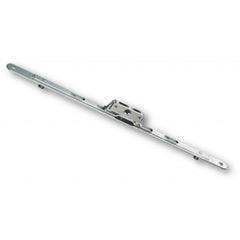
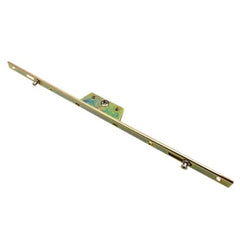
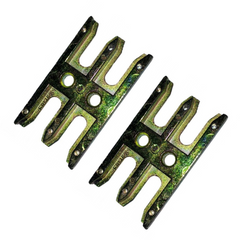
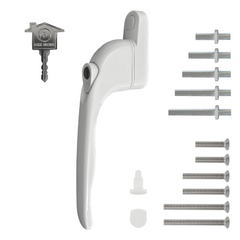
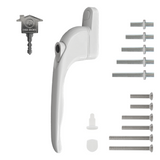
Windows are designed to open smoothly, lock securely, and seal tightly. When the internal window mechanism begins to fail, these everyday functions are often the first to suffer. Over time, this can lead to drafts, reduced security, and even permanent damage to the window itself.
This guide explains the most common warning signs of a failing window mechanism, how to identify the correct replacement, and how to fit it properly—helping you restore full performance without replacing the entire window.
Common Signs Your Window Mechanism Is Failing
1. The Window Is Hard to Open or Close
If opening or closing your window requires noticeable force, the internal mechanism is likely worn or misaligned. This issue is particularly common in uPVC casement windows, where espagnolette locks are used frequently and gradually degrade over time.
In most cases, stiffness is caused by internal wear rather than a problem with the frame itself. Guidance from the Royal Institution of Chartered Surveyors explains that window fittings are common wear items in residential properties and should be checked as part of routine home maintenance to prevent operational failure.
You can read more in their window maintenance guidance: RICS window maintenance guidance
When left unresolved, resistance in the mechanism can place additional strain on handles and locking points. Replacing the internal mechanism early often restores smooth operation and prevents further damage. A wide range of suitable replacement options is available in the Home Secure Shop window mechanisms collection.

2. The Handle Spins or Feels Loose
A handle that turns without resistance or fails to engage the lock is usually a sign of a broken gearbox inside the window mechanism.
When this happens, the internal drive can no longer connect the handle to the locking cams, meaning the window may appear closed but is not actually secure. In most cases, this indicates the window mechanism needs replacing rather than the handle alone.
3. The Window Won’t Stay Open
Windows that drop shut or fail to hold their position are often affected by worn friction stays or internal balance mechanisms. This problem is more than just inconvenient—it can pose a safety risk, particularly on upper floors or in homes with children.
Understanding whether your window relies on friction stays or locking gear is essential when sourcing the correct replacement parts.
4. Drafts or Rattling Even When Closed
If a window rattles or allows cold air through despite being locked, the mechanism may no longer be pulling the sash tightly against the frame.
Worn locking points reduce the effectiveness of the seal, leading to heat loss and reduced comfort. Replacing the mechanism can restore proper compression and improve energy efficiency. If you’re unsure where to begin, browsing compatible window mechanism options can help narrow down the correct solution Browse window mechanism replacement options.

5. Grinding Noises or Visible Wear
Grinding, clicking, or squeaking noises are clear indicators of internal wear or corrosion. Once these symptoms appear, replacement is usually more reliable and cost-effective than attempting a repair.
What Window Mechanism Should You Buy?
Before purchasing a replacement, it’s important to identify the type of window locking mechanism fitted to your window. Removing the old mechanism and matching it like-for-like is often the safest and most accurate approach.
For a detailed breakdown of mechanism types and how they work, Home Secure Shop’s article on friction stays, espagnolette locks, and window gear systems provides helpful background information that complements this Guide to friction stays and espagnolette window mechanisms
For uPVC Casement Windows
-
Espagnolette (espag) window locks
-
Correct backset measurement
-
Overall strip length
-
Mushroom or roller cams
For Tilt-and-Turn Windows
-
Brand-specific gear systems
-
Correct handing (left or right)
-
Matching handle position
For Sliding or Hung Windows
-
Spiral or channel balances
-
Correct weight rating
-
Accurate length measurement
All compatible parts can be found in the Home Secure Shop window mechanism collection, making it easier to match measurements and specifications accurately.
View the full window mechanism collection

Step-by-Step Guide to Replacing a Faulty Window Mechanism
Step 1: Identify the Window Type
Confirm whether the window is casement, tilt-and-turn, or sliding, as this determines the type of mechanism required.
Step 2: Remove the Handle
Unscrew and remove the handle to expose the internal mechanism.
Step 3: Remove the Old Mechanism
Open the window fully, unscrew the mechanism from the sash, and slide it out carefully.
Step 4: Measure and Match
Measure the backset, length, spindle size, and cam type before ordering a replacement.
Step 5: Install the New Mechanism
Insert the new mechanism, align it with the fixing holes, and secure it without overtightening.
Step 6: Refit the Handle and Test
Reattach the handle and test the window to ensure smooth operation, secure locking, and a tight seal.
Protecting Your Home with the Right Window Mechanism
Window mechanisms naturally wear over time, particularly in frequently used windows. Recognizing early warning signs and replacing worn components promptly helps maintain security, improve energy efficiency, and restore ease of use—without the cost of full window replacement.
Routine maintenance and timely upgrades also reduce the risk of secondary damage to handles, frames, and locking points, extending the overall lifespan of your windows.
Check out the featured products from this article below 👇