Your front door is supposed to keep intruders out. But for thousands of UK homeowners every year, the letterbox — a small, often overlooked opening — becomes the entry point for theft, antisocial behaviour, and even arson.
Letterbox fishing is one of the fastest-growing methods of burglary in the UK, and most people don't realise they're vulnerable until it's too late. In this guide, we'll explain exactly what letterbox fishing is, how criminals do it, and — most importantly — what you can do to stop it.
What Is Letterbox Fishing?
Letterbox fishing is a method of theft where a criminal pushes a tool — usually a long hook, rod, or wire — through your letter plate to reach items inside your hallway. The name comes from the "fishing" motion used to snag keys, wallets, handbags, or mail from nearby surfaces.
It's quick, quiet, and devastatingly effective. In many cases, the whole process takes less than 30 seconds.
The most common targets are car keys left on hallway tables or hung on hooks near the front door. Once a thief has your keys, they can unlock your car on the driveway without triggering an alarm — a method often referred to as "hook and cane" theft or "fishing for keys."

Why Is Letterbox Fishing So Common?
Several factors have made this method increasingly popular with opportunistic criminals:
It's low-risk and low-noise. Unlike smashing a window or forcing a lock, letterbox fishing produces almost no sound. Neighbours and passers-by are unlikely to notice anything unusual.
It's fast. A skilled thief can fish a set of keys from a hallway table in seconds, making it far quicker than picking a lock or snapping a euro cylinder.
It bypasses other security measures. Even if you've invested in a high-security anti-snap door lock, your letterbox still provides a direct physical opening into your home. Criminals know this — and they exploit it.
It's hard to detect. There's often no sign of forced entry, which can complicate insurance claims and leave homeowners confused about how a theft occurred.
What Are Criminals Actually Stealing?
The number one target is car keys. With keyless entry and push-to-start vehicles becoming standard, stealing the physical key fob is often enough to drive a car away without any further break-in.
But letterbox fishing isn't limited to car theft. Criminals also target:
- House keys — which can be used to return later and enter through the front door
- Mail and parcels — particularly bank cards, PIN letters, and identity documents
- Wallets, handbags, and phones — anything left within arm's reach of the door
- Identity documents — passports, driving licences, and utility bills used for fraud

The Arson Risk Most People Don't Think About
Letterbox crime isn't only about theft. An unprotected letter plate also creates a vulnerability to arson and antisocial behaviour.
Lit materials, fireworks, and accelerants can be pushed through an open letterbox — a risk that increases significantly during bonfire night, Halloween, and the darker winter months. Fire services across the UK have long highlighted letterbox arson as a serious concern for both occupied and vacant properties.
This is a particular issue for landlords, letting agents, and housing associations managing properties that may sit empty between tenancies. If you're a landlord, you're probably already thinking about upgrading your door locks — but letterbox security deserves equal attention.
How to Protect Your Home from Letterbox Fishing
The good news is that protecting yourself from letterbox crime is straightforward and affordable. Here are the most effective steps you can take, starting with the simplest.
1. Move Your Keys Away from the Door
This is the single most important habit to adopt. Never leave car keys, house keys, or valuables on a hall table, shelf, or hook within reach of the front door. Store them in a drawer, a key cabinet, or a room away from the entrance.
It costs nothing, takes no time, and eliminates the easiest opportunity for a letterbox thief.
2. Fit a Letterbox Security Cover
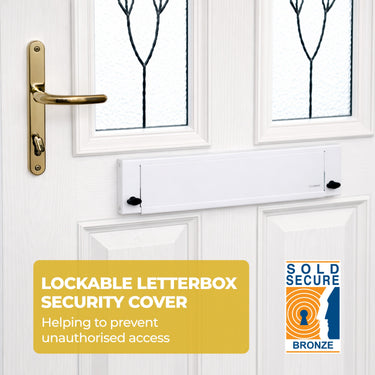
A lockable letterbox security cover is one of the most effective physical deterrents against fishing, arson, and unwanted items being pushed through your door.
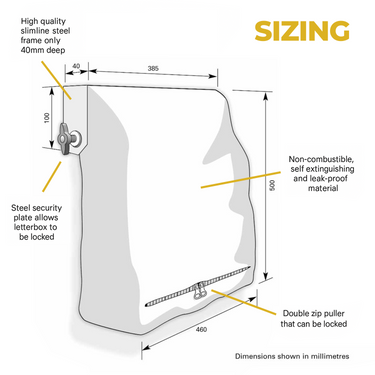
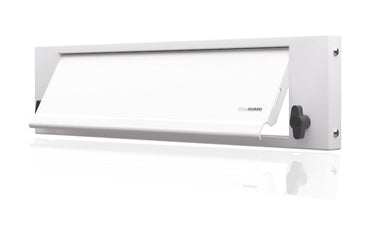
The FlapGUARD Lockable Letterbox Security Cover is designed specifically for this purpose. It's a steel cover that fits over the inside of your existing letter plate and locks in place with a simple turn knob. When locked, it creates a solid barrier that prevents anyone from reaching through the letterbox — while still allowing normal letters and small mail items to pass through a controlled opening.
FlapGUARD is independently tested and certified to the Sold Secure Domestic Bronze standard, giving you confidence that it meets recognised UK security benchmarks. It fits most standard UK letter plates and installs in minutes with just four screws — no specialist tools required.
If you're looking for a quick, affordable way to secure your letterbox without replacing the entire door or letter plate, this is one of the most practical options available.

👉 Browse the full Letterbox Security range
3. Consider a Letterbox Cage or Visor Guard
If a full locking cover isn't right for your setup, a letterbox visor guard or internal cage can still offer meaningful protection. A visor guard sits inside the door and prevents anyone from seeing — or reaching — through the letter slot, blocking the most common fishing techniques.
Home Secure's Letterbox Security collection includes visor guards and fire-retardant letterbox bags that work alongside or as alternatives to a locking cover.
4. Upgrade Your Letter Plate
Older or standard letter plates often have wide openings with minimal resistance, making fishing easier. Modern anti-vandal letterplates are designed with restricted openings, stiffer springs, and internal brush seals that make it much harder to push tools through.
If your current letter plate is old, worn, or loose, replacing it with a modern alternative is a worthwhile upgrade. Our guide to measuring your letterbox walks you through the sizing process step by step.
5. Strengthen Your Wider Door Security
Letterbox protection works best as part of a layered security approach. While you're addressing your letterbox, it's worth reviewing the rest of your front door setup:
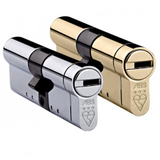
- Door lock: Is your euro cylinder up to modern standards? If it doesn't carry a TS007 3-star rating, it may be vulnerable to snapping. Our guide to TS007 door locks explains what to look for.
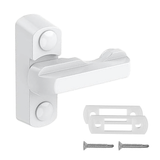
- Additional locks: Sash jammers add an extra layer of resistance to uPVC doors and windows for very little cost.
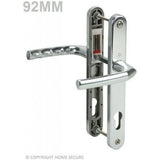
- Door handles: Worn or loose handles can affect how well your multipoint lock engages. If your uPVC door handles need replacing, that's a quick fix worth doing at the same time.
Thinking about a more comprehensive upgrade? Our blog on whether high-security door locks are worth it breaks down when upgrading makes sense — and when your current setup is already sufficient.
Who Should Be Most Concerned About Letterbox Security?
While anyone with a standard letter plate should take basic precautions, certain groups face a higher risk:
- Homeowners in urban or high-crime areas where letterbox fishing and car key theft are more prevalent
- Landlords and letting agents who need to secure properties between tenancies and reduce liability
- Residents of HMOs and shared buildings where front doors see high traffic and less oversight
- Vulnerable or elderly residents who may be specifically targeted or referred for security upgrades by local police or fire services
- Anyone with a driveway-parked vehicle where the car is visible from the street and accessible with stolen keys
The Bottom Line
Letterbox fishing is a real and growing threat — but it's also one of the easiest home security risks to fix. Moving your keys away from the door costs nothing. Fitting a FlapGUARD letterbox security cover takes minutes and costs far less than replacing a stolen car or dealing with the aftermath of an arson attack.
Don't wait for it to happen to you. Secure your letterbox, strengthen your front door, and give yourself the peace of mind that comes from knowing your home is properly protected.