When replacing a door lock, many homeowners focus on price first. Cheaper locks can seem like a practical option, especially when they appear similar to more expensive alternatives.
However, the true cost of a door lock is not just the purchase price. Security, durability, and long-term reliability all play an important role in protecting your home. In many cases, choosing the cheapest lock available can lead to higher costs over time.
Understanding how door lock quality affects both security and performance can help homeowners make a smarter decision when upgrading their door hardware.
Why Lock Quality Matters for Home Security
A door lock is one of the most important components of your home’s security system. If the lock is weak, outdated, or poorly manufactured, it can quickly become the most vulnerable point of entry.
Lower-quality locks are often designed with cost reduction in mind. This can mean simpler mechanisms, weaker materials, or limited protection against common break-in techniques.
Upgrading to stronger door locks designed for modern home security helps reduce these risks by providing better resistance to forced entry and more reliable everyday performance.

Cheap Locks Are Easier for Burglars to Break
Burglars often target door locks because they are the fastest way to gain entry to a property.
Some of the most common methods used during break-ins include:
-
Lock snapping
-
Lock bumping
-
Lock picking
-
Drilling the lock cylinder
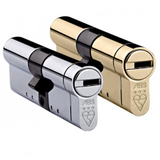
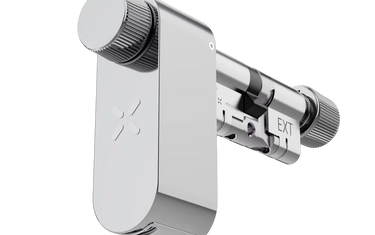
Whether you call it a lock barrel, cylinder, or euro cylinder, this small component is often the weakest point on a door. Replacing a basic cylinder with an anti-snap euro cylinder lock is one of the most effective upgrades a homeowner can make.
Many low-cost locks offer little protection against these techniques. Higher-quality locks are typically designed with features such as anti-snap and anti-drill protection, which make forced entry much more difficult.
Learning how burglars break door locks and how modern locks stop them can help homeowners better understand why stronger locks are an important part of home security.

Frequent Replacements Can Cost More Over Time
Another issue with cheaper locks is durability. Budget locks often use lighter internal components that wear down faster with regular use.
Common problems include:
-
Keys becoming difficult to turn
-
Stiff or sticking lock mechanisms
-
Internal parts wearing out
-
Lock cylinders failing prematurely
When these problems occur, the lock usually needs to be replaced sooner than expected. Over several years, multiple replacements can easily cost more than installing a higher-quality lock from the start.
Choosing a reliable lock once is often the more cost-effective long-term solution.
Security Certifications Matter
In the UK, many door locks are tested against recognised security standards. Certifications such as TS007 or BS3621 indicate that a lock has been independently tested for resistance to common burglary techniques.
Locks that meet these standards are often recommended for external doors and may also help meet home insurance requirements. Trusted brands like Avocet ABS and Yale produce euro cylinders that are independently tested and carry TS007 3-Star certification as standard.
Organisations such as UK Trading Standards also advise consumers to choose well-tested security products that meet recognised safety and quality standards.
Checking for recognised certifications is a simple way to identify locks designed for stronger protection.
Cheap Locks Can Affect Door Hardware
Poorly manufactured locks can also create problems for the door itself. When internal components are misaligned or poorly built, they may place additional strain on handles and multipoint locking systems.
Over time, this can lead to:
-
Damage to door handles
-
Wear on internal locking mechanisms
-
Misalignment of locking points
For uPVC and composite doors in particular, these issues can lead to additional repair costs.
A well-engineered lock operates smoothly with the door’s existing mechanism and helps reduce unnecessary wear on surrounding hardware.
Better Locks Improve Long-Term Security
Investing in a higher-quality door lock provides several long-term benefits for homeowners.
These include:
-
Greater resistance to forced entry
-
Longer lifespan and improved durability
-
Smoother everyday operation
-
Better compatibility with modern door systems
Stronger locks also contribute to overall property security, which can improve confidence for homeowners, tenants, and potential buyers. If you are unsure which lock style suits your door, our guide to the different types of cylinder locks explains the key differences.
For homeowners looking to build on a strong foundation of physical security, pairing a quality lock with a smart camera adds an important second layer of deterrence — the Yale Smart Outdoor Camera is a no-subscription option worth considering.
Choosing the Right Lock for Your Home
When replacing a door lock, it’s important to look beyond price alone. Factors such as build quality, security certification, and compatibility with your door type should all be considered.
Features to look for include:
-
Anti-snap and anti-drill protection
-
Recognised UK security certifications
-
Durable materials and reliable construction
-
Compatibility with uPVC, composite, or timber doors
Exploring secure door locks for UK homes can help you find options designed to balance strong security with long-term reliability.

Why Investing in a Quality Door Lock Is Worth It
While cheaper locks may seem like a quick way to save money, they often create hidden costs through reduced security, shorter lifespan, and frequent replacements.
A stronger, well-designed lock provides better protection and more reliable performance over time. It also reduces the risk of security weaknesses that burglars can exploit.
For most homeowners, choosing a high-quality door lock is not just about security — it is about making a practical investment in the long-term safety and durability of their home.
Check out the featured products from this article below 👇