Most homeowners only think about their door locks after something goes wrong.
A break-in.
A lost key.
A lock that suddenly jams at 10pm.
But by the time a lock fails, the risk has already been there for years.
According to official UK crime data published by the House of Commons Library, burglary remains a persistent issue across England and Wales, with thousands of residential break-ins recorded annually. Opportunistic entry is far more common than people assume — and outdated locks make that easier.
Here are 7 signs it’s time to replace your door locks — before they fail when you need them most.
1. Your Lock Is Over 10 Years Old
Locks aren’t lifetime hardware.
Security standards evolve.
Burglary methods adapt.
Internal components wear down.
If your lock was installed:
-
Before 2015
-
When you first moved in
-
When the door was originally fitted
…it likely predates modern anti-snap standards.
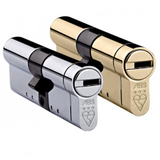
Upgrading to modern high-security door locks designed for UK homes significantly reduces vulnerability to snapping, drilling and forced-entry techniques — especially on uPVC and composite doors.
Older locks may still “work.”
That doesn’t mean they still protect.

2. You’ve Moved Into a New Property
When you move house, you don’t know:
-
How many keys are circulating
-
Who had copies made
-
Whether contractors retained access
Even if the previous owner seems trustworthy, replacing the lock resets control immediately.
It’s one of the simplest and most cost-effective security upgrades you can make after completion.
Waiting adds risk.
Replacing removes uncertainty.
3. Your Keys Have Been Lost — Even Temporarily
If your keys go missing and you cannot be 100% certain where they’ve been, replacing the lock is the safer decision.
Especially if:
-
Your address was attached
-
They were stolen from a vehicle
-
They were lost near your property
A replacement cylinder costs far less than a forced entry.
4. The Lock Feels Different Than It Used To
This is one of the most ignored warning signs.
-
The key sticks slightly
-
The handle feels loose
-
You need to lift the door to lock it
-
The turn isn’t as smooth
Subtle mechanical change usually means internal wear.
And worn cylinders are easier to force.
If your lock feels different compared to a year ago, that’s often the early warning. Waiting rarely makes it cheaper.

5. Your Lock Isn’t Anti-Snap or TS007 Rated
Lock snapping remains one of the most common forced-entry methods in the UK.
If your euro cylinder:
-
Protrudes beyond the handle
-
Has no anti-snap line
-
Was installed over a decade ago
…it may be vulnerable.
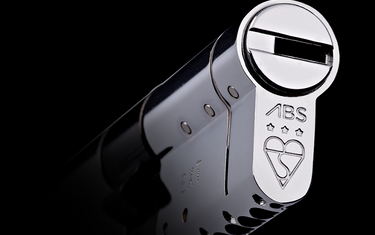
Upgrading to TS007-rated anti-snap euro cylinders built to current UK security standards dramatically increases resistance against snapping and drilling.
If you’re unsure what insurers expect, our guide explaining what makes a door lock insurance approved in the UK breaks down the standards clearly and practically.
6. You’ve Had an Attempted Break-In
If someone has:
-
Tried to force the cylinder
-
Scratched or twisted the face
-
Damaged the handle
-
Attempted snapping
Replace it immediately.
Even if the lock still turns.
Internal damage isn’t always visible — and weakened components reduce resistance dramatically.
Security is about resistance under force, not just function.
7. You’re Upgrading Security — But Ignoring the Lock
Many homeowners install:
-
Video doorbells
-
CCTV
-
Motion lighting
But leave a 12-year-old cylinder on the front door.
Surveillance records incidents.
Locks prevent entry.
If you’re investing in security, upgrading your locking system should be one of the first improvements — not the last.
Replacing Like-for-Like Isn’t Always an Upgrade
Replacing an old cylinder with the cheapest similar model doesn’t necessarily improve security.
If you’re upgrading, ensure the replacement meets modern standards — particularly TS007 rating for cylinders or appropriate BS standards for timber doors.
If you’re unsure which option is right for your property, our detailed buyer guide covering the best high-security door locks for UK homes explains what genuinely improves resistance.

Don’t Wait for a Lock to Fail
Most lock replacements happen after something fails.
The smarter move is replacing before it does.
If your lock shows even one of the warning signs above, upgrading now is usually:
-
Cheaper
-
Less stressful
-
Far more secure
Security doesn’t fail all at once.
It degrades quietly.
The homeowners who act early are usually the ones who never need to find out what would have happened if they hadn’t.