If you’ve ever checked your home insurance policy, you’ve probably seen a clause mentioning “approved locks” or “BS3621 compliant locks.”
But what does that actually mean?
And more importantly — how do you know if your door lock meets insurer requirements?
In this guide, we’ll break down:
-
What “insurance approved” really means
-
The difference between BS3621 and TS007
-
Why not all locks qualify
-
How to choose the right high-security lock for your home

Why Insurance-Approved Locks Matter
Most UK home insurance policies require:
-
A 5-lever mortice lock (BS3621) on wooden doors
or -
A TS007 3-star rated cylinder on uPVC or composite doors
If your lock doesn’t meet the required standard, insurers can:
-
Reduce payouts
-
Refuse burglary claims
-
Increase your premium
In short: the wrong lock can cost you thousands.
That’s why many homeowners upgrade to modern high-security door locks that meet or exceed current standards.
You can explore compliant options inside our high-security door locks collection.
The Two Main Standards Explained
BS3621 – Traditional Mortice Lock Standard
BS3621 applies mainly to timber doors.
To qualify, the lock must:
-
Be a 5-lever mortice deadlock
-
Include anti-pick and anti-drill features
-
Display the British Standard Kitemark
These locks are still common on older wooden front doors.
However, most modern homes now use uPVC or composite doors — which brings us to TS007.
TS007 – The Modern Security Standard
TS007 is now the most important standard for uPVC and composite doors.
It was introduced to combat a specific threat:
Lock snapping.
To be considered insurance approved under TS007, a cylinder must be:
-
3-star rated
or -
Combined with a 2-star handle to achieve equivalent protection
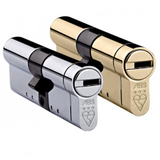
A genuine 3-star rated cylinder includes:
-
Anti-snap protection
-
Anti-drill protection
-
Anti-pick protection
-
Reinforced core structure
If your current lock is basic or unbranded, it may not offer this level of defence.
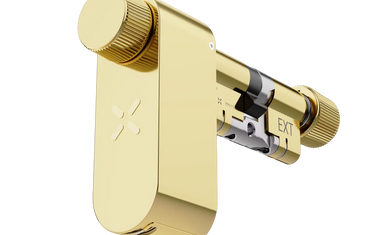
Many homeowners upgrade to TS007-rated euro cylinder locks to ensure compliance and significantly improve overall door security.

How to Check If Your Lock Is Insurance Approved
Here’s a quick checklist:
Look for visible markings
-
British Standard Kitemark (BS3621)
-
TS007 star rating stamp
Identify your door type
-
Timber door → likely needs BS3621
-
uPVC/composite door → likely needs TS007
Check your insurance documents
Policies often specify:
“5 lever mortice deadlock conforming to BS3621”
or
“Cylinder lock conforming to TS007 standard”
If you’re unsure, replacing your current lock with a certified option from our door locks collection removes the risk entirely.
To choose the right lock for your door, and see how burglars attack locks and when to change yours, read our guide to the best high security front door locks.

Are Insurance-Approved Locks Worth It?
Absolutely — and not just for compliance.
Modern approved locks provide:
-
Strong resistance against forced entry
-
Protection against snapping attacks
-
Increased peace of mind
-
Improved resale appeal
Considering the average burglary claim runs into thousands of pounds, upgrading your lock is one of the highest ROI security improvements you can make.
Compliance + Security = Confidence
Insurance-approved doesn’t just mean “tick the box.”
It means:
-
Tested against real burglary methods
-
Independently certified
-
Recognised by UK insurers
Whether you’re protecting a family home or a rental property, fitting the correct high-security door lock ensures you’re covered both physically and financially.
If you’re unsure what standard your current lock meets, upgrading to a certified solution gives you clarity — and significantly strengthens your front-line defence.