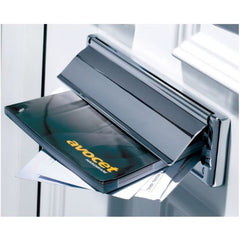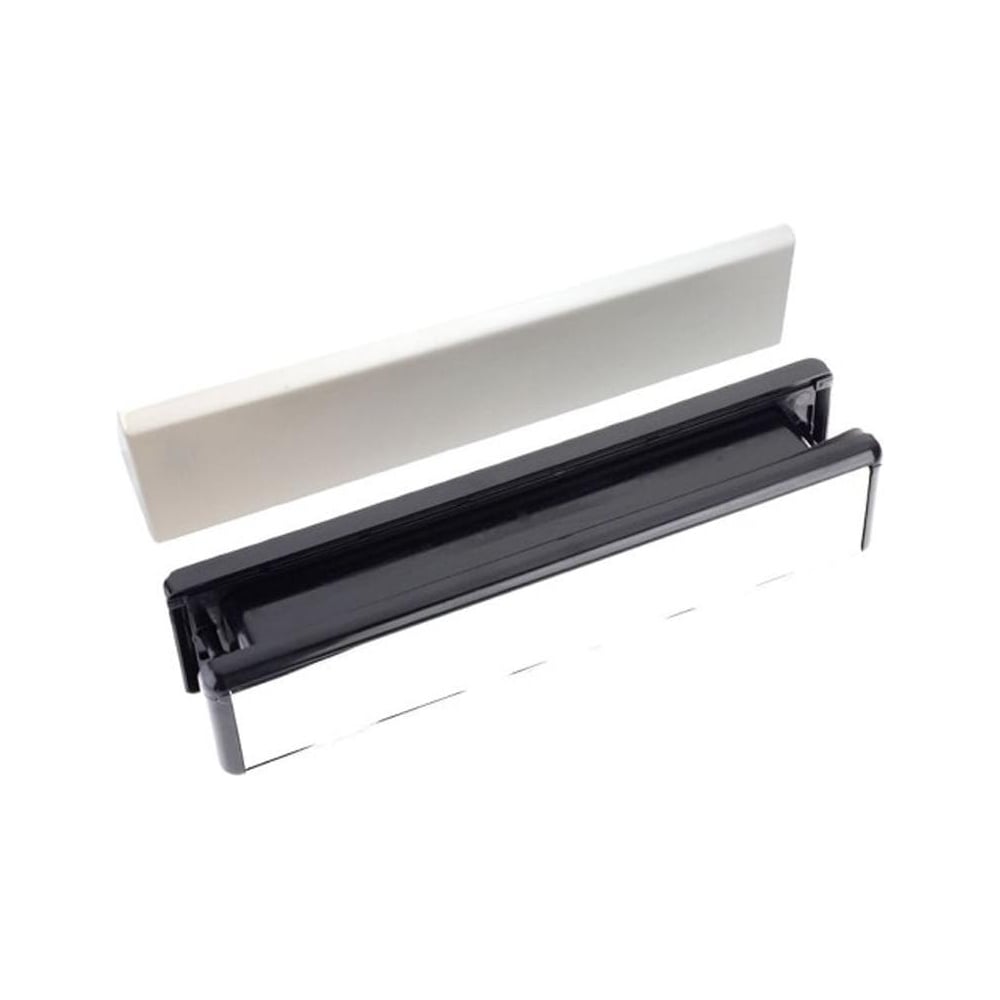
If your letterbox spring has gone, the flap rattles in the wind, or you can feel a cold draught blowing through the mail slot on a winter morning, it is time for a replacement. The good news is that fitting a new letterbox to a uPVC door is one of the simplest upgrades you can make — no drilling, no specialist tools, and most replacements drop straight into the existing cutout.
But not all letterboxes are the same. The right choice depends on your priorities: security, energy efficiency, noise reduction, or simply a fresh appearance on your front door. This guide covers the key differences so you can pick the right letterbox for your door first time.

Why Letterboxes Fail
The most common failure point is the spring mechanism. Every time the postman pushes open the flap, the spring pulls it shut again. After thousands of cycles over several years, the spring weakens and the flap no longer closes fully. This creates a visible gap that lets in cold air, rain, dust, and noise.
The second failure point is the internal brush seal. Most modern letterboxes have a row of nylon bristles behind the flap that act as a secondary draught barrier. Over time these bristles flatten, splay, or fall out — and the seal is lost.
Once either the spring or the brush has failed, the letterbox becomes an open vent in the middle of your front door. On a windy day you can feel the draught from several feet away. Over a full heating season, the cumulative heat loss is significant.
Security: Why Your Letterbox Matters More Than You Think
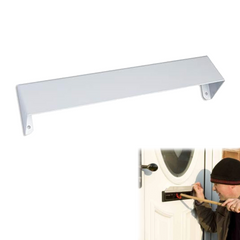
A standard letterbox with a wide opening and no internal protection creates a vulnerability called letterbox fishing. An intruder pushes open the flap, reaches through with a hooked wire or a long tool, and grabs keys left on a nearby hall table, hook, or shelf. It takes seconds, makes almost no noise, and leaves no sign of forced entry.
This is not a theoretical risk — it is one of the most commonly reported methods of opportunistic burglary on uPVC doors in the UK.
Three features address this:
A restricted opening. Anti-vandal letterboxes limit how far the flap can be pushed inward, reducing the gap available for an intruder to reach through.
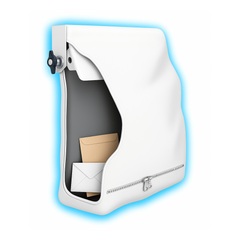
A internal cowl or guard. This is a metal or plastic cage fitted behind the letterbox on the inside of the door. Mail drops through into the cage, but a hand or tool cannot reach beyond it into the hallway.
A dense brush seal. A thick brush barrier behind the flap makes it difficult to push tools through and obscures the view into the hallway from outside.

For maximum security, look for a letterbox that combines all three features. If your door is on a street-facing elevation or in a shared entrance area, an anti-vandal model with a cowl is the strongest option.
Energy Efficiency: Stopping the Draught
Building regulations have tightened significantly around thermal performance for external doors, but the letterbox remains a weak point. Even on a well-insulated uPVC or composite door, a letterbox with a failed seal can account for a measurable amount of heat loss.
The most effective draught-reducing letterboxes have a dual-seal design: an external flap with a strong spring to keep it shut, and an internal brush or secondary flap to create a buffer zone. Some premium models add a foam gasket around the frame for an even tighter seal against the door panel.
If energy efficiency is your main concern, look for a letterbox with a heavy flap (which sits more firmly against the frame under its own weight), a spring-loaded return (which pulls the flap shut rather than relying on gravity), and a full-width internal brush.
Sizing: Will a New Letterbox Fit Your Existing Cutout?
This is the question that stops most people from replacing their letterbox — the worry that the new one will not fit the hole already cut in the door.
The standard letterbox cutout on a uPVC door is approximately 254mm wide by 42mm tall (roughly 10 inches by 1.6 inches). Most replacement letterboxes are designed to fit this standard aperture. The visible surround plate is larger than the cutout, so it covers the edges and any minor variations in the hole size.
Before ordering, measure the existing cutout width and height, and check the door thickness. Most uPVC doors are 28mm thick, but some composite doors are thicker. The letterbox fixings need to be long enough to clamp through the full thickness of the door panel.
If your door has a non-standard cutout — wider, narrower, or a different shape — you may need to check the specific dimensions of the replacement model before buying. Most retailers list the cutout dimensions alongside the product specifications.
Types of Letterbox
Standard plate letterboxes are the most common type on uPVC doors. A flat plate sits on the outside of the door with a spring-loaded flap that opens inward. Simple, reliable, and available in every finish.
Anti-vandal letterboxes restrict how far the flap opens and are designed to prevent fishing attacks. They often have a tighter spring and a narrower opening angle. These are the best option for street-facing doors and ground-floor flats.
Sleeved letterboxes have a telescopic sleeve that extends through the door panel, creating a contained channel for mail. This design provides excellent draught protection and makes fishing very difficult because the internal opening is recessed deep into the door.
Internal letterbox cowls and guards are not replacements for the letterbox itself but additions fitted to the inside of the door behind the existing letterbox. They catch incoming mail in a metal or plastic basket and prevent anyone reaching through the slot into the hallway. These can be added to any existing letterbox without replacing it.


Finishes and Colours
Letterboxes come in a range of finishes to match your door hardware: polished chrome, satin chrome, polished gold, satin gold, white, black, and antique brass are the most common. The general rule is to match the letterbox finish to your door handle and door knocker — a consistent hardware finish across the door looks far more polished than a mix of different metals.
If you have recently replaced your door handles or are planning to, choose the letterbox finish at the same time so everything coordinates. Most security hardware retailers stock matching sets across handles, letterboxes, knockers, and door numbers in each finish.
How to Fit a Replacement Letterbox
Fitting a letterbox on a uPVC door is a straightforward job:
Remove the existing letterbox by unscrewing the fixings from the inside of the door. On most models, two bolts run through the door panel from the outside plate and are secured with nuts on the inside.
Clean the cutout area and remove any old sealant or debris.
Position the new letterbox from the outside. Push the fixing bolts through the door.
From the inside, slide on any spacer sleeve (if included), position the internal plate or brush assembly, and tighten the nuts. Do not overtighten — uPVC door panels can flex under excessive pressure.
Test the flap opens and closes freely and that the spring returns it to the closed position firmly.
The whole job takes about ten minutes.
What to Do With the Old Letterbox
If your old letterbox still functions but is just looking tired, consider repurposing it on a side door, garage door, or garden gate where appearance matters less. If the spring has failed completely, it is not worth repairing — replacement letterboxes are inexpensive enough that a new unit is always the better option.
Choosing the Right Letterbox
For most homeowners replacing a failed letterbox on a uPVC front door, an anti-vandal model with a strong spring, internal brush seal, and a finish that matches the existing door hardware is the best all-round choice. It addresses security, energy efficiency, and appearance in a single upgrade.
Browse the full range of letterboxes for uPVC doors to find the right style and finish for your door. If you are also replacing handles or other door furniture at the same time, matching sets are available across all the major finishes.