Most burglaries don’t happen because a criminal is highly skilled.
They happen because a lock is outdated.
Burglars look for doors that appear quick to defeat — older euro cylinders, single-point locks, no visible security rating, and no reinforcement hardware. In most cases, they are not looking for the most secure property. They are looking for the easiest one.
Understanding how burglars break door locks is not about fear. It is about recognizing whether your current lock would stand up to modern forced-entry methods — and whether it still meets today’s security standards.
If your lock was installed more than eight to ten years ago, it may not.
Lock Snapping (Euro Cylinder Attack)
Lock snapping remains one of the most common entry methods in the UK, particularly on uPVC and composite doors fitted with standard euro cylinders.
The process is simple:
-
Grip the exposed cylinder
-
Apply force
-
Snap it at its weakest point
-
Turn the internal cam to unlock the door
The entire attack can take under a minute.
Older cylinders were never designed to resist snapping. Many were fitted before anti-snap testing became standard practice.
Modern cylinders are different.
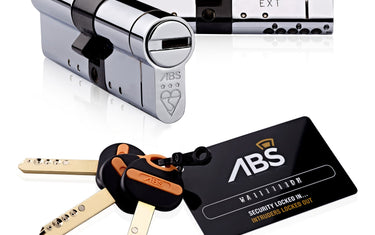
Today’s designs often include:
-
Sacrificial snap sections
-
Reinforced steel cores
-
Hardened anti-drill components
-
Visible TS007 3-star certification
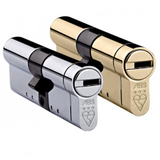
Upgrading to protection from our range of anti-snap and TS007 3-star rated door locks helps ensure your door reflects current security expectations rather than outdated installation standards.
TS007 3-star cylinders are independently tested to resist snapping attacks and are frequently required by UK insurers. If your cylinder carries no visible rating, it may not meet modern requirements.
Lock Bumping
Lock bumping targets traditional pin tumbler cylinders using a specially cut key.
The attacker inserts the key, applies a sharp strike, and forces the pins to align momentarily.
Modern high-security cylinders include anti-bump pins, complex internal configurations, and restricted keyways designed to prevent this method from working effectively.
Drilling
Drilling attacks aim at the internal shear line of the cylinder.
Lower-grade locks may fail quickly under this type of pressure.
British Standard-compliant cylinders incorporate hardened steel plates and anti-drill rods designed to damage drill bits and extend resistance time.
Security is often about delay. The longer a lock resists, the more likely an opportunistic burglar is to abandon the attempt.
Lock Picking
Picking is less common in opportunistic burglary, but simple internal mechanisms can still be manipulated.
Modern cylinders frequently use:
-
Mushroom and spool pins
-
Sidebars
-
Multi-layer locking systems
These increase internal complexity and resistance.
Forcing the Door: When the Weakness Is the System
Sometimes the vulnerability is not the cylinder itself, but the overall locking setup.
Single-point locks fitted to many older doors were never designed to withstand modern forced-entry techniques and may not meet current recommendations.
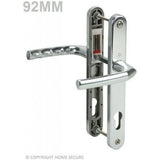
Multi-point locking systems secure the door at multiple positions, distributing force and reducing flex.
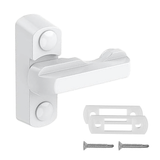
Homeowners often strengthen this further by installing reinforcement devices such as uPVC door and window sash jammers for added security. These provide visible secondary protection and support a layered approach rather than relying on a single locking point.
Layered security increases resistance time — and resistance time changes outcomes.

Why Visible Upgrades Matter
Burglars typically choose the path of least resistance.
If one property has an older, unmarked cylinder and minimal reinforcement, while another has visible modern security hardware, the easier option is often selected.
Public safety organizations such as CrimeStoppers UK’s burglary prevention guidance highlight the importance of reducing easy access points. Visible security upgrades do not just resist attack — they discourage it.

A Simple Self-Check
You may want to review your door security if:
-
Your cylinder has no visible TS007 or 3-star rating
-
It protrudes noticeably from the door
-
It was installed many years ago
-
Your door locks only at one central point
-
Your keys can be duplicated without restriction
If you are unsure whether replacing your lock is necessary, you can read our in-depth guide explaining whether high-security door locks are worth upgrading to, where we outline the practical benefits and long-term value of modern systems.
Security standards evolve. A lock that was compliant years ago may no longer reflect today’s resistance testing.
The Bottom Line
Burglars rely on:
-
Weak cylinders
-
Outdated locking technology
-
Minimal resistance
-
Speed
Modern high-security locking systems are engineered to resist snapping, bumping, drilling, picking, and forced leverage.
If your current lock does not meet visible modern standards, it may not be providing the level of protection you assume.
Upgrading is not about reacting to fear.
It is about ensuring your door is not the easiest option on the street.
Because opportunistic burglars rarely choose the hardest target.
Check out the featured products from this article below 👇