If you’ve thought about upgrading your door locks but kept putting it off, you’re not alone.
Most homeowners don’t delay because they don’t care about security.
They delay because everything seems fine.
The key turns.
The door locks.
Nothing looks broken.
But modern burglary methods don’t rely on obvious weaknesses — they exploit outdated lock standards.
And that’s where the real problem starts.

Most Locks in UK Homes Are Technically “Working” — But Not Secure
A lock can function perfectly and still be vulnerable.
Many homes still rely on:
-
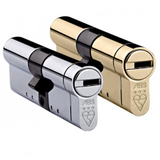
Basic euro cylinders without anti-snap protection
-
Older single-point locking systems
-
Non-rated hardware
-
Locks that do not meet current BS3621 or TS007 standards
Security standards have evolved significantly over the past decade. Attack methods such as snapping, bumping and cylinder extraction specifically target older lock designs.
If you haven’t reviewed your locks in years, comparing your setup with modern high-security door locks designed for UK homes quickly shows how much protection standards have improved.
Often, the difference is far greater than people expect.

The Front Door Is Still the Weakest Point in Most Homes
Burglars don’t usually choose the hardest way in.
They choose the easiest.
In many cases, that means attacking the cylinder in the front door rather than breaking glass or forcing frames.
Once the cylinder fails, the rest of the mechanism becomes irrelevant.
If you’d like a deeper breakdown of why this continues to happen, our guide on why front doors remain the most targeted entry point in UK homes explains how burglars assess opportunity — and why outdated lock systems make homes easier targets.
Upgrading locks removes opportunity. And opportunity is what most break-ins rely on.
Standards Matter More Than Most Homeowners Realize
Security products are not equal.
In the UK, recognized lock standards such as:
-
BS3621 (typically for timber doors)
-
TS007 3-star cylinders (commonly used with uPVC and composite doors)
exist specifically to resist common attack methods.
Consumer protection bodies such as the Chartered Trading Standards Institute provide guidance around compliant, properly tested products and safe purchasing practices.
Choosing rated, tested locks is not about buying the most expensive option — it’s about ensuring the product has passed recognized security benchmarks.
Modern Doors Require Modern Locking Systems
If you have a uPVC or composite door, it likely uses a multi-point locking mechanism.
But here’s the key detail many homeowners miss:
A multi-point system is only as strong as the cylinder inside it.
If the cylinder is basic or outdated, the entire door can be compromised in minutes.
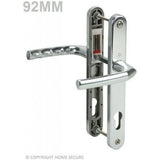
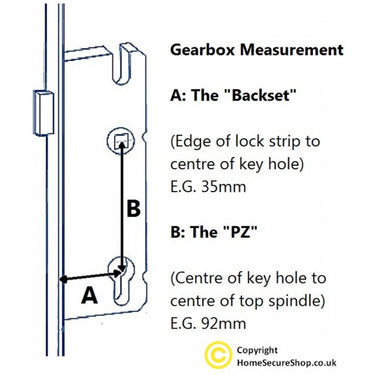
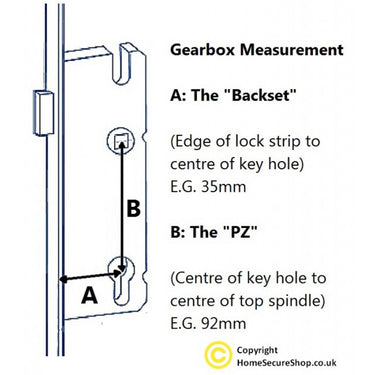
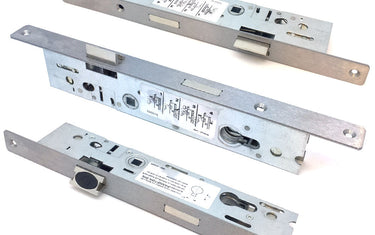
For homeowners replacing worn mechanisms or upgrading older systems, our range of replacement multipoint door locks for uPVC and composite doors is designed to meet modern security standards.
Security is a system — not a single component.

The Cost of Waiting Is Higher Than the Cost of Upgrading
Most people replace locks when:
-
They move house
-
Keys are lost
-
The mechanism jams
-
There’s been a local incident
But by that point, the decision is reactive.
Proactive upgrades are simpler, more affordable, and significantly more effective.
Modern anti-snap and anti-drill cylinders are specifically designed to resist the most common UK burglary techniques. Reviewing your current hardware against available secure and insurance-compliant high-security door locks can highlight straightforward improvements that make a measurable difference.
Small Upgrade, Big Difference
Home security doesn’t usually fail because of dramatic structural weaknesses.
It fails because of small, overlooked vulnerabilities.
Outdated cylinders.
Basic lock mechanisms.
Non-compliant hardware.
Reviewing and upgrading your locks is one of the most practical steps you can take to improve protection without major renovation.
Exploring professionally rated, insurance-compliant high-security door locks is often the simplest place to start.
Because when it comes to burglary prevention, removing easy access points changes everything.
Check out the featured products from this article below 👇