A letterbox might seem like a simple household detail, but it plays an important role in both your home’s security and its curb appeal. Whether you’re upgrading your front door or replacing an old mail slot, the right letterbox can make a big difference. Here’s how to choose the perfect one that balances style, durability, and protection.
1. Match Your Letterbox to Your Door Style
Your letterbox should complement your door’s design and overall aesthetic. For example:
-
Modern homes: Sleek finishes such as chrome or black fit perfectly with minimalist and contemporary doors.
-
Traditional designs: Go for gold or antique brass to add a touch of classic charm.
-
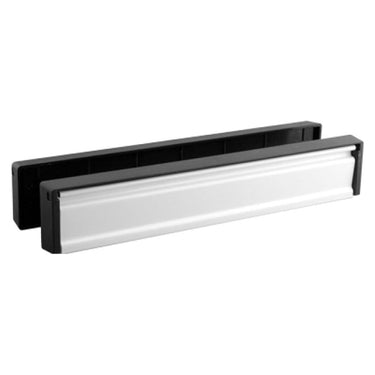
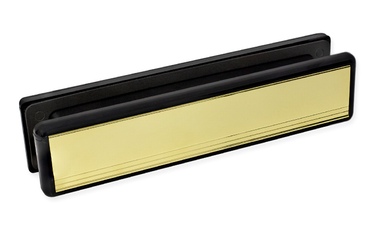
UPVC doors: Many models, such as the ones pictured below, come in standard sizes and easy-fit designs that blend effortlessly into your existing setup.

➡️ Explore all styles here: Shop the full letterbox collection
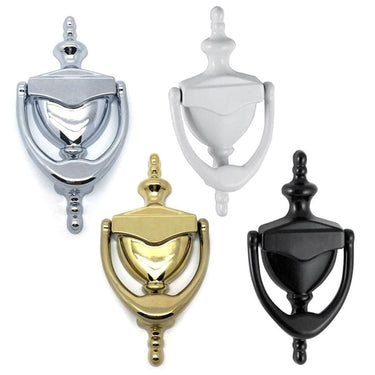
Tip: Choose a finish that matches other door hardware like handles and knockers for a unified look.
2. Prioritize Quality Materials
Letterboxes are exposed to weather and frequent use, so durability is key. Look for materials that resist corrosion and fading:
-
Aluminium: Lightweight, rust-resistant, and perfect for coastal areas.
-
Stainless steel: Strong, modern-looking, and easy to maintain.
-
ABS plastic with coated finishes: Often found on UPVC letterboxes, they offer strength and weather protection while keeping costs down.

A high-quality finish not only looks better but also prevents wear over time.
➡️ Browse durable letterboxes at Home Secure Shop to find the perfect fit for your door.
3. Don’t Overlook Security Features
Security is just as important as style. Choose a letterbox designed to protect your home from intrusion and identity theft:
-
Anti-fishing flaps: Prevent thieves from reaching inside to grab keys or mail.
-
Internal draught excluders: Add insulation while keeping prying eyes away.
-
Solid fixing points: Ensure the unit stays firmly in place and can’t be easily tampered with.
For extra protection, consider pairing your letterbox with a security cage fitted behind the door to safeguard your post.
➡️ Discover secure letterboxes now: View the collection
4. Choose the Right Size
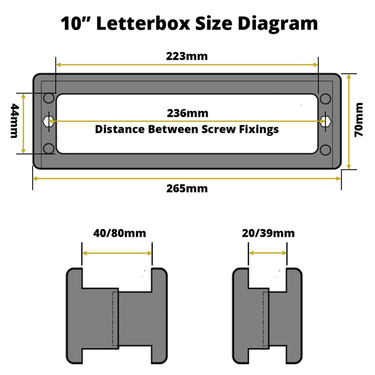
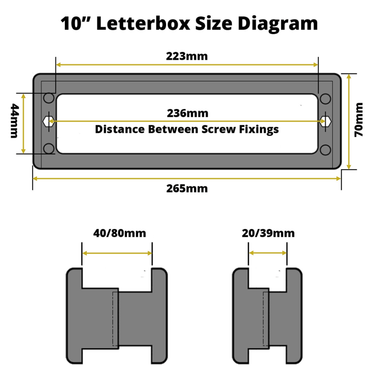
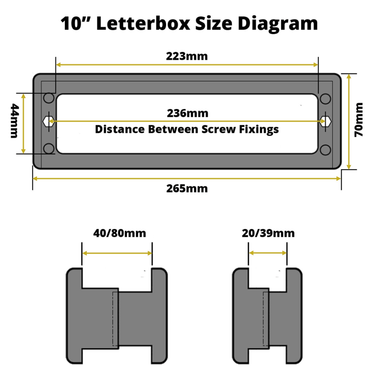
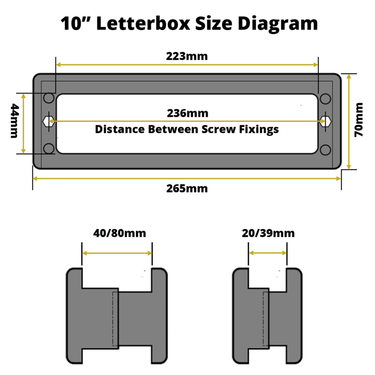
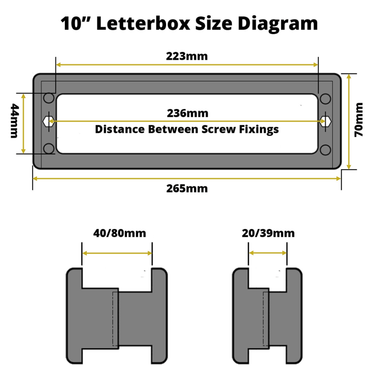
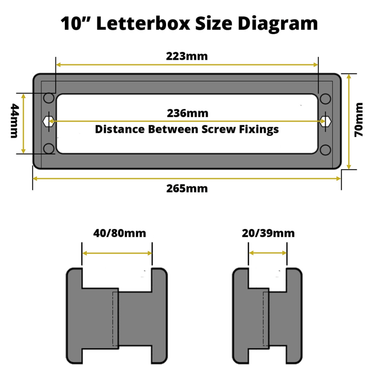
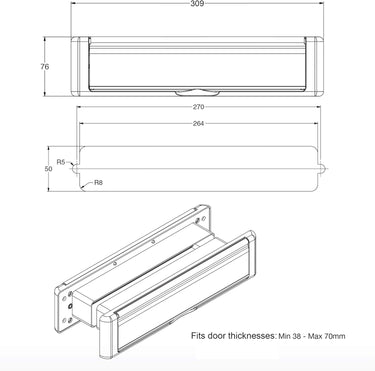
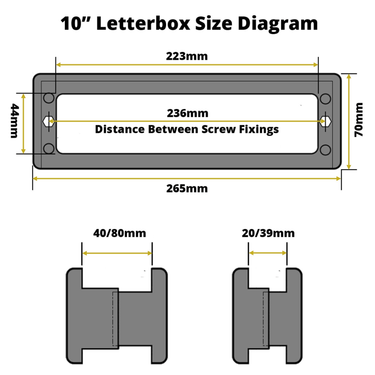
Before buying, measure your existing opening to ensure compatibility. Standard letterbox sizes often fit UPVC, composite, and wooden doors, but double-check:
-
Common size: 250mm x 70mm (aperture around 230mm x 40mm)
-
Larger options: Ideal for bulkier mail or commercial use.
Always verify the depth of the letterbox to ensure it fits snugly through the door thickness.
5. Colour and Finish Options

The right finish can elevate your home’s entryway. Popular choices include:
-
White: Clean and neutral — ideal for modern or bright doors.
-
Black: Bold and sophisticated, offering a strong contrast.
-
Chrome: Sleek and reflective, perfect for contemporary aesthetics.
-
Gold: Warm and traditional, adding elegance and timeless appeal.
These colours are not only stylish but often coated to resist UV fading and corrosion.
6. Installation & Maintenance Tips
-
Always follow manufacturer guidelines for secure fitting.
-
Clean occasionally with mild soap and water — avoid abrasive cleaners that may damage the finish.
-
Inspect periodically for wear or loose fittings, especially after heavy weather.
A well-maintained letterbox keeps your front door looking sharp and your mail safe.
Extra Tip: Understand the TS 008 Security Standard
When selecting a letterbox, it’s worth checking whether it meets the latest industry security standards. The Door & Hardware Federation (DHF) Technical Specification TS 008: 2022 sets out enhanced security and performance requirements for letter plate assemblies and slide-through boxes. This standard helps ensure your letterbox can withstand forced entry attempts, prevent fishing attacks, and maintain durability in harsh weather. Choosing a TS 008-compliant model gives homeowners confidence that their letterbox not only looks good but also contributes meaningfully to overall door security.
Final Thoughts
Choosing the right letterbox is about more than just mail delivery — it’s about blending style, practicality, and protection. From modern chrome finishes to classic gold tones, there’s an option for every home. By prioritizing quality materials, secure features, and a design that complements your exterior, you can enhance both your door’s appearance and your peace of mind.
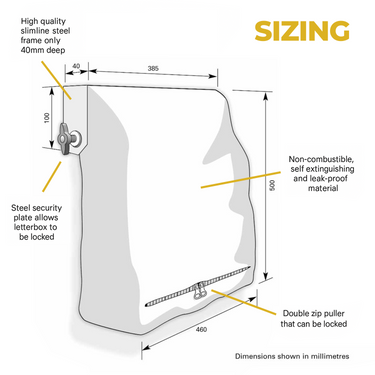
Check out the featured products from this article below 👇 including Fire Proof Retardant Letterbox Bag