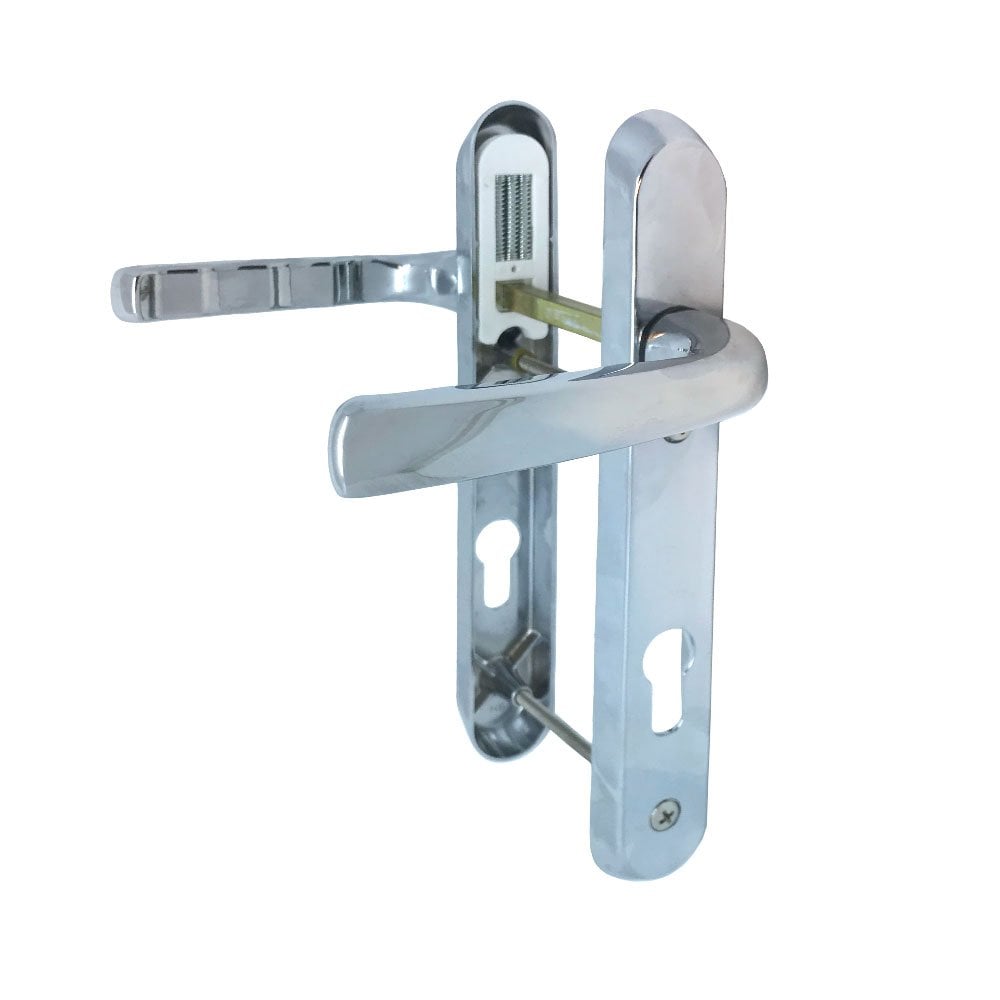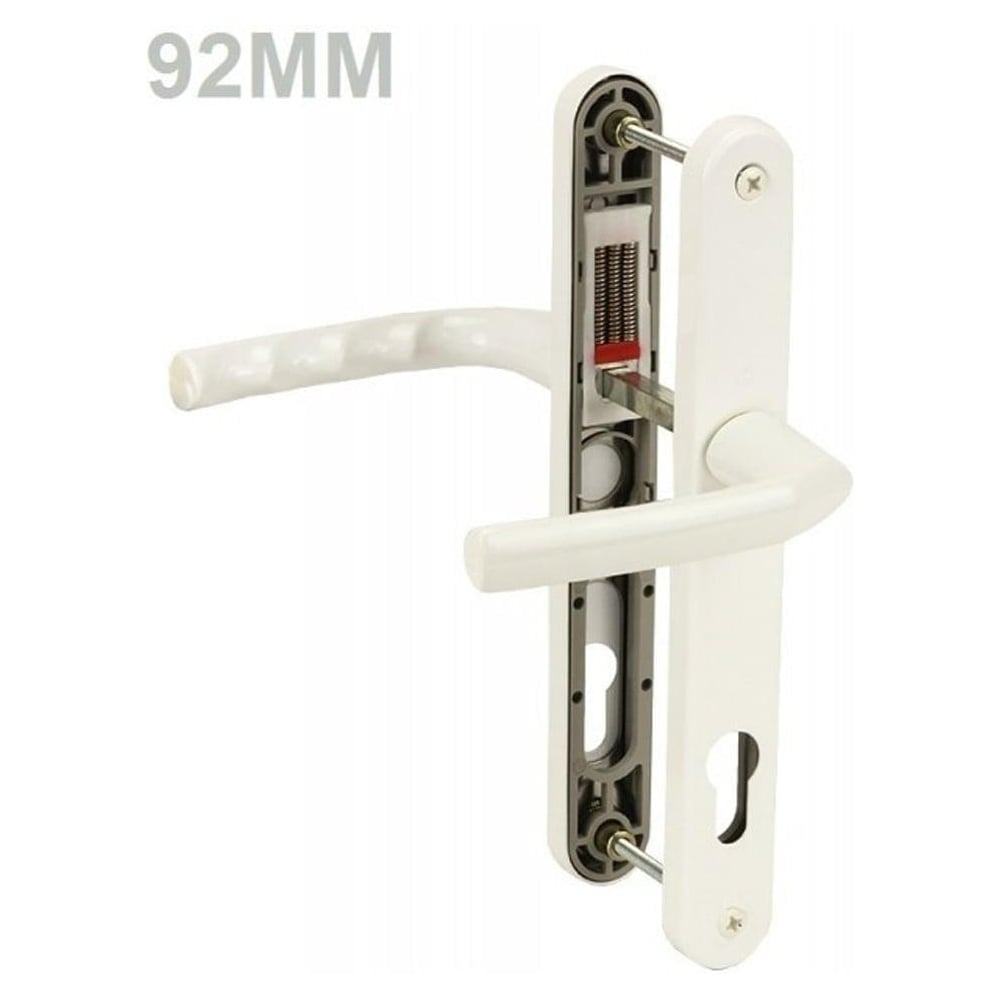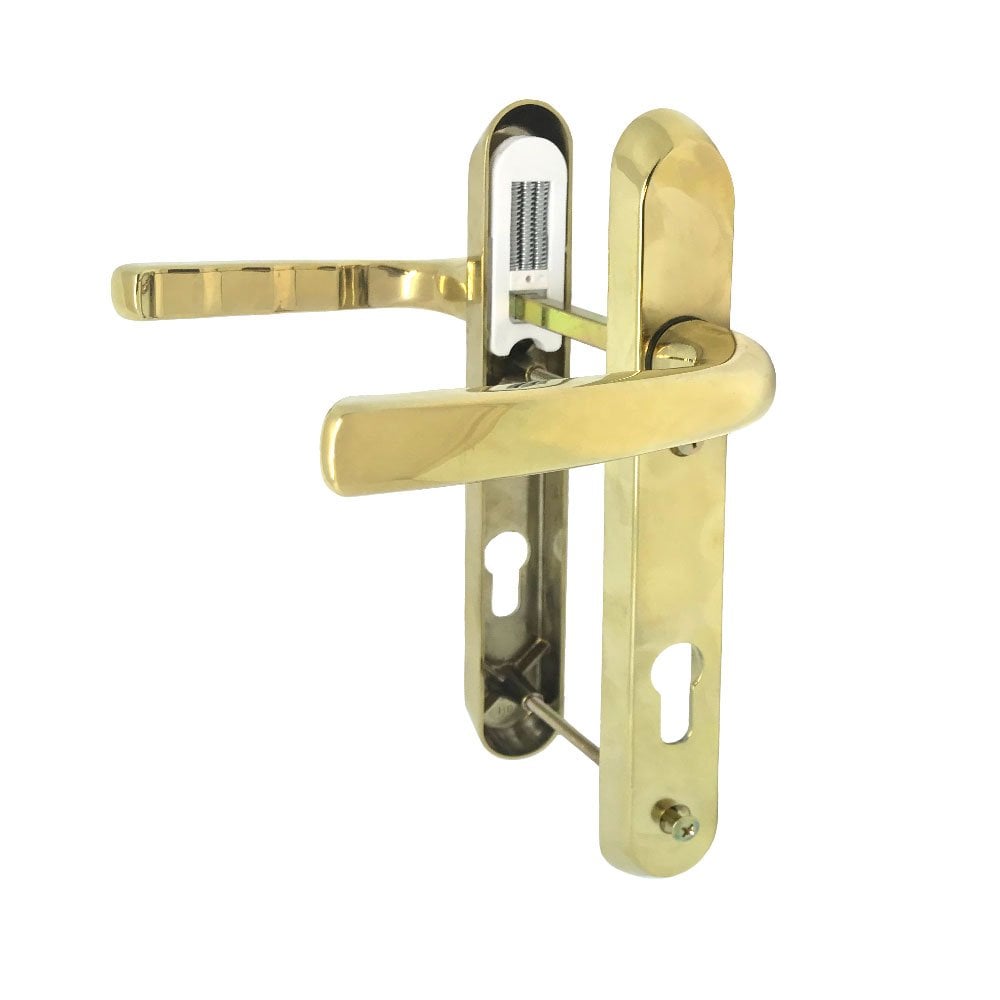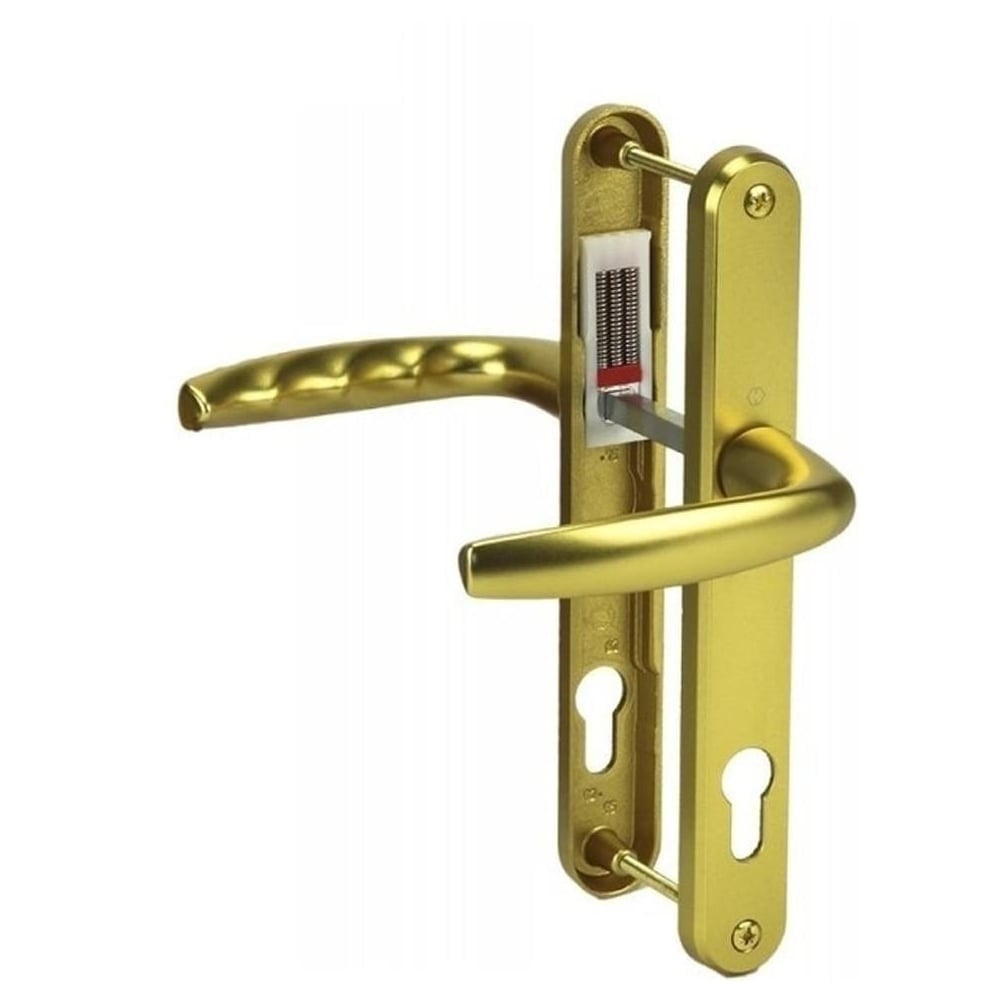
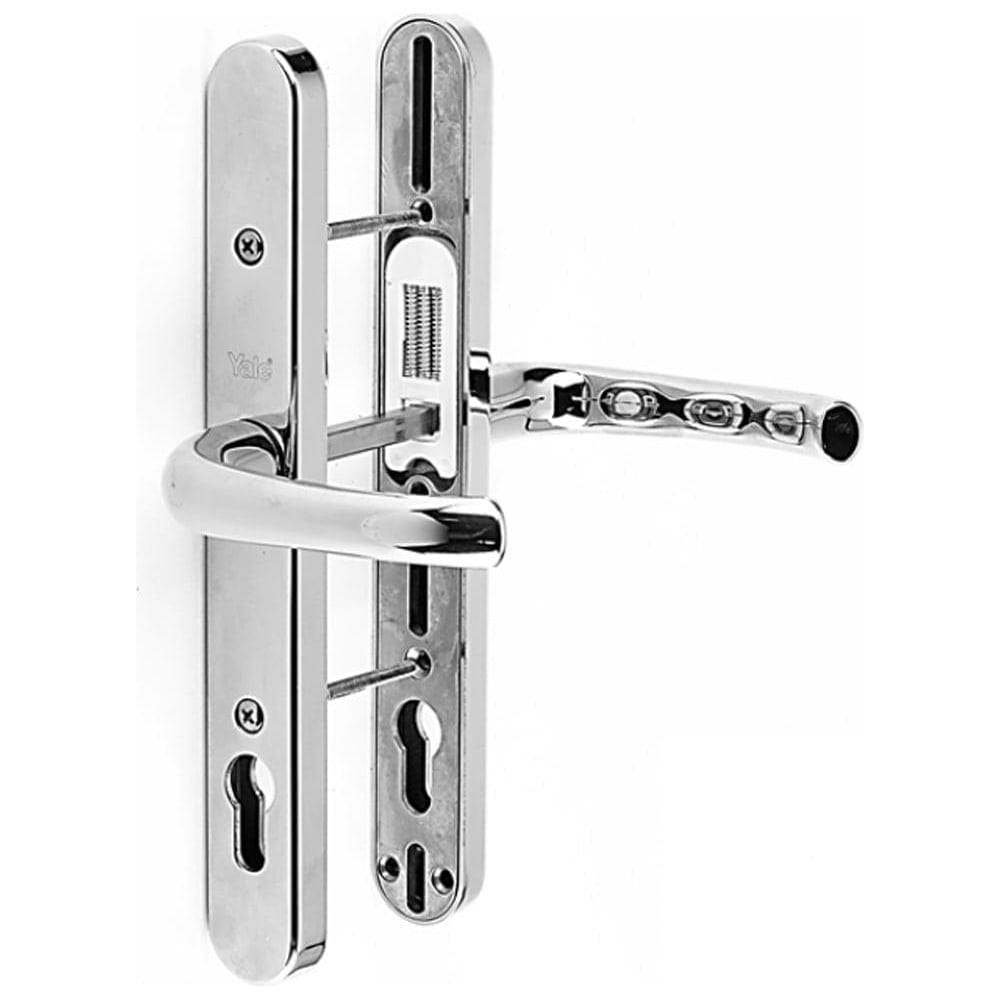
If your uPVC door handle droops when you let go of it, feels wobbly, or does not spring back to the horizontal position on its own, you are not alone. A loose or dropping door handle is one of the most common problems on uPVC and composite front doors — and in most cases, it is a straightforward fix you can do yourself in minutes.
More importantly, a handle that does not return to horizontal is not just an annoyance. It means your multipoint locking mechanism may not be engaging fully, which leaves your door less secure than it should be.
This guide covers the most common causes and how to fix each one.
Why Your Door Handle Is Dropping

A uPVC door handle is spring-loaded. When you push the lever down to open the door, an internal spring pulls it back up to the horizontal position when you let go. This return-to-horizontal action is what allows the multipoint lock to engage properly when you lift the handle to lock the door.
When the handle starts dropping or feeling loose, one of four things is usually responsible.
Cause 1: The Spring Has Failed

This is the most common cause by far. The spring inside the handle cassette weakens over time — typically after five to ten years of daily use. Eventually it loses enough tension that the handle no longer returns to horizontal on its own.
How to check: Push the handle down and let go. If it stays down or only rises partway, the spring has failed.
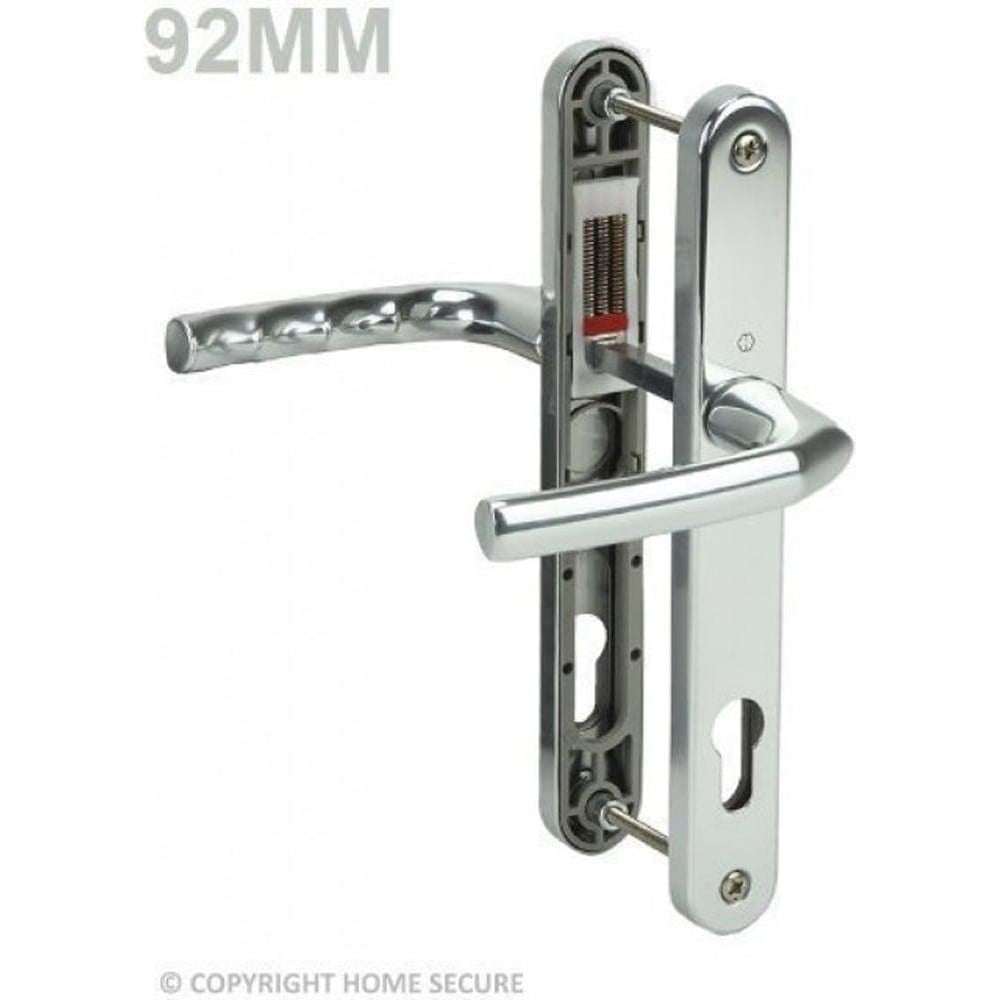
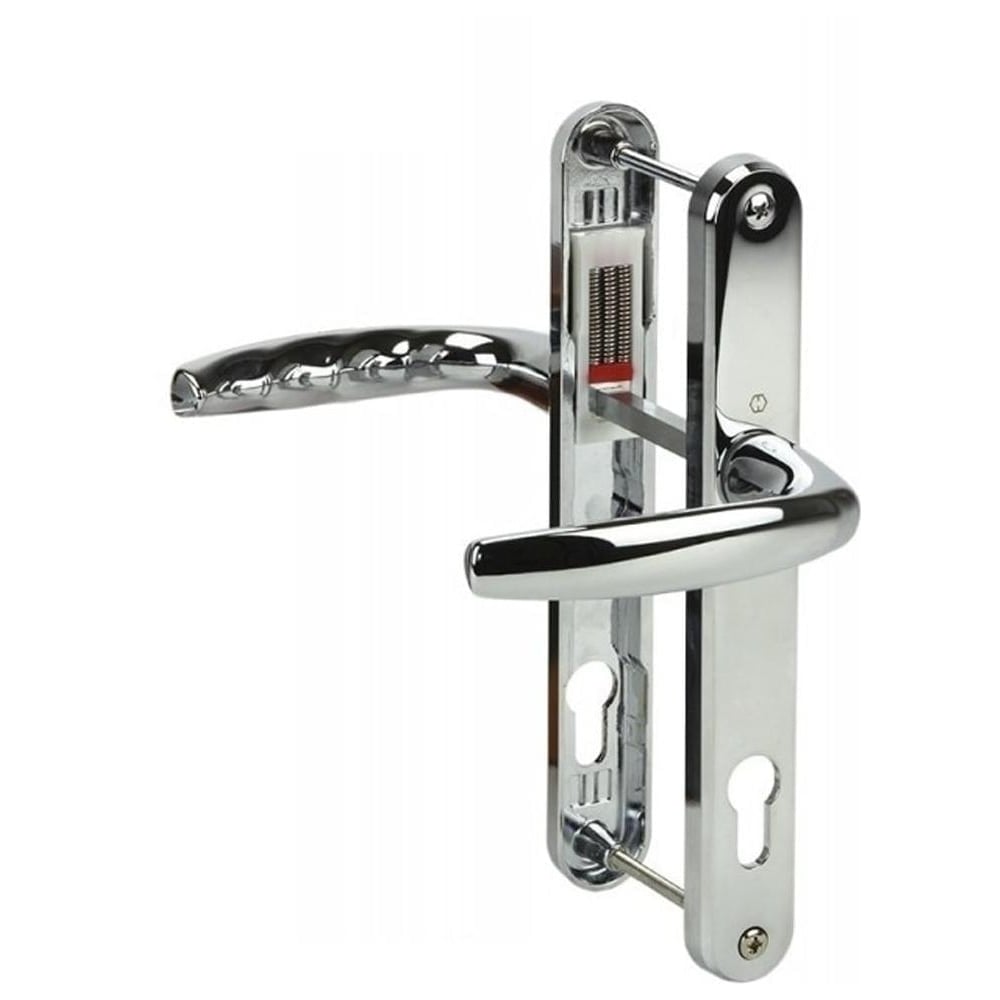
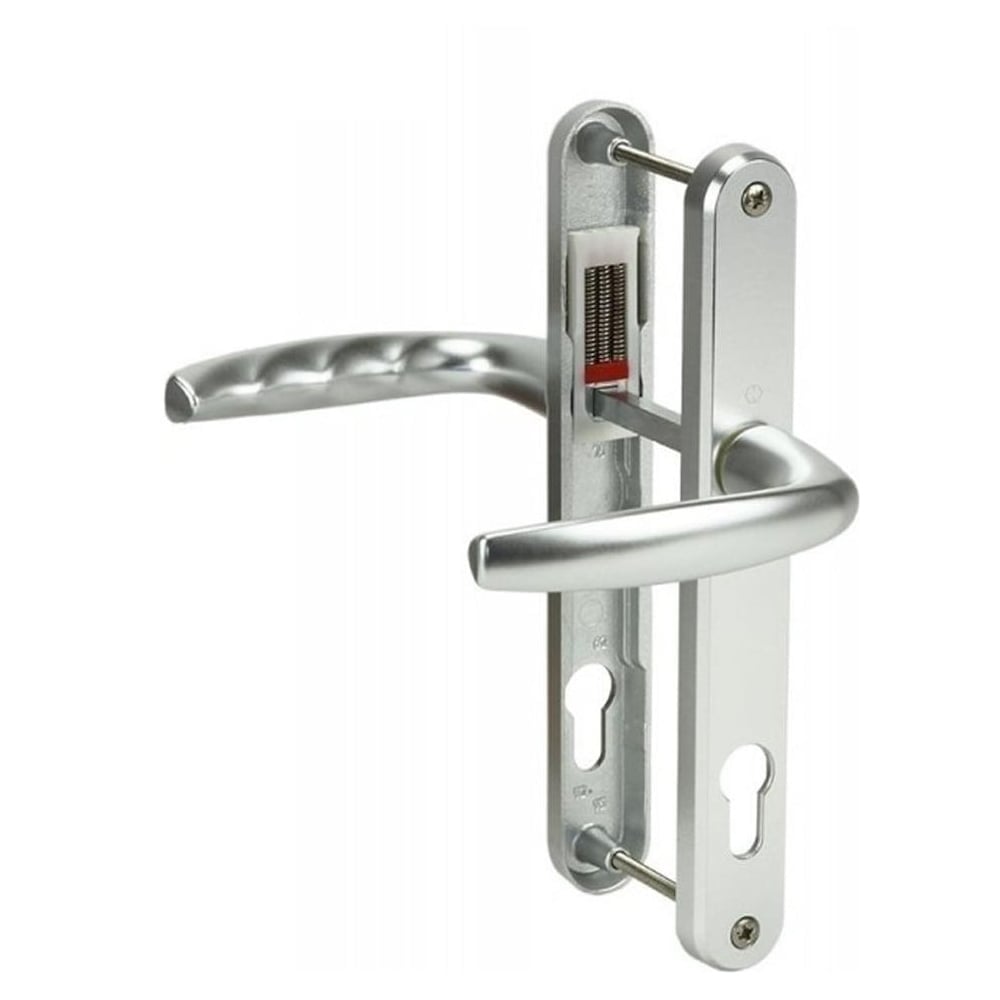
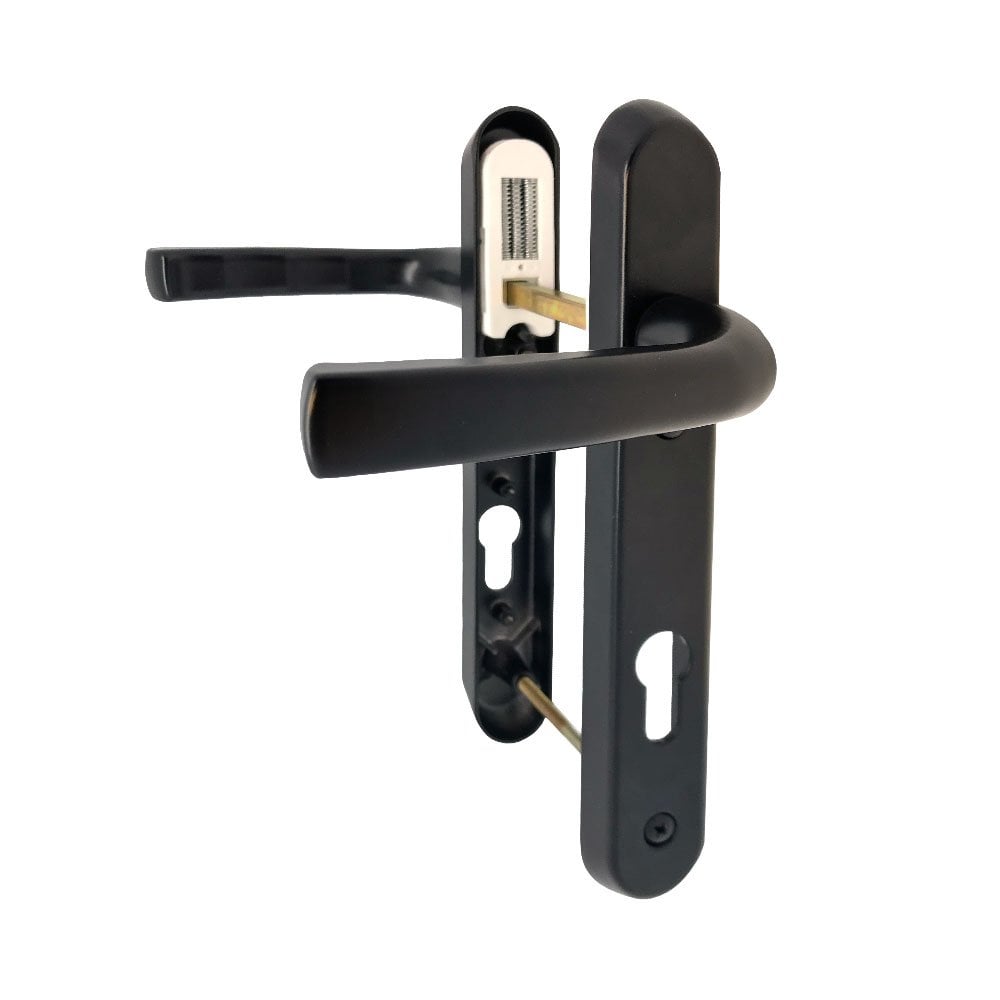
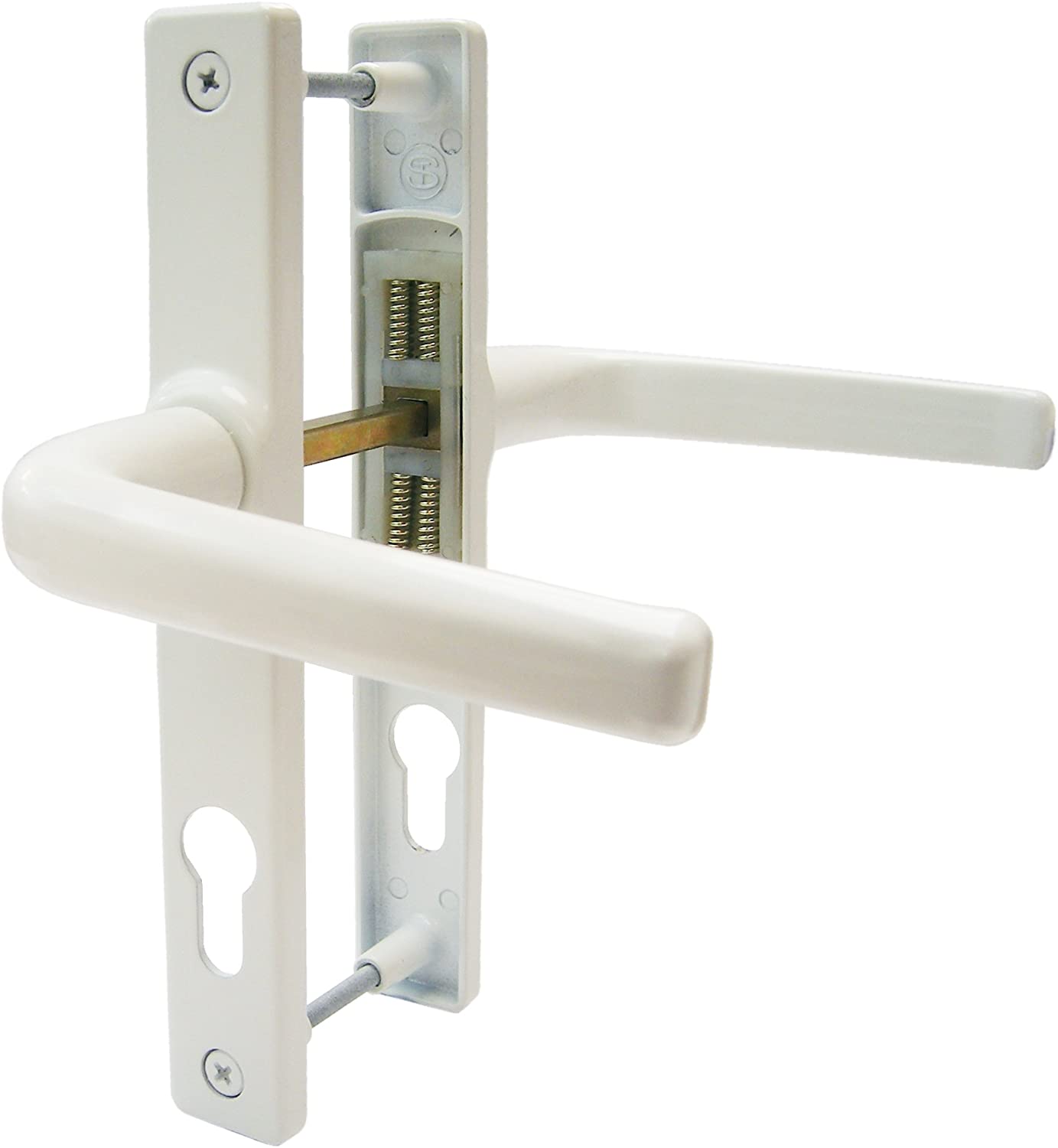
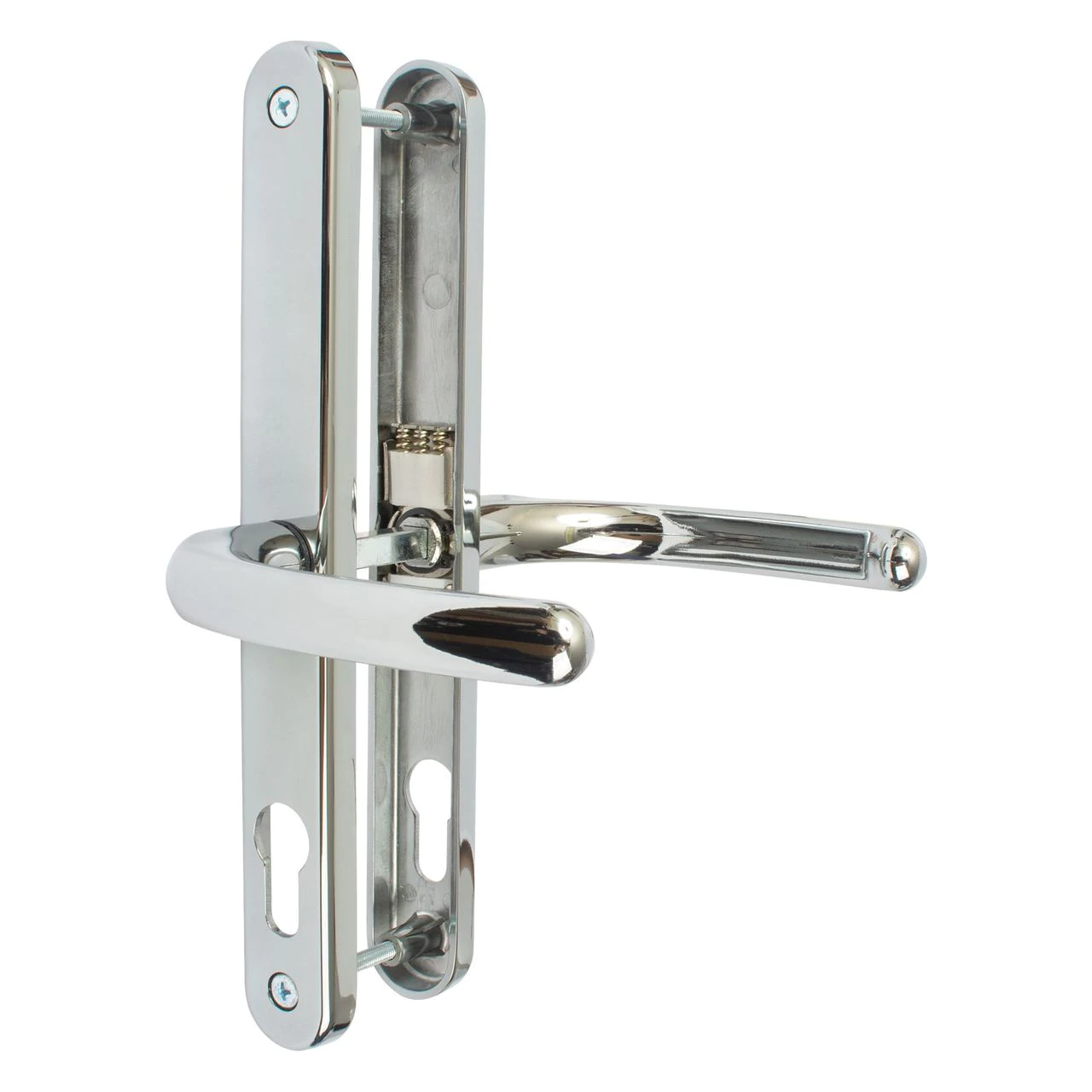
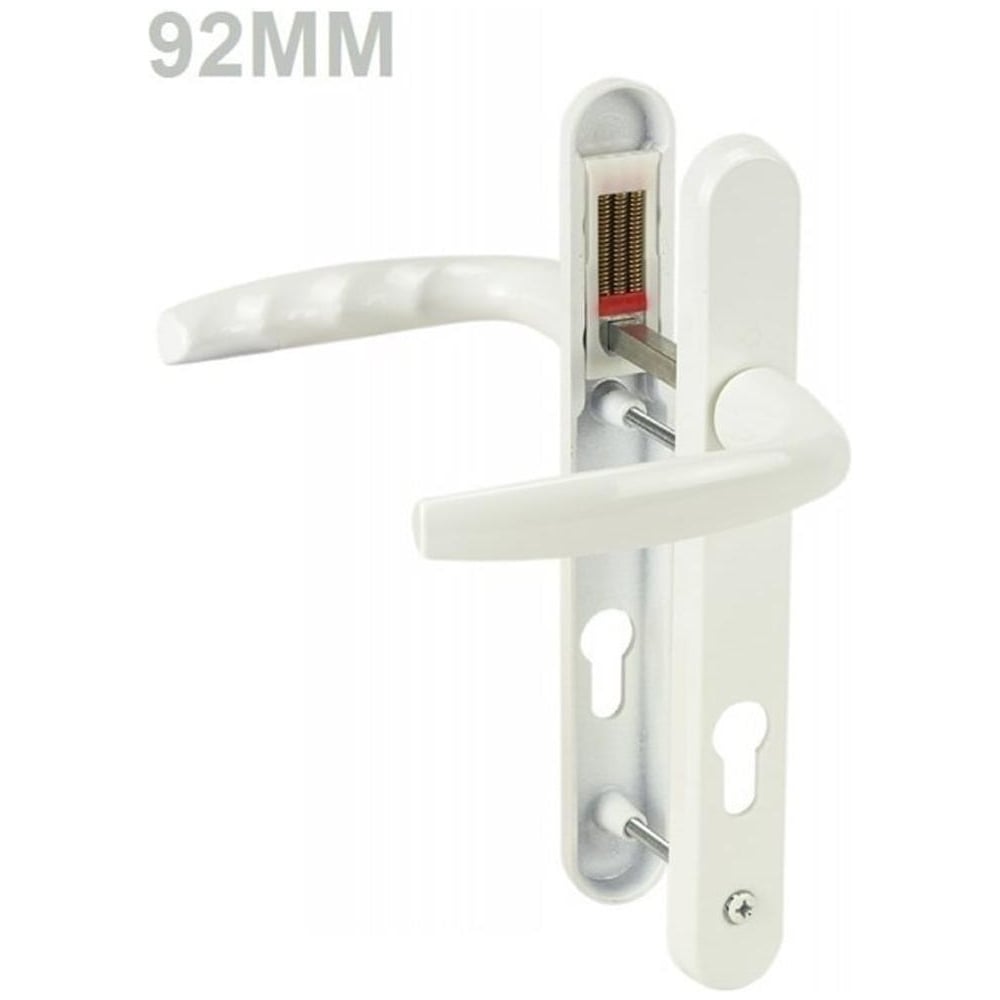
The fix: Replace the handle. A new uPVC door handle comes with a fresh spring mechanism inside. The swap takes about ten minutes — remove two screws, pull the old handle off, slide the new one on, and reinsert the screws.
This is the correct fix in the vast majority of cases. Attempting to repair or re-tension the existing spring is not practical — replacement handles are inexpensive and the job is faster than trying to disassemble the old one.
Cause 2: The Fixing Screws Are Loose
If the handle feels wobbly or moves side to side on the door (rather than just dropping), the fixing screws may have worked loose over time.
How to check: Grip the handle backplate and try to move it toward and away from the door surface. If there is play, the screws are loose.
The fix: Tighten the two fixing screws on the backplate. On Type A handles (bolt-through), use a screwdriver on the inside screw while holding the outside of the handle steady. On Type B handles (screw-fix), tighten the screws on the back of the door.
If the screws tighten but the handle still feels loose, the screw holes in the door may have worn out. Try using slightly longer screws, or pack the hole with a small wooden dowel and re-drill.
Cause 3: The Spindle Is Worn
The spindle is the square metal bar that passes through the door and connects the inside handle to the outside handle. Over time, the corners of the spindle can round off from repeated use, causing the handle to feel loose or fail to operate the lock properly.
How to check: Remove the handle and look at the spindle bar. If the square corners are visibly rounded or the spindle wobbles inside the handle, it needs replacing.
The fix: Replace the spindle. Most replacement handles come with a new spindle included. If you are keeping your existing handle but just need a new spindle, we stock replacement spindles and springs separately. Make sure the replacement spindle is the correct length for your door thickness.
Cause 4: The Gearbox Is Failing
This is the less obvious cause — and the one most people miss. The gearbox is the central locking mechanism inside the door edge. When the gearbox starts to fail, it creates resistance that the handle spring cannot overcome, causing the handle to drop or stick.
How to check: If you have replaced the handle and the new one still drops or feels stiff, the gearbox is likely the problem. Another sign is the locking points (hooks and rollers at the top and bottom of the door) not engaging when you lift the handle.
The fix: Replace the gearbox. This is a bigger job than replacing a handle but still manageable as a DIY project. You need to remove the door faceplate strip, slide out the old gearbox, and slide the new one in. Our guide on how to change over a uPVC multipoint door lock walks you through the process step by step. Browse our replacement multipoint door lock gearboxes to find the right one for your door.
How to Diagnose the Problem Quickly
If you are not sure which of the four causes is responsible, work through this quick checklist:
Handle drops and does not spring back → the internal spring has failed. Replace the handle.
Handle wobbles on the door → the fixing screws are loose. Tighten or replace the screws.
Handle feels sloppy and does not operate the lock crisply → the spindle is worn. Replace the spindle.
New handle still drops or feels stiff → the gearbox is failing. Replace the gearbox.
In about 80% of cases, a new handle solves the problem entirely. The other three causes are less common but worth checking if a new handle does not fix it.

What to Measure Before Ordering a Replacement
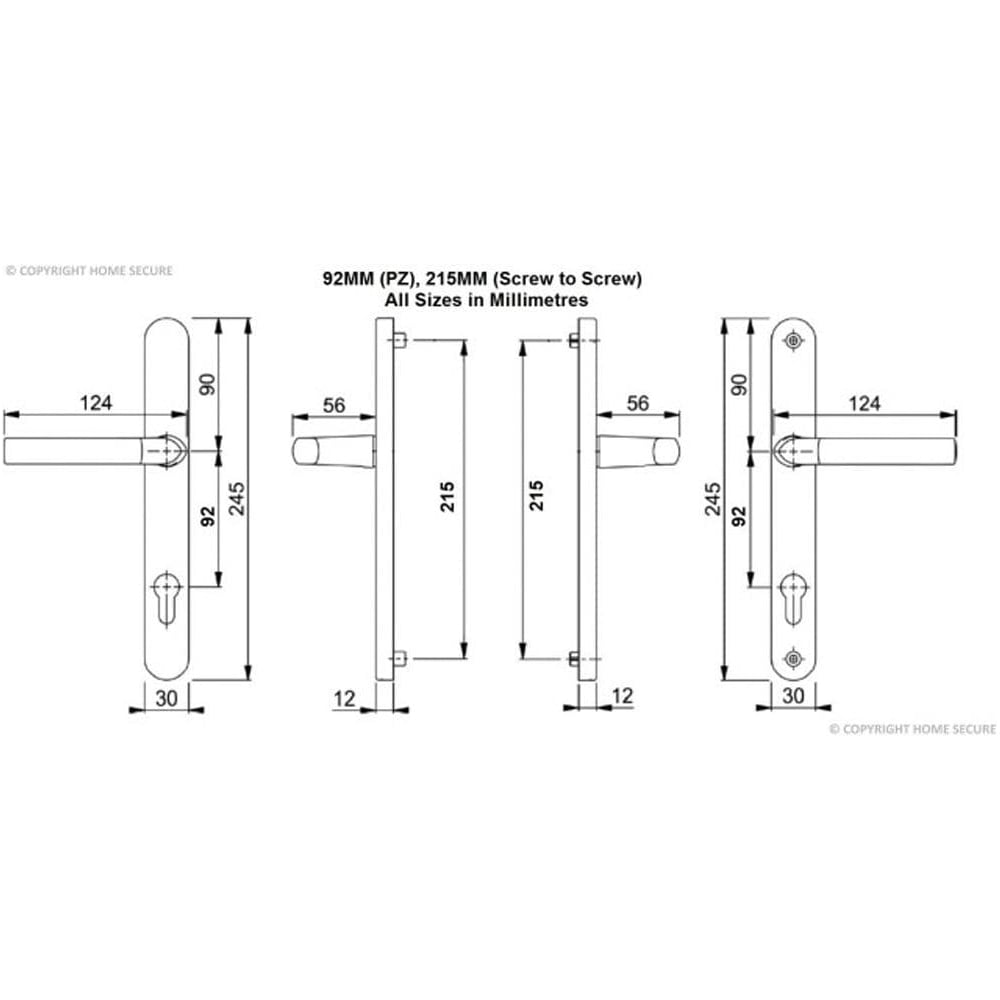
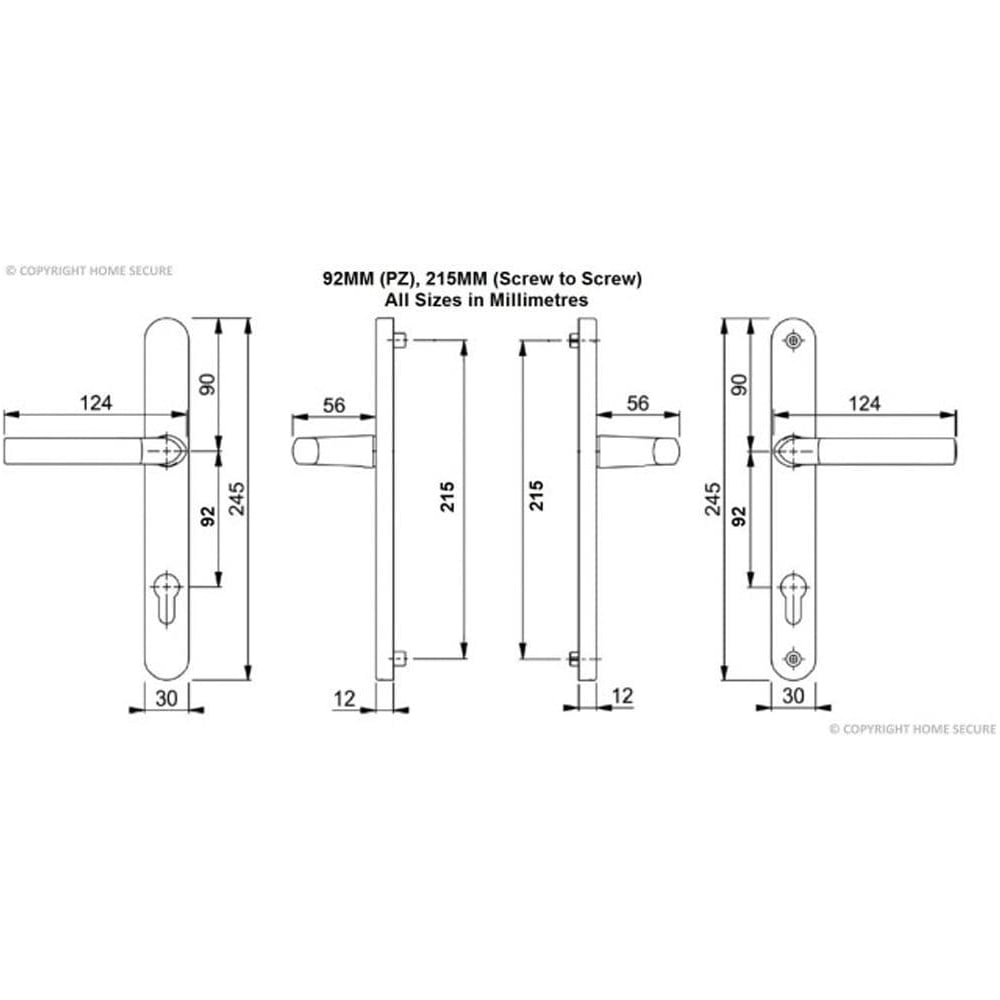
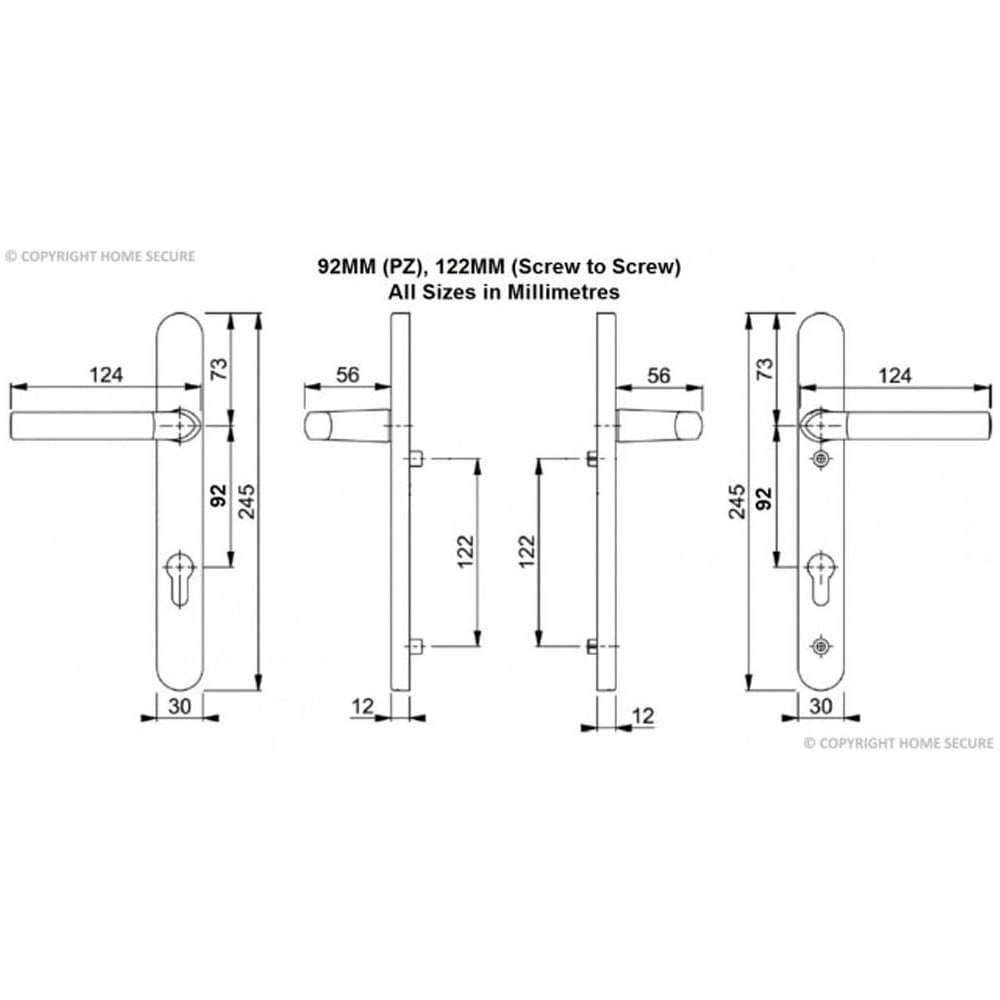
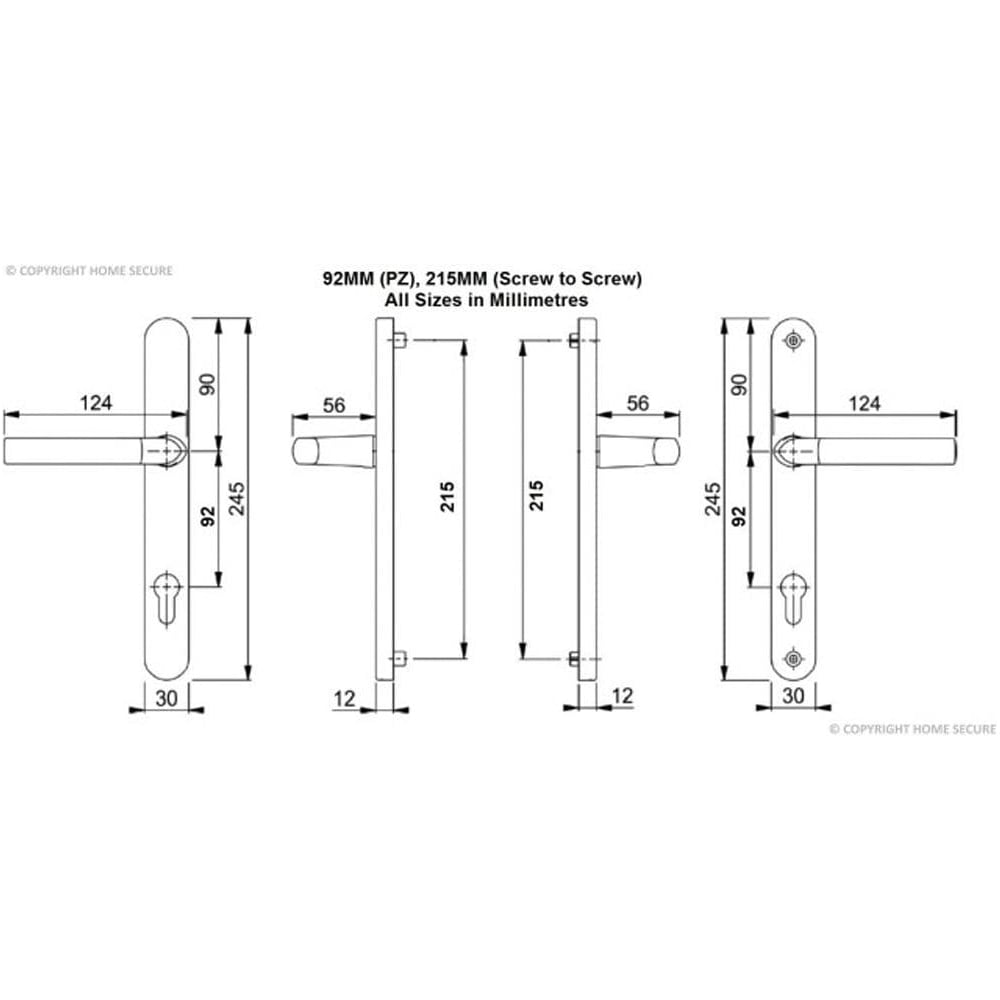
If you need a new handle, there are three measurements to check before ordering:
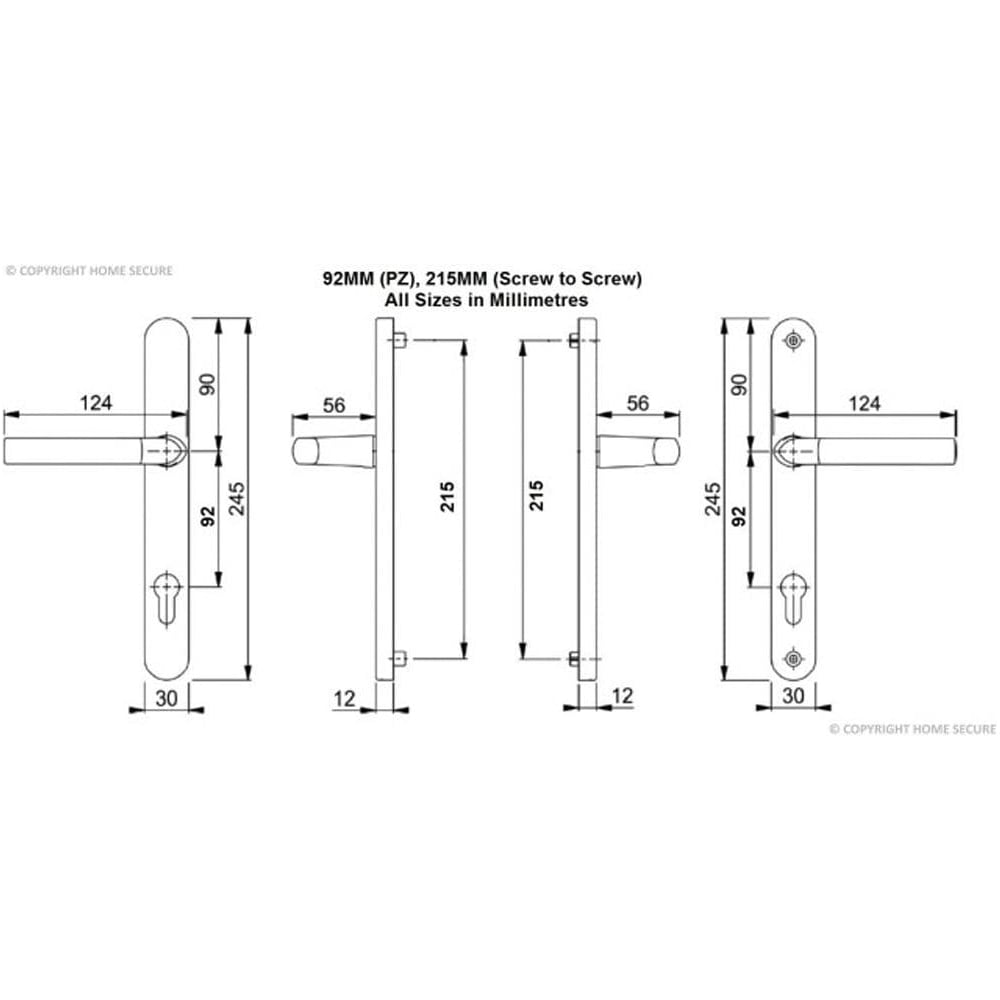
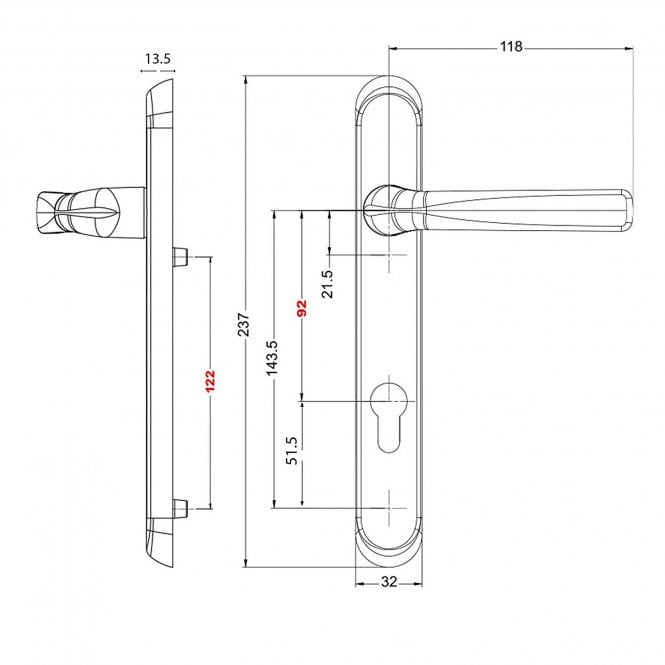
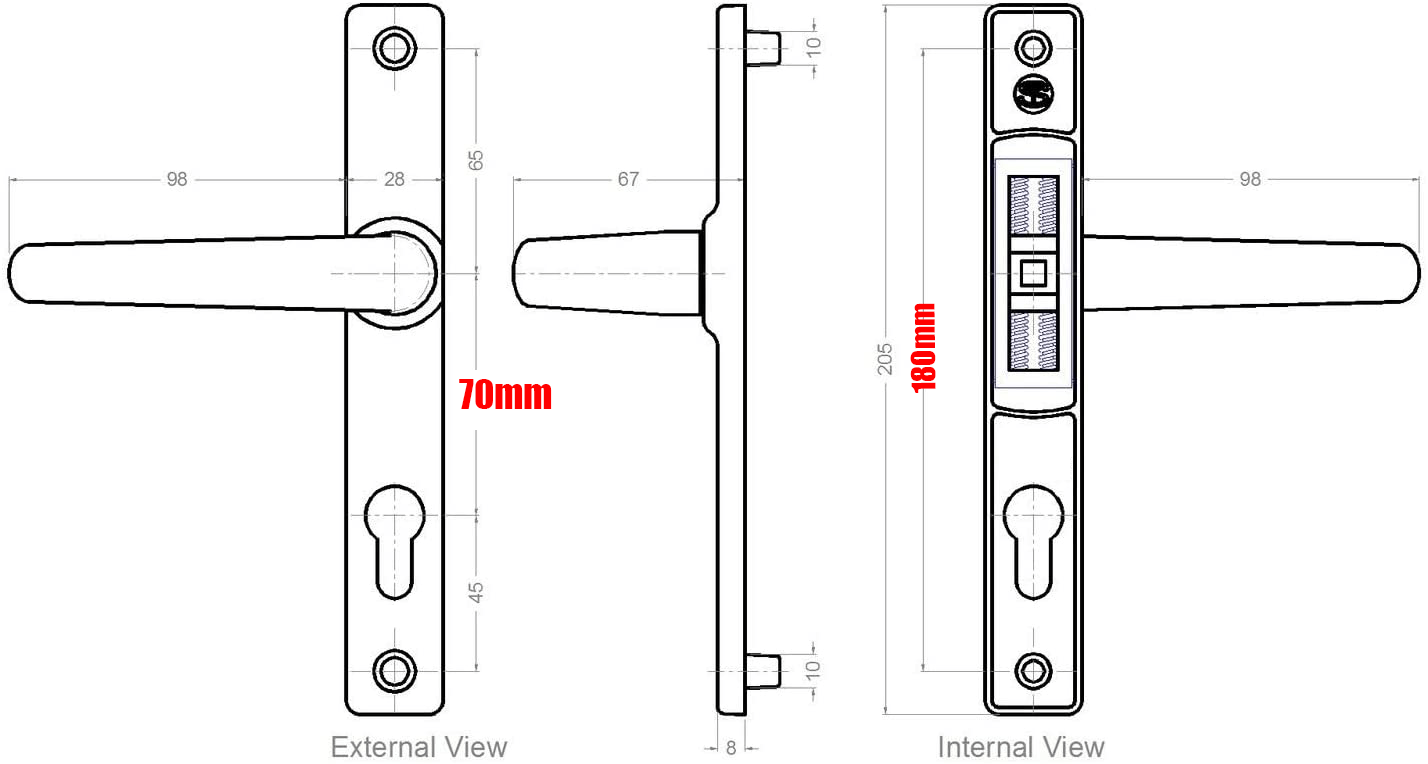
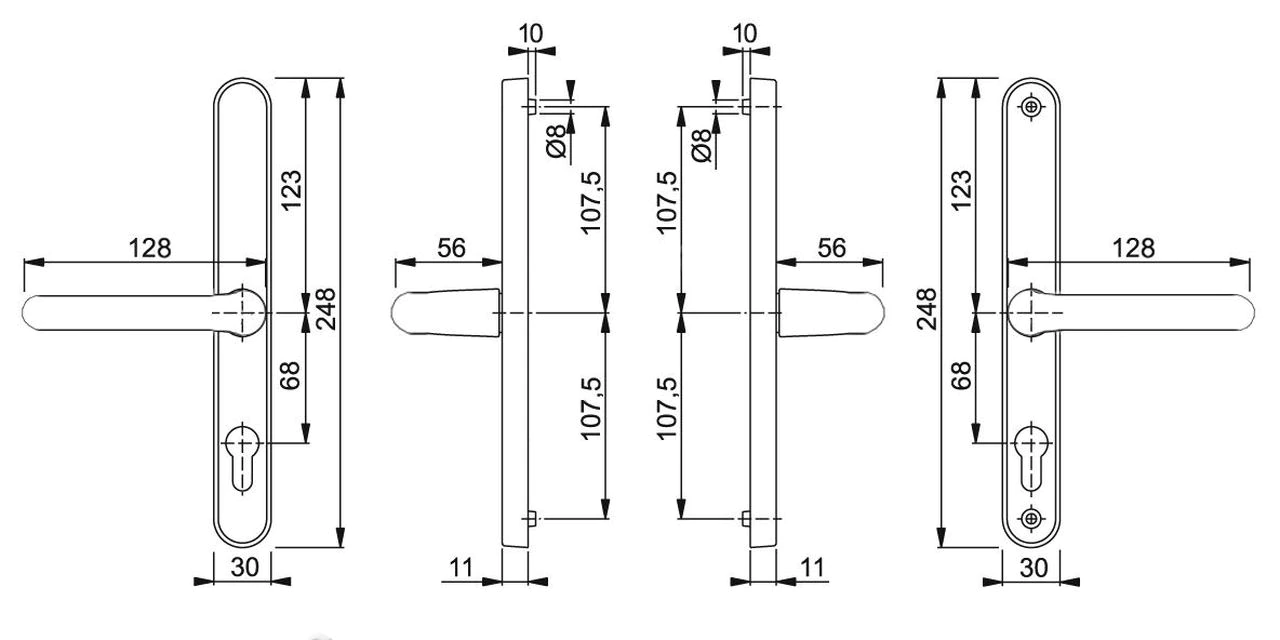
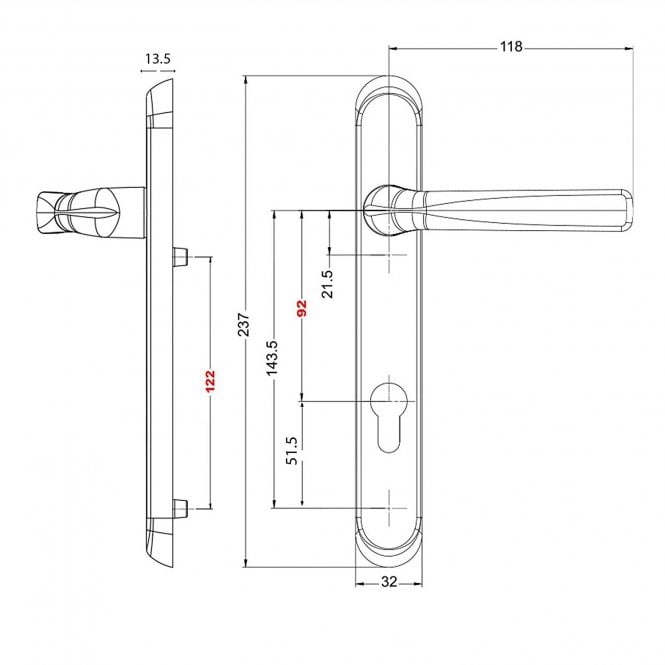
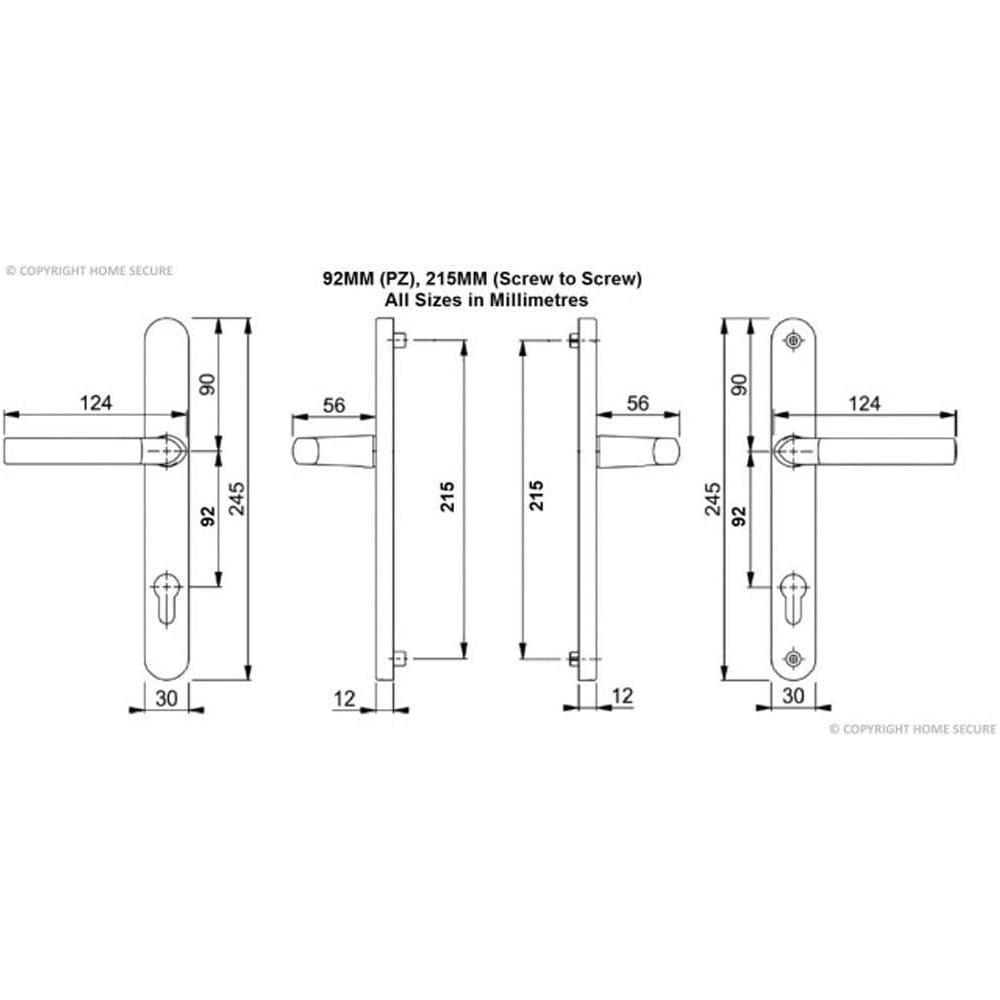
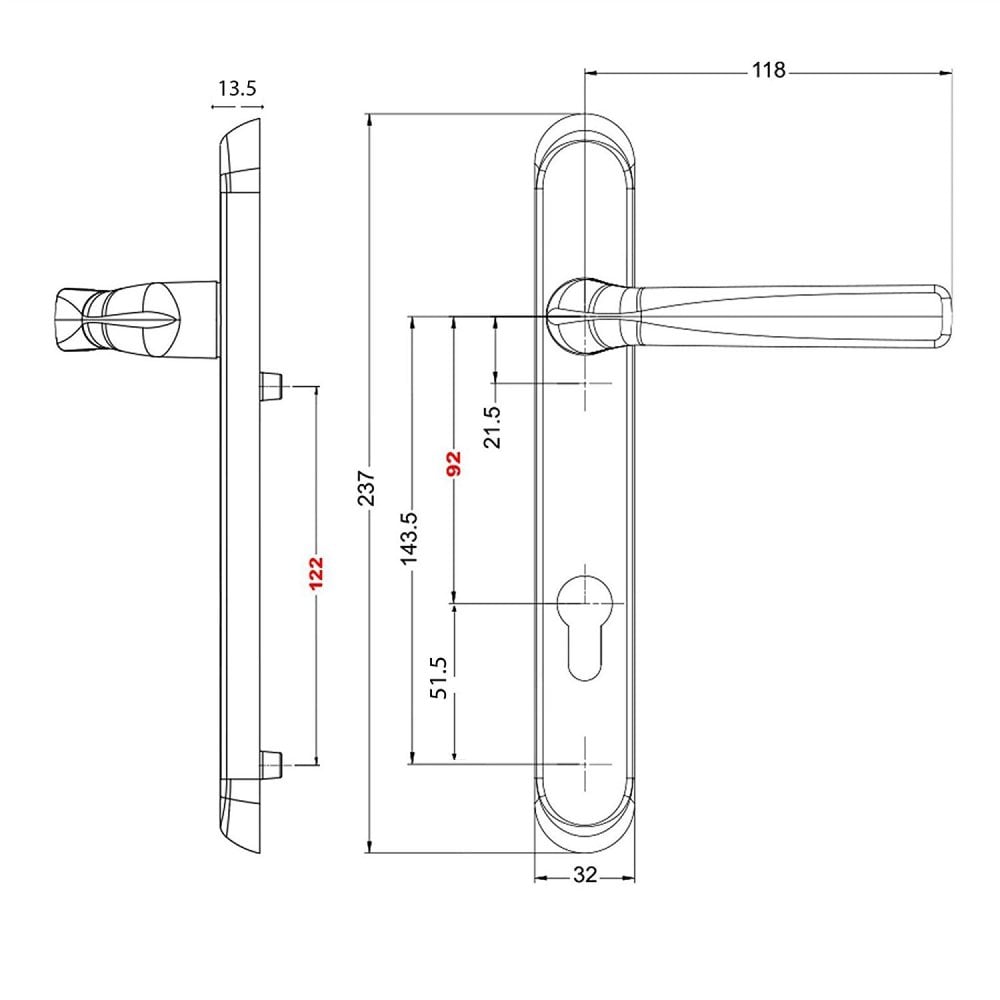
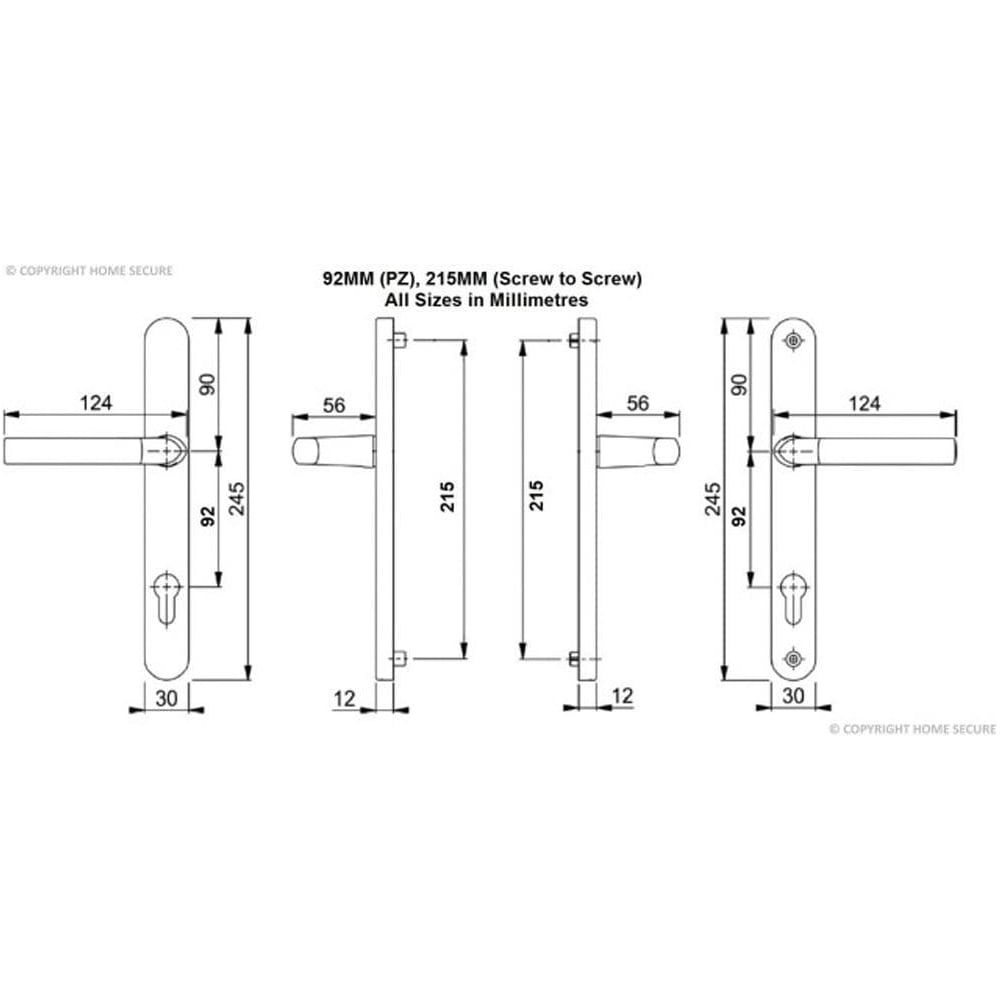
PZ measurement — the distance from the centre of the spindle hole to the centre of the keyhole. The most common size is 92mm.
Screw centres — the distance between the two fixing screw holes on the backplate. Common sizes are 122mm, 165mm, 190mm, 211mm, and 240mm.
Handle type — Type A (bolt-through fixing) or Type B (screw-fix from the back). Check the back of your door to see which you have.
For a full walkthrough with pictures, read our guide on how to identify and measure your uPVC door handles.
Do Not Ignore a Dropping Handle
A dropping handle is not just a cosmetic issue. When the handle does not return to horizontal, the multipoint lock cannot engage all of its locking points. This means your door may only be held shut by the latch — a single point of contact that offers minimal resistance to forced entry.
A fully functioning handle engages the deadbolt, hooks, and rollers at multiple points along the door frame. This is what makes a multipoint lock secure. A dropping handle undermines the entire system.
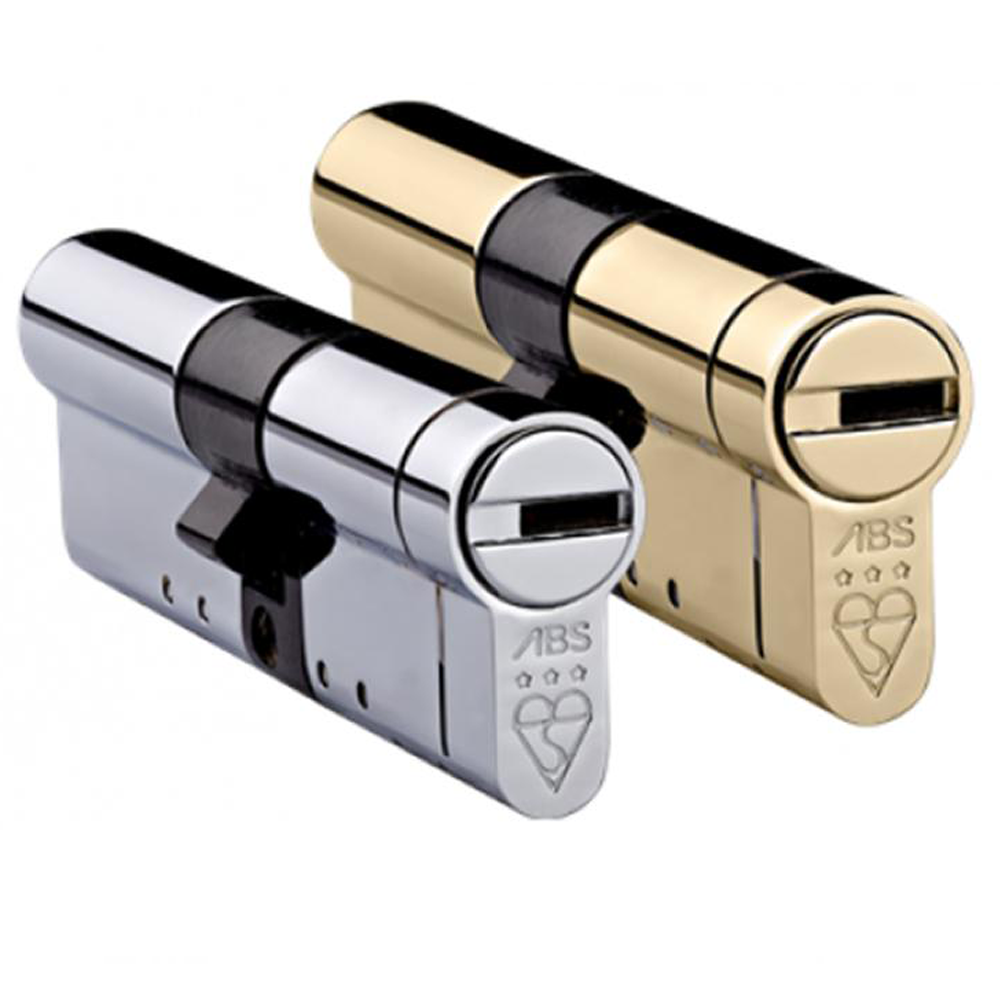
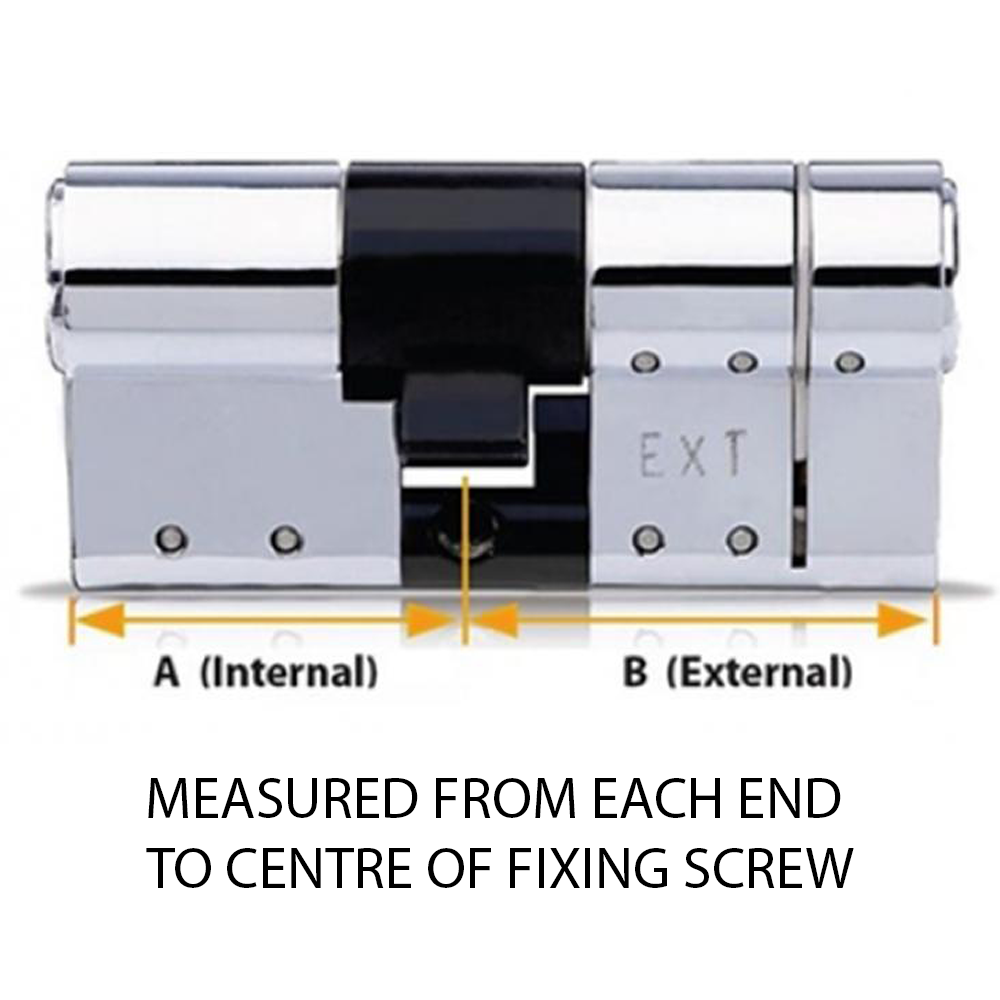
While you are fixing the handle, it is also worth checking your euro cylinder. If your cylinder does not have anti-snap protection, it can be broken in seconds regardless of how well the handle and gearbox are working. Browse our anti-snap euro cylinder locks for TS007 3-Star rated options that protect against the most common break-in method on uPVC doors.
Ready to Fix It?
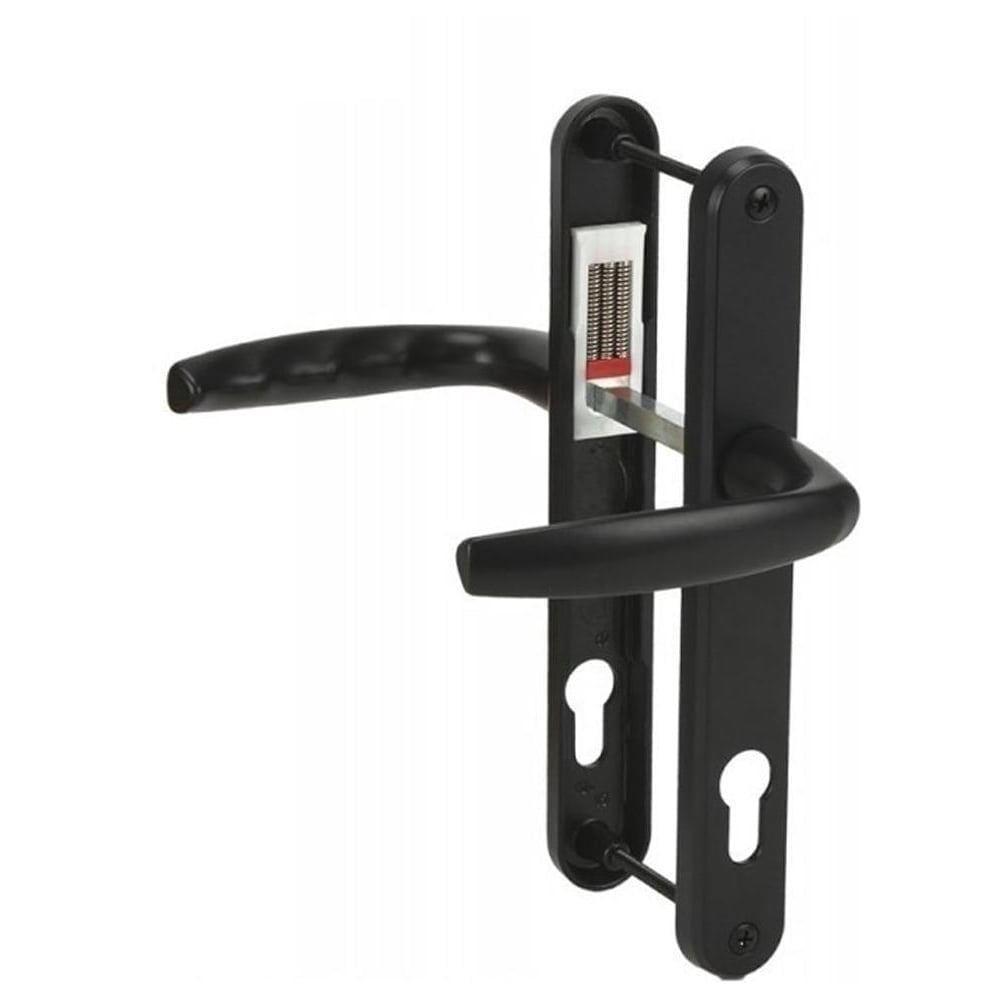
Browse our full range of uPVC door handles in lever-lever and lever-pad configurations, available in white, chrome, gold, and black finishes with all common PZ sizes in stock. Fast 2-day UK delivery on all orders.
If you are not sure which handle fits your door, start with our choosing guide or our measuring guide for step-by-step help.