Skip to content

5 Mistakes to Avoid With Self-Tapping Screws in uPVC (and the Fixes)

The short answer

The five mistakes that cause most loose handles, hinges and keeps on uPVC:

  1. Using wood screws instead of self-tapping uPVC screws
  2. Overtightening, which strips the thread the screw has just cut
  3. The wrong length: too short to reach the steel, or long enough to hit the glass
  4. No pilot hole when going into the steel reinforcement
  5. Putting the same screw back in a hole that's already stripped

Most of these cost nothing to avoid. The last one needs a repair screw.

A uPVC frame is a hollow plastic profile, usually with a steel reinforcing bar inside. A screw only holds well when it bites into that steel, or into enough plastic. Every mistake below comes down to the screw not getting a proper grip.
Screws and fixings for uPVC

Most jobs
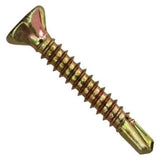
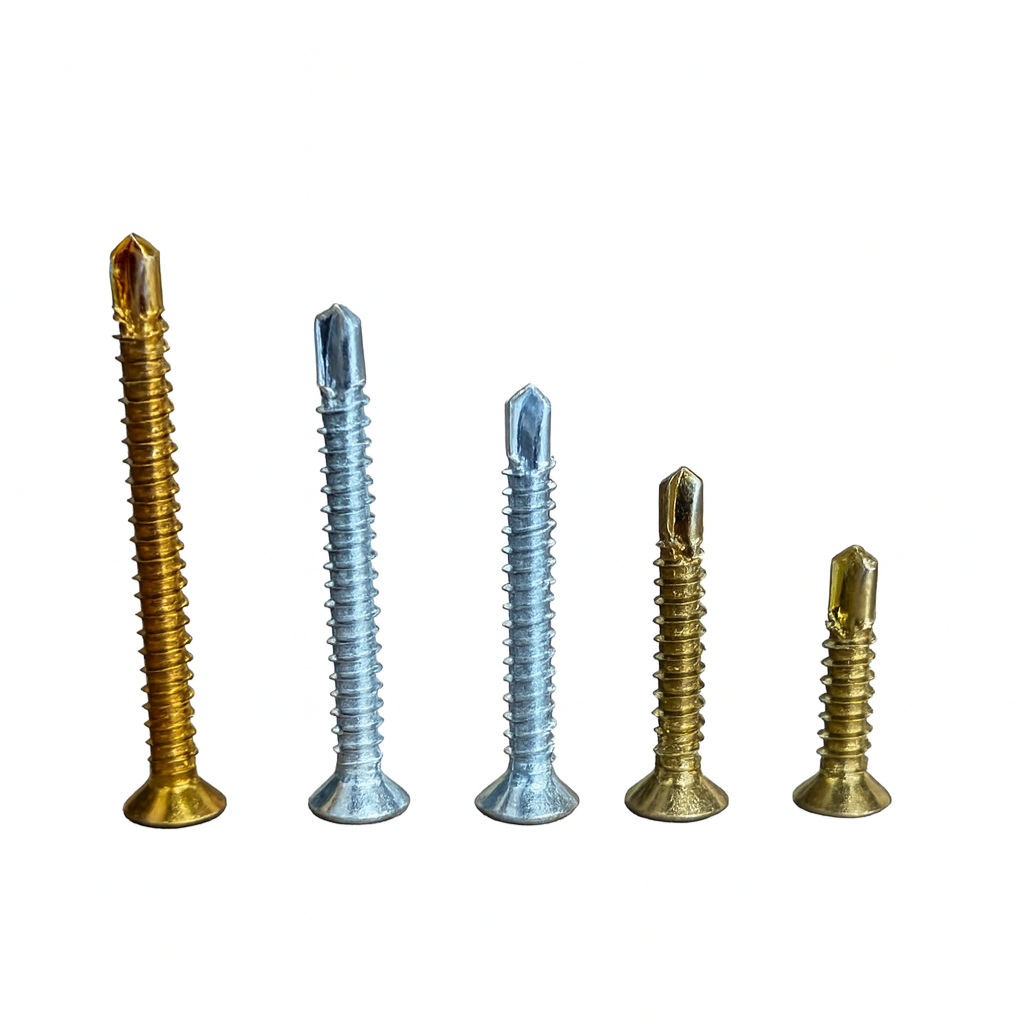
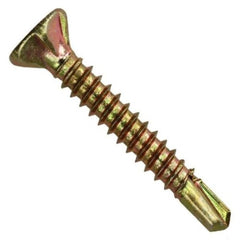
  • Cuts its own thread
  • 25, 32, 38 or 45mm
  • Zinc-plated, countersunk
Choose this if: you're fitting something new into sound uPVC.
Choose your length
Screw won't tighten?
uPVC Repair ScrewsFrom £2.99
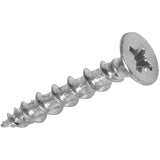
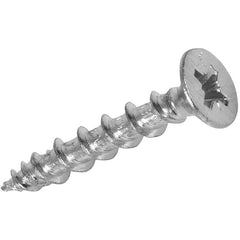
  • Thicker, deep-cut thread
  • Re-uses the same hole
  • Hardened steel core
Choose this if: an old screw spins in its hole.
View repair screws
Best-selling fixing
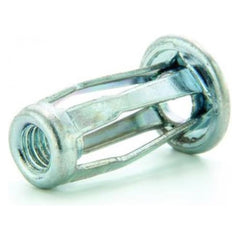
Jack Nut & Machine Screw 5.0 (1 reviews) £0.60
  • Opens out behind the wall
  • Gives a metal thread
  • Machine screw included
Choose this if: there's nothing behind the plastic to grip.
View jack nuts
Do it by hand
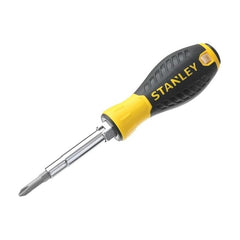
  • 6 bits in one driver
  • Double-ended bits stored in the handle
  • Finish by hand, no stripping
Choose this if: you want to avoid overtightening with a drill.
View the screwdriver

Not sure which screw you need?

Send a photo of the fitting and the hole to info@homesecureshop.co.uk, or bring the old screw to our Aintree counter and we'll match it.

  • 4.8 from 1,000+ reviews
  • Same-day dispatch, order by 2pm
  • Trade counter in Aintree, Liverpool
  • Lock experts on the phone

Compare uPVC fixings

FeatureSelf-Tapping uPVC ScrewsuPVC Repair ScrewsJack Nut & Machine ScrewSTANLEY 6-Way Screwdriver
Our verdictMost jobsScrew won't tighten?Best-selling fixingDo it by hand
Use it forNew fittingsWorn or stripped holesHollow sectionsScrewdriver
Customer ratingNewNew★ 5.0 (1)New
Length25, 32, 38, 45mm25mmOne size—
Comes asPacks of 25 or 1,000Packs of 25 or 1,000Sold individually6-in-1
Goes intouPVC, aluminium, steelThe existing holeThin, hollow wallsHardened steel bits
PriceFrom £2.99From £2.99£0.60£10.05
ShopViewViewViewView

Swipe the table sideways to compare.

Our counter tip

When a screw won't bite, don't keep winding it in. Stop, work out whether the hole's stripped or you've hit the steel, then reach for a repair screw or a pilot drill. Forcing it is how one loose screw turns into a cracked frame.

The Home Secure counter team, Aintree

1. Using wood screws

Wood screws have a coarse, tapered thread made to push wood fibres apart. In uPVC, that wedge shape can split the profile, and the coarse thread strips easily.

Do this instead: use self-tapping uPVC screws. They cut a clean, fine thread into the plastic and the steel behind it, with a countersunk head that sits flush.

Fitting something new?

Self-tapping uPVC screws in 25, 32, 38 and 45mm. Packs of 25 from £2.99. From £2.99.

Choose your length

2. Overtightening

A self-tapping screw cuts its own thread as it goes in. Keep turning once the head is tight and it strips that thread straight back out, leaving a screw that just spins.

Do this instead: stop as soon as the head is flush and the fitting is firm. On a drill driver, use a low clutch setting and a slow speed, or finish the last turn by hand.

3. The wrong length

Length matters both ways:

  • Too short and the screw only grips one thin wall of plastic. It'll feel fine at first, then work loose as the handle gets used.
  • Too long and, on a window, it can hit the glass unit or the seals, or come out the other side of the profile.

Do this instead: match the length of the screw you took out. If you're fitting something new, 25mm suits most handles, hinges and keeps. It's our most popular length, about half of the self-tapping screws we sell. Our self-tapping screws also come in 32, 38 and 45mm.

4. No pilot hole into steel

Into plastic alone, a self-tapping screw doesn't usually need a pilot hole. But when it hits the steel reinforcement, it has to cut through metal. Force it and the screw can snap, the head can strip, or it wanders off line.

Do this instead: if you feel the screw hit something hard, back it out and drill a small pilot hole through the steel first. A pilot hole also helps near the edge of a profile, where the plastic is more likely to crack.

5. Putting the same screw back in a stripped hole

If a screw spins without tightening, the hole has worn too big for it. Putting the same screw back, or another one the same size, just spins again.

Do this instead: fit a repair screw in the same hole. It's thicker, with a deeper thread that bites into fresh material. If even that won't hold, use a jack nut, which opens out behind the wall and gives you a metal thread, or move the fitting a few millimetres to fresh uPVC.

Screw spinning in its hole?

A repair screw bites into fresh material in the same hole. Packs of 25 from £2.99. From £2.99.

View repair screws

Two more to watch

  • The wrong bit. Many uPVC screws are pozi, not Phillips. A Phillips bit in a pozi screw slips out under pressure and chews up the head. Check the bit matches, and swap worn bits.
  • Screwing at an angle. An angled screw grips less of the profile and can crack it. Keep the driver straight, and let the fitting's holes guide you.

Which screw for which job?

The job Use
New handle, hinge or keep in sound uPVC Self-tapping screw, usually 25mm
Screw spins and won't tighten Repair screw, in the same hole
Thin hollow section, nothing to grip Jack nut and machine screw

Our guide to screws for uPVC windows and doors explains each type in more detail, and why screws come loose in the first place.

Need help?

Send a photo of the fitting and the hole to info@homesecureshop.co.uk, or call us on 0151 521 8089. You can also bring the old screw into our Aintree trade counter and we'll match it.

FAQ

uPVC is hollow, so a screw that only grips one thin plastic wall works loose as the handle or hinge is used. The usual causes are a screw that's too short, overtightening that strips the thread, or the wrong type of screw. A repair screw in the same hole usually fixes it.

Just tight enough for the head to sit flush and the fitting to feel firm. Any more and the screw strips the thread it has just cut. Use a low clutch setting on a drill driver, or finish the last turn by hand.

Match the screw you took out. For new fittings, 25mm suits most handles, hinges and keeps, and it's our most popular length. On windows, avoid going longer than you need, as a long screw can hit the glass unit or seals.

Match the bit to the screw head. Many uPVC screws are pozi, and a Phillips bit in a pozi screw slips out under pressure and damages the head. Pozi heads have small extra lines between the main cross.

Not usually into uPVC alone. If the screw is going into the steel reinforcement inside the frame, a small pilot hole makes it much easier and stops the screw snapping.