


uPVC Repair Guides: Screws, Fixings & Lock Care
The right screw for every uPVC job, how to fix a stripped screw hole, the mistakes to avoid with self-tapping screws, and how to keep locks turning smoothly with graphite powder. From the Home Secure team at our Liverpool trade counter.
Most-read Fixings & Repairs guides
All Fixings & Repairs guides
Parts from these guides
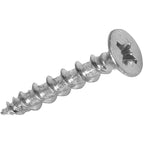 Repair Screws | Home Secure™ uPVC Repair Screws for Doors & Windows£2.99+
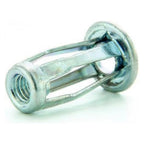 Jack Nut Screw Anchor With Machine Screw£0.60
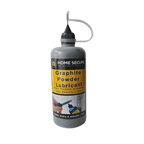 Home Secure™ Graphite Powder Lubricant for High Security Cylinder Locks£4.99
Quick answers
What screws should I use in uPVC?
Use a self-tapping uPVC screw in sound uPVC (25mm suits most handles, hinges and keeps), a thicker repair screw in a worn or stripped hole, and a jack nut where there's nothing to grip. Don't use wood screws: they split and strip uPVC.
Read the guide: Screws for uPVC Windows & Doors: Self-Tapping, Repair or Jack Nut?
Is graphite powder good for locks?
Yes. Graphite powder is a dry lubricant made for locks: a small puff into the keyhole coats the pins and springs so the key turns smoothly, and it doesn't attract dust or go sticky like oil.
Read the guide: Graphite Powder for Locks: What It Is and How to Use It
Why is my key hard to turn?
Turn the key with the door open. If it's easy, the door has moved and needs adjusting; if it's still stiff, puff a little graphite powder into the keyhole and work the key back and forth. Don't use WD-40 or oil, which collects dust and makes the lock stiffer over time.
Read the guide: Key Hard to Turn in Your Door Lock? Causes and How to Fix It