When it comes to uPVC (unplasticized polyvinyl chloride) installations—whether you’re fitting windows, doors, or cladding—every detail counts. While most attention goes to the frames and panels, the true strength of the installation often lies in what holds it all together: the screws. Among all fasteners, self-tapping screws stand out as the unsung heroes that ensure a secure, long-lasting fit.

Understanding Self-Tapping Screws
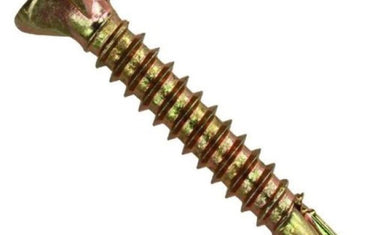
Self-tapping screws are designed with a unique feature — the ability to cut their own thread into the material they’re driven into. Unlike ordinary screws that require pre-drilled holes or inserts, self-tapping screws form a precise thread path as they go in, creating a tight and reliable grip. This makes them ideal for materials like uPVC, which demand precision and stability without cracking or splitting.
There are two main types of self-tapping screws:
-
Thread-forming screws, which displace material to form threads.
-
Thread-cutting screws, which remove material to create their path.
Both types offer exceptional grip strength and are commonly used in window frames, door installations, and facade fittings.

Why Self-Tapping Screws Are Vital for uPVC Installations
1. Perfect for Non-Metallic Materials
uPVC is a tough, yet relatively soft plastic material. Self-tapping screws for uPVC installations are designed specifically to penetrate such materials without the need for pre-drilling. This not only saves time but also reduces the risk of damage during installation.
2. Secure and Long-Lasting Grip
Because these screws cut precise threads into the uPVC itself, they create a custom-fit hold that resists loosening over time. This ensures that frames stay tight, even after years of expansion and contraction due to temperature changes.
3. Prevents Cracking and Warping
Ordinary screws can easily cause micro-cracks in uPVC if overtightened or misaligned. Self-tapping screws, however, are engineered to distribute pressure evenly, minimizing stress points that could compromise the integrity of the frame.
4. Quick and Efficient Installation
In large-scale construction or home improvement projects, time efficiency is crucial. Self-tapping screws eliminate the extra step of drilling pilot holes, making installation faster without sacrificing strength or precision.
5. Corrosion Resistance
High-quality self-tapping screws are often zinc-plated or stainless steel, which makes them ideal for uPVC installations exposed to moisture, such as window frames or outdoor cladding. This ensures your installation remains rust-free and visually clean for years.
Choosing the Right Self-Tapping Screw for uPVC
Selecting the right screw ensures both performance and longevity. Here’s what to consider:
-
Material: Stainless steel for corrosion resistance, zinc-coated for general use.
-
Head Type: Countersunk heads for flush finishes, pan heads for added surface support.
-
Thread Type: Fine threads for thin uPVC, coarse threads for thicker or reinforced sections.
-
Length: Sufficient to penetrate both the uPVC and the supporting frame beneath.
For professional-grade results, choose self-tapping screws made specifically for uPVC fittings that offer durability and ease of use.

In addition, for a broader technical perspective on correct screw selection and installation procedures, you can refer to this comprehensive guide on how to use self-tapping screws — fastenersystems.com. It covers different screw types, applications for plastics and metals, and tips to avoid common mistakes when fastening materials like uPVC.
Best Practices for Installation
To get the most from your self-tapping screws:
-
Use an electric driver with adjustable torque to prevent overtightening.
-
Ensure proper alignment before fastening to avoid angled insertion.
-
Choose screws designed for uPVC rather than general-purpose ones for optimal performance.
Conclusion
Self-tapping screws may seem like a small component, but they play a massive role in ensuring the strength, stability, and durability of uPVC installations. Their precision design, time-saving functionality, and strong grip make them indispensable for professionals and DIYers alike. Whether you’re fitting new uPVC windows or building a modern facade, investing in high-quality self-tapping screws for uPVC installations is a decision that guarantees long-term reliability.
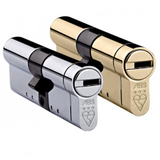
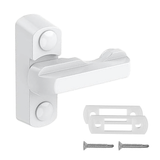
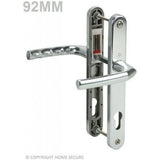
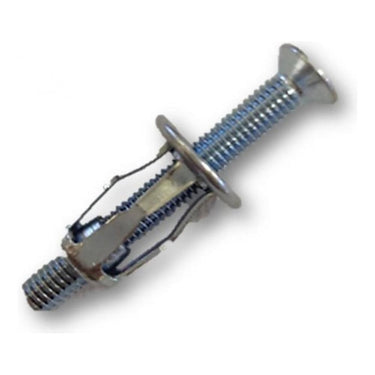
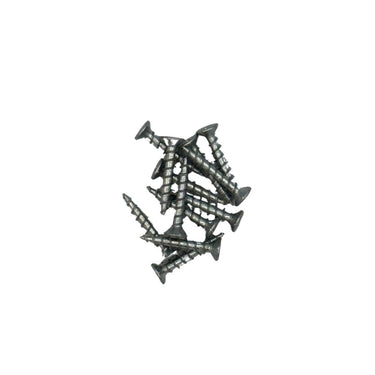
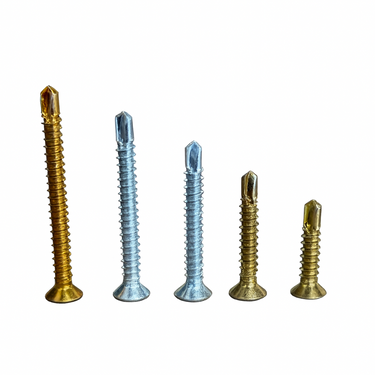
Check out the featured products from this article below 👇 Including Home Secure™ uPVC Repair Screws for Doors & Windows