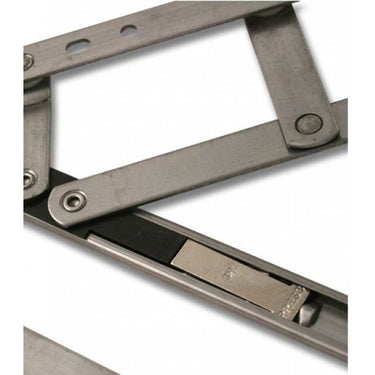
uPVC Window Hinges – Side Hung, Top Hung, Restricted & Egress
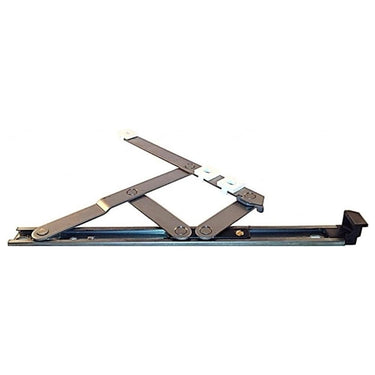
Replacement uPVC window hinges, also called friction stays. If a window has dropped, catches on the frame, won't stay open or feels loose, the hinges are usually worn.
Which window hinge do I need?
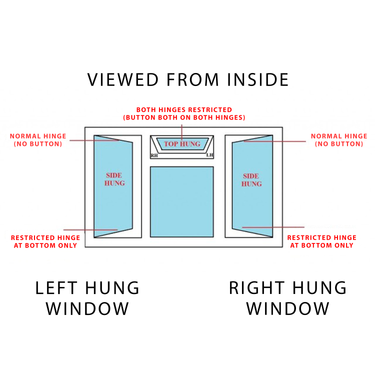
Side hung or top hung: side hung windows open like a door; top hung windows open outwards from the bottom.
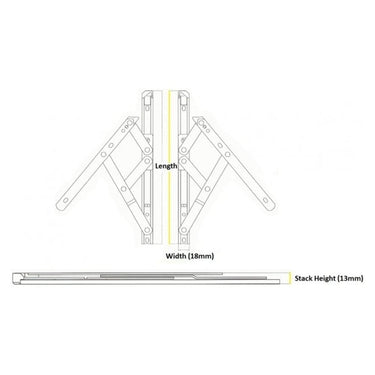
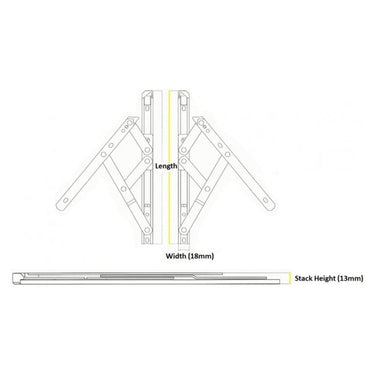
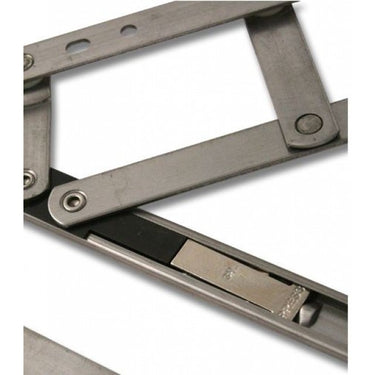
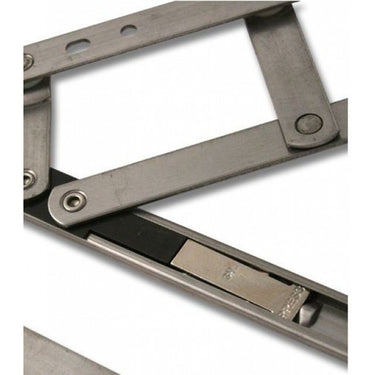
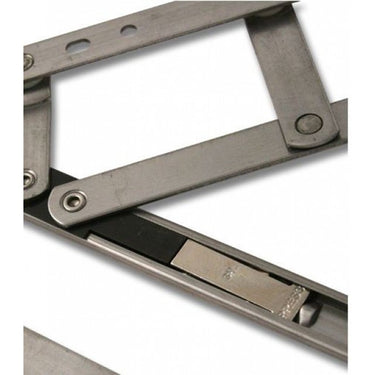
Friction stays are the sliding hinges along the top or side of a uPVC window that let it open, hold position and close — friction in the track holds the sash where you leave it. They're measured in inches along the track, typically 8 to 24 inches.
Open the window fully and measure the hinge track end to end in inches, then measure the stack height — the depth of the closed hinge, usually 13mm or 17mm. Match both, and note whether the hinge is top hung (opens outward from the bottom) or side hung.
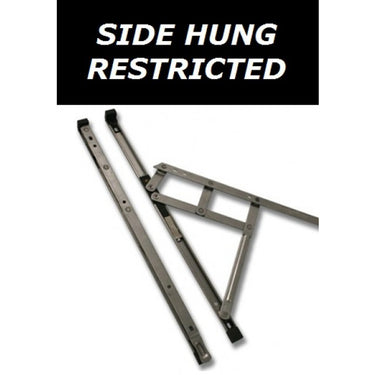
Top hung hinges sit along the top of the sash so the window opens outward at the bottom; side hung hinges sit on the side so it opens like a door. Side hung stays are handed and shaped differently, so always replace with the same orientation.
Egress hinges open the sash to nearly 90 degrees, creating a clear escape opening — required on certain first-floor and habitable-room windows under building regulations. Easy-clean egress versions also let the sash slide across for cleaning the outside from indoors.
Worn friction stays — the friction pads and rivets wear until the sash flops or drops at one corner, often whistling in wind too. Replace hinges in pairs so both sides carry the sash evenly; it's a 20-minute job per window with a screwdriver.