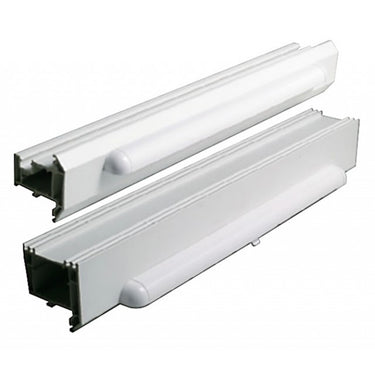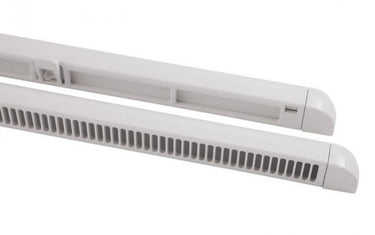
Good ventilation is essential for maintaining a healthy and comfortable indoor environment. Poor airflow can lead to condensation, damp, mould, and stale air, especially in modern, well-sealed homes. One of the most effective and affordable ways to improve airflow is by installing a window vent, also known as a trickle vent.
In this guide, you’ll learn how to install a window vent step by step and how it compares with mechanical ventilation systems, helping you choose the right solution for your home.
What Is a Window Vent?
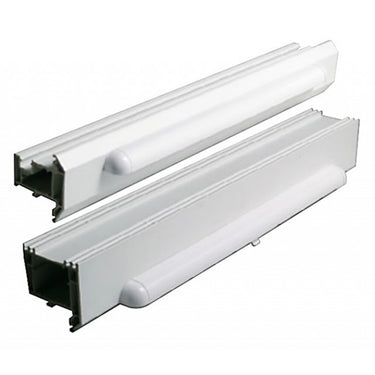
A window vent (trickle vent) is a small opening installed in a window frame that allows controlled background ventilation without opening the window fully. It helps fresh air circulate while maintaining security and insulation.
Benefits of Window Vents
-
Improves indoor air quality
-
Reduces condensation and moisture buildup
-
Helps prevent mould and mildew
-
Allows ventilation without opening windows
-
Low-cost and low-maintenance solution
🔗 Trickle Vents for uPVC & Timber

Window Vents vs Mechanical Ventilation: Which One Should You Use?
Choosing the right ventilation system depends on your home’s layout, insulation level, and moisture issues. HomeSecureShop explains this in detail in their dedicated guide:
👉 Trickle Air Vents for Windows: Window Ventilation Solutions Explained
Window Vents (Trickle Vents)
Pros
-
Affordable and easy to install
-
No electricity required
-
Ideal for background ventilation
-
Suitable for most homes
Cons
-
Airflow depends on outdoor conditions
-
Limited control compared to powered systems
-
Not ideal for severe damp problems

Mechanical Ventilation Systems
Mechanical ventilation uses powered fans to actively extract stale air and supply fresh air. Some systems include heat recovery (MVHR) for improved energy efficiency.
Pros
-
Consistent and controlled airflow
-
Excellent moisture and humidity control
-
Ideal for airtight or new-build homes
-
Improves overall indoor air quality
Cons
-
Higher installation cost
-
Requires electricity
-
More complex maintenance
Tools and Materials Needed to Install a Window Vent
Before starting, gather the following:
-
Window vent kit (suitable for uPVC, timber, or aluminium windows)
-
Measuring tape
-
Pencil or marker
-
Drill and drill bits
-
Screwdriver
-
Utility knife
-
Safety glasses and gloves
-
Weatherproof silicone sealant
Trickle Vents for uPVC & Timber

Step-by-Step: How to Install a Window Vent
Step 1: Choose the Right Vent
Select a vent designed for your window material and frame thickness. Optional features include insect mesh and noise-reducing baffles.
Step 2: Measure and Mark
Install the vent near the top of the window frame for optimal airflow. Measure carefully and mark the fitting area.
Step 3: Prepare the Frame
Drill pilot holes or cut the required slot as per the vent instructions. Work slowly to avoid damage.
Step 4: Install the Vent
Secure the vent using the supplied screws. Ensure it’s level and firmly fitted.
Step 5: Seal and Insulate
Apply weatherproof silicone around the edges to prevent draughts and water ingress.
Step 6: Test the Vent
Close the window and test airflow. Ensure smooth operation with no gaps or rattling.
Maintaining Your Window Vent
To keep your vent working efficiently:
-
Clean vents and insect screens regularly
-
Remove dust and debris
-
Inspect sealant annually and reapply if needed
Improve Airflow and Indoor Comfort
Installing a window vent is one of the easiest ways to improve airflow, reduce condensation, and enhance indoor air quality. While mechanical ventilation systems offer advanced control, window vents remain a reliable and affordable solution for everyday ventilation.
For a detailed comparison, read the full guide here:
🔗 Trickle Air Vents for Windows: Window Ventilation Solutions Explained
Ready to upgrade your home’s ventilation?
🔗 Trickle Vents for uPVC & Timber
Check out the featured products from this article below 👇