The short answer
With the door open, undo the long fixing screw on the edge of the door, in line with the keyhole. Put the key in and turn it slightly until the cam lines up with the cylinder, then slide the cylinder out. Fit the new one the same way in reverse, and test it with the door open before you close it. It takes about 10 minutes with a screwdriver, and the handles stay on.
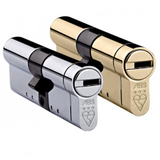
A euro cylinder is the part of a uPVC or composite door lock that the key goes into. It's held in by a single screw, and the locking mechanism inside the door stays where it is, so changing it is one of the easiest security upgrades you can do yourself. This guide covers taking the old cylinder out, fitting the new one, and what to do if it won't budge.
Haven't bought the new cylinder yet? Measure first with our euro cylinder measuring guide, so it arrives in the right size.
Before You Start
- Keep the door open the whole time. Once the cylinder is out, you can't open the door from the outside if it closes.
- Have the new cylinder ready. Check the size on the packet against your measurements: internal × external.
- You'll need a screwdriver that fits the fixing screw, the key for the old cylinder, and the keys for the new one.
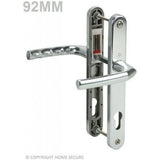
- You don't need to take the handles off. The cylinder slides out through them.
How to Remove a Euro Cylinder
- Find the fixing screw. Open the door and look at the metal faceplate on its edge. The long screw in line with the keyhole holds the cylinder in place.
- Take the screw out. Undo it all the way and put it somewhere safe. The cylinder can't come out while any of the screw is still in it.
- Line up the cam. Put the key in and turn it slightly, usually well under a quarter turn, until the cam (the small metal lever in the middle of the cylinder) lines up with the cylinder body and nothing sticks out.
- Slide the cylinder out. Holding the key in that position, pull gently on the key. The cylinder slides out towards you. Pushing from the other side can help.
How to Fit the New Cylinder
- Check which way round it goes. The internal side faces into your home and the external side faces outside. If your cylinder is a different length on each side (for example 40 × 50mm), it only fits one way. On a thumb turn cylinder, the knob goes on the inside.
- Line up the cam. Put the new key in (or hold the thumb turn) and turn it slightly until the cam sits flush with the cylinder body.
- Slide it in. Push the cylinder through the handles and the lock until the screw hole in the cylinder lines up with the screw hole in the edge of the door.
- Fit the fixing screw. Use the screw that comes with your new cylinder. Tighten it until it's snug. Don't overtighten it, or the key can become stiff.
- Test it with the door open. Turn the key from both sides (or the key and thumb turn), lift the handle and lock the door, then unlock it. Everything should move smoothly. Only then close the door and test it again from outside.
About the fixing screw: the screw that comes with a new cylinder is made long enough for almost every door. Very occasionally it needs cutting down, but that's rare, because most lock cases are a standard depth. If yours doesn't seem right, email us a photo before cutting anything.
Watch: changing a euro cylinder
Thumb Turn and Half Cylinders
- Thumb turn: there's a key on the outside and a turn knob on the inside. You can line up the cam with the knob instead of the key. Make sure the knob ends up on the inside.
- Half cylinder: this has a key on one side only, and is often used on garage and communal doors. It comes out and goes in the same way: the screw first, then a small turn of the key to line up the cam.
Cylinder Won't Come Out?
- The cam isn't quite lined up. This is the usual cause. Keep the key in, turn it a little either way, and pull gently at the same time until the cylinder starts to move.
- The screw isn't fully out. Check the hole on the edge of the door. Even a few threads still in place will hold the cylinder.
- A handle is pressing on it. If a handle has moved and is gripping the cylinder, loosen the handle screws on the inside a little, slide the cylinder out, then tighten them again.
- Don't force it. Don't hit the cylinder with a hammer. You can damage the lock inside the door, which costs far more than a cylinder.
- Key lost, broken, or won't turn at all? That's a job for a locksmith. Once the cylinder is out, you can fit the new one yourself.
Problems After Fitting
- The new cylinder won't go in. The cam is sticking out. Turn the key slightly until it sits flush, then try again.
- The key is stiff. Loosen the fixing screw a quarter turn. An overtightened screw can squeeze the cylinder.
- The key turns but the door won't lock. With the door open, lift the handle and turn the key. If it works open but not closed, the door has dropped out of line, so adjust the door before blaming the new cylinder. If it doesn't work even with the door open, the gearbox inside the door may be worn. See signs your uPVC door gearbox is failing.
- It sticks out past the handle. On the outside, the cylinder should sit flush with the handle or stick out no more than about 3mm. Any more and it's the wrong size. Our measuring guide explains how to check.
Which Cylinder Should I Fit?
If you're changing a cylinder anyway, fit a TS007 3-star anti-snap cylinder. It gives full anti-snap protection on its own, without a security handle. Read what TS007 3-star means.
- Our recommendation: Avocet ABS, in every size from 30 × 30mm to 60 × 60mm.
- Lower-cost 3-star option: Yale Platinum.
- Want a turn knob inside? Avocet ABS thumb turn.
- Changing more than one door? A keyed alike set gives you one key for every door, even with different sizes. Each cylinder is fitted the same way as above.
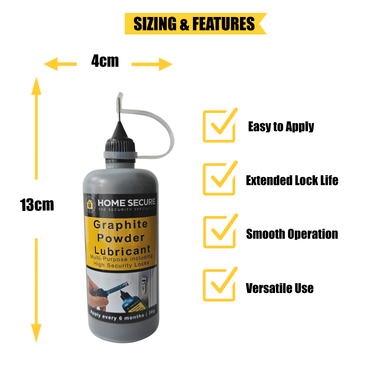
Key still a bit stiff after a few months? A puff of graphite powder keeps it turning smoothly. Don't use oil.
Need Help?
Email a photo of your cylinder and the edge of your door to info@homesecureshop.co.uk and we'll tell you what you need. You can also call us on 0151 521 8089, or bring your old cylinder to our trade counter in Aintree, Liverpool.